What Are the Main Causes of Osteoarthritis?
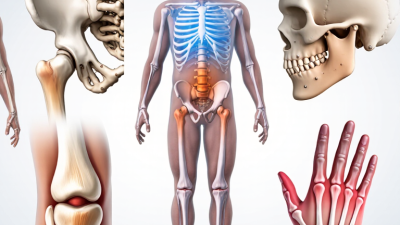
Osteoarthritis is often described as “wear and tear,” but that phrase misses much of the story. It is a joint disease involving changes to cartilage, bone, and surrounding tissues. The World Health Organization reported that 528 million people worldwide were living with osteoarthritis in 2019. About 73% were older than 55. These figures show the scale of the condition, but they do not explain why one person develops it while another does not.
Understanding osteoarthritis causes means looking at several factors together. Age can raise risk, but it is not the sole cause. Previous joint injuries, higher body weight, family history, and repeated physical stress may also contribute. For example, an old knee injury or years of heavy lifting can change how a joint handles everyday loads. The Centers for Disease Control and Prevention estimates that about 32.5 million U.S. adults have osteoarthritis, underscoring its public health impact. Still, prevalence figures are not proof that any single factor caused a person’s disease.
The details matter. Osteoarthritis can affect the hands, hips, or knees, and risks may differ by joint and individual. Some people have several risk factors and no major symptoms; others develop painful stiffness with no obvious trigger. That uncertainty deserves attention. This guide examines the main causes, explains what research can—and cannot—show, and separates established risk factors from common misconceptions. It is a clearer starting point, though not a substitute for an individual medical assessment.
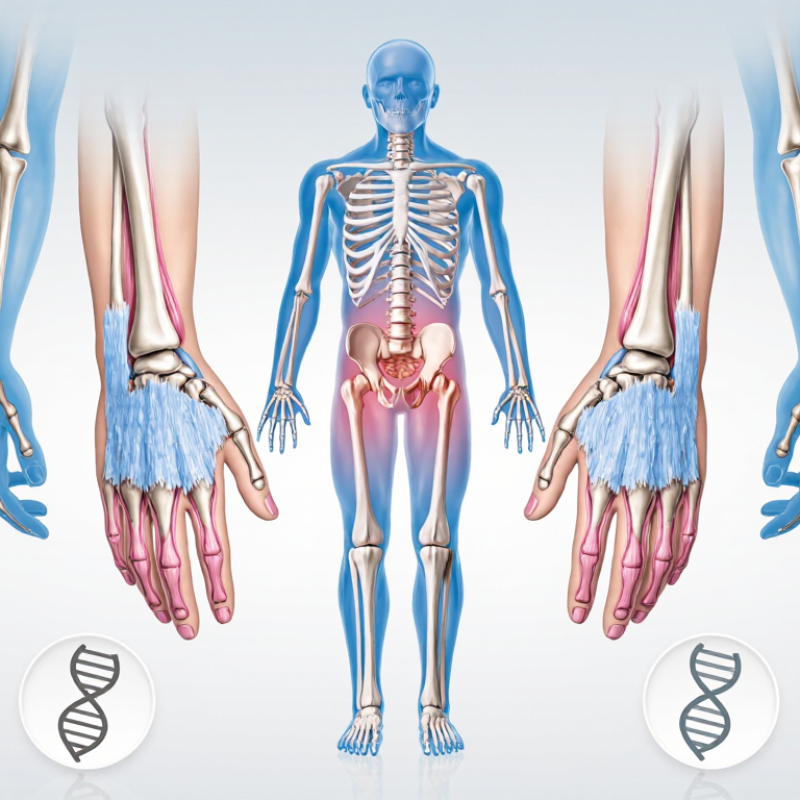
How Osteoarthritis Develops in the Joints
What Are the Main Causes of Osteoarthritis?
How Osteoarthritis Develops in the Joints
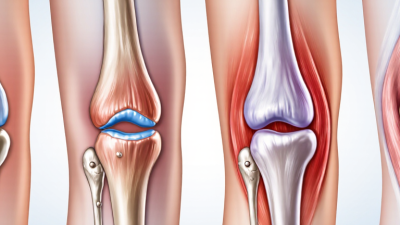
Osteoarthritis is more than cartilage “wearing out.” It develops when a joint’s tissues change and stop working together smoothly. In a healthy knee, cartilage cushions the ends of the bones, while joint fluid helps them glide. With osteoarthritis, cartilage can thin and roughen. The bone beneath may remodel, and the joint lining can become irritated. Movement may then feel stiff or painful, especially after rest.
Age, previous joint injuries, excess body weight, and inherited traits can raise risk. But no single factor explains every case. The World Health Organization’s 2023 osteoarthritis fact sheet estimates that 528 million people lived with the condition worldwide in 2019; 365 million had knee osteoarthritis. These figures show its scale, not the cause in any one person. One limitation: population estimates cannot predict an individual’s joint changes.
Tips: Notice when stiffness or pain occurs, such as after sitting or climbing stairs. Gentle, regular movement can help maintain strength and function. If symptoms persist or limit daily activities, seek advice from a qualified health professional. Don’t assume every ache means cartilage damage.
How Aging and Joint Changes Contribute
Osteoarthritis becomes more common with age, but aging alone does not make it inevitable. Over time, cartilage may lose some of its resilience, while its cells become less able to repair everyday microscopic damage. The smooth joint surface can grow uneven. Movement may then feel stiff, especially after sitting or during the first few steps downstairs.
Small changes add up.
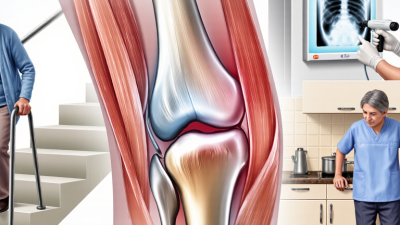
The joint is more than cartilage. The bone beneath it can thicken or develop small bony growths, and the joint lining may become irritated. Muscles that support the joint can weaken with inactivity or pain, shifting forces onto nearby areas. Earlier injuries, repeated heavy loading, body weight, and inherited traits can also influence risk; age is only one part of the picture.
Not every older adult develops painful arthritis, and X-ray changes do not always match symptoms. That mismatch matters.
A clinician considers symptoms, movement, and health history rather than age alone when assessing joint pain. Persistent swelling, pain, or difficulty with daily tasks deserves medical advice, since several conditions can cause similar symptoms.
How Injuries and Repeated Stress Can Damage Joints
What Are the Main Causes of Osteoarthritis?
How Injuries and Repeated Stress Can Damage Joints
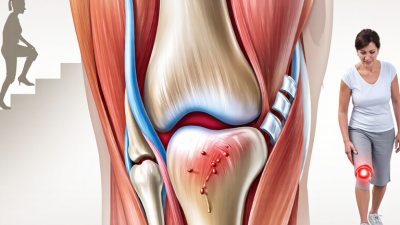
A joint injury can change how its surfaces meet and move. A torn meniscus, damaged ligament, or fracture near the knee may disturb its normal mechanics. Cartilage has limited ability to repair itself, so damage can leave the joint more vulnerable over time. Osteoarthritis may develop years after an injury, though it does not happen to everyone. The link is real, but the outcome is not certain.
Repeated stress can also wear down joint tissues. Think of a worker kneeling on hard floors, or a runner increasing distance too quickly. Small strains may accumulate when heavy loads return before the body has recovered. Not every ache means lasting damage. And movement itself is not the enemy. The pattern matters: force, frequency, recovery, and any earlier injury all play a part. The distinction is not always neat; people often notice joint changes only after everyday tasks, like climbing stairs, start to feel different.
How Genetics, Joint Shape, and Body Weight Affect Risk
Osteoarthritis is not simply “wear and tear.” The World Health Organization estimated that 528 million people lived with the condition in 2019; 365 million had knee osteoarthritis (WHO, 2023). Genes can influence cartilage, bone shape, and inflammation. A review by MacGregor and colleagues in Nature Reviews Rheumatology describes heritability estimates of roughly 40–65%, depending on the joint. Not destiny. Family history signals susceptibility, not certainty.
Joint shape can change where force lands. Hip dysplasia or femoroacetabular impingement may concentrate pressure on a small area of cartilage, much like a shoe rubbing one spot on the foot. NICE guidance lists structural joint problems among osteoarthritis risk factors. A person may have an unusual joint shape without developing painful arthritis; shape is only one part of the picture.
Body weight adds load, particularly at the knees. A 2015 systematic review in Arthritis Research & Therapy found that each 5-kilogram weight gain was associated with about a 36% higher risk of knee osteoarthritis. Association, not certainty. Weight management may help reduce knee stress, but it cannot erase inherited risk, past injury, or years of repetitive strain. Risk is rarely explained by one factor alone.
How Health Conditions and Lifestyle May Influence Osteoarthritis
Osteoarthritis is not simply the result of “wear and tear.” Age can make joint tissues less resilient, while inherited traits may affect cartilage, bone shape, or joint alignment. A previous fracture, ligament tear, or repeated joint injury can also raise the chance of later problems. The effects may appear years afterward.
Health conditions can add to the picture. Excess body weight increases pressure on weight-bearing joints, such as the knees, and may also contribute to inflammation. Diabetes and other metabolic conditions are associated with osteoarthritis, though the reasons are still being studied. Inflammatory joint diseases can damage joints and increase risk, too. It varies.
Daily habits matter, but they are not the whole story. Repeated kneeling, heavy lifting, or long hours of the same movement may stress certain joints. On the other hand, regular, low-impact activity helps maintain strength and movement; walking on level ground or cycling may feel manageable for some people. Too much activity, especially after an injury, can aggravate pain. Rest alone may weaken supporting muscles. Small adjustments can help, but they do not guarantee prevention. Persistent swelling, stiffness, or pain deserves a clinician’s assessment, since different joint conditions can feel similar.
Related Posts
DISCOVER THE POTENTIAL OF INNOVATIVE PROSTHETICS
From minor to severe injuries, our team develops advanced devices designed to support recovery and promote overall wellness.