
2026 Top Osteoarthritis Relief Products for Global Buyers
Osteoarthritis is no longer a niche concern for aging populations. The World Health Organization reports that 528 million people lived with osteoarthritis globally in 2019. Nearly 73% were older than 55, and women represented about 60% of cases. These figures show why buyers need dependable, evidence-informed product choices in 2026.
This guide examines practical options for relief from osteoarthritis across international markets. It considers topical NSAID gels, heat and cold products, braces, orthotic supports, mobility aids, and exercise-focused tools. The Lancet Rheumatology’s Global Burden of Disease research also indicates that osteoarthritis cases are increasing as populations age and obesity rates change. That trend makes product quality, usability, and supply reliability increasingly important.
Clinical guidance must remain central. NICE guideline NG226 recommends therapeutic exercise, weight management when appropriate, and topical NSAIDs for some people with knee osteoarthritis. However, a popular product is not automatically a suitable product. Packaging may look convincing, while sizing, ingredient labeling, or clinical evidence remains weak. Buyers should review regulatory documentation, material safety, instructions, and adverse-effect warnings for each market. User experience matters too. A knee brace that slips during a warehouse shift has limited real-world value. A warming patch that irritates sensitive skin creates another problem.
This overview is not a substitute for professional medical advice. Product performance varies between individuals. That limitation deserves honest attention. Global buyers should compare evidence, compliance, durability, and after-sales support before selecting 2026’s leading osteoarthritis relief products.
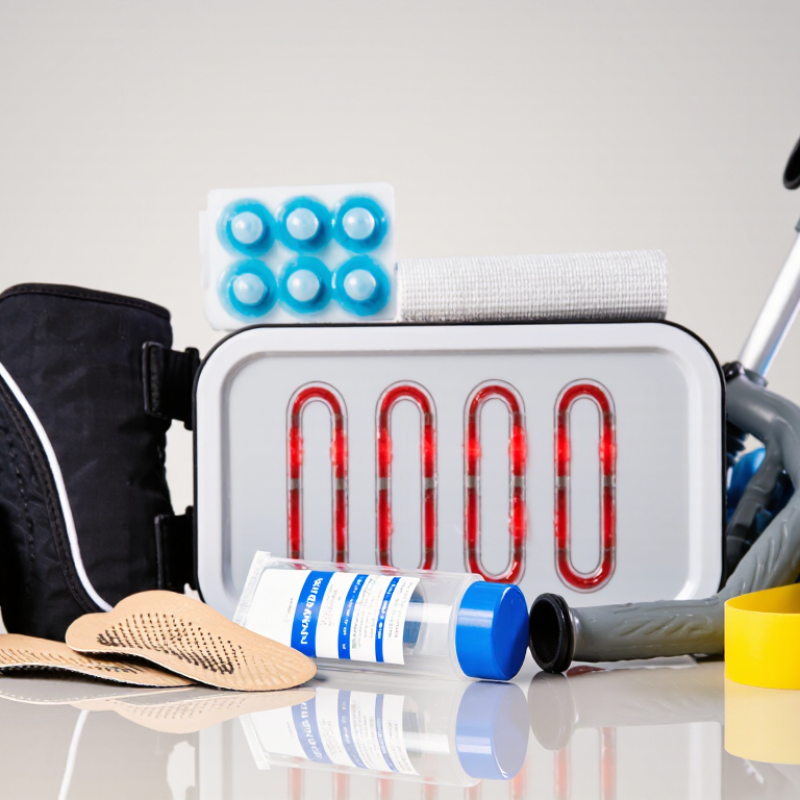
WHO’s 528 Million OA Cases: Defining Global Product Demand
2026 Top Osteoarthritis Relief Products for Global Buyers
WHO reports that 528 million people lived with osteoarthritis worldwide in 2019. This figure shows why demand for reliable relief products will remain substantial in 2026. Aging populations, longer working lives, and improved diagnosis are expanding the market. Buyers are seeking supportive braces, mobility aids, hot and cold therapy products, and topical relief options. However, product demand differs by region. A lightweight knee support may suit urban users, while durable walking aids may matter more in areas with limited clinical access.
Evidence should guide purchasing decisions. Products must offer clear instructions, suitable materials, and realistic claims. Buyers should also check testing records, manufacturing controls, and local medical-device requirements. Comfort matters during daily use. Poor sizing can cause skin pressure and reduce adherence. No product fits everyone. That assumption deserves more attention. Healthcare professionals can help match products with symptoms, mobility levels, and existing conditions. Relief products should support care, not replace medical assessment.
Tips: Compare sizing charts carefully. Request material and safety documentation. Review return policies for fit-related problems. Choose packaging that protects products during humid or long-distance shipping. Avoid claims promising a cure. A practical product with modest, verifiable benefits may earn more trust than an impressive advertisement. Suppliers should monitor user feedback after launch, because early demand data can be incomplete or misleading.
OA Relief Categories: Topicals, Oral Drugs, Braces, Devices, and Supplements
2026 Top Osteoarthritis Relief Products for Global Buyers
Osteoarthritis affects about 528 million people worldwide, according to the World Health Organization’s 2023 report. For global buyers, relief categories need careful separation. Topical non-steroidal anti-inflammatory products can target painful knees or hands with limited whole-body exposure. Oral anti-inflammatory drugs may provide stronger relief, but stomach, kidney, heart, and blood-pressure risks require professional review. Dosage labels are not interchangeable across countries.
Braces can support an unstable knee during walking, stairs, or long work shifts. Fit matters more than appearance. Poor sizing may increase discomfort. Electrical stimulation, heat, and other home devices offer practical options, although outcomes vary by condition and device quality. The American College of Rheumatology guideline supports exercise and weight management strongly, while device recommendations remain more conditional. Evidence is uneven.
Supplements attract attention, but enthusiasm exceeds certainty. The same guideline conditionally recommends against glucosamine and chondroitin for knee and hip osteoarthritis. That is not a universal verdict for every ingredient or patient. It is a warning about inconsistent trial results. Buyers should check active ingredients, contamination controls, dosage clarity, and local registration rules. WHO data also shows higher osteoarthritis prevalence among women and older adults, so packaging should use readable instructions and realistic claims. Some “natural” products still interact with medicines. A careful procurement team should review clinical evidence, adverse-event reporting, and post-market quality data before listing products.
2026 Top Osteoarthritis Relief Products for Global Buyers
OA Relief Categories: Topicals, Oral Drugs, Braces, Devices, and Supplements
The chart summarizes the estimated global osteoarthritis burden reported for 2019. Based on the World Health Organization, approximately 528 million people were living with osteoarthritis; about 73% were older than 55 years and approximately 60% were women. The activity-limiting estimate is calculated from the reported global estimate of about 344 million people.
Source: World Health Organization, Osteoarthritis fact sheet. Product selection should consider local regulations, clinical guidelines, contraindications, and professional medical advice.
Clinical Evidence: ACR Guidelines, Trial Data, and Safety Profiles
2026 Top Osteoarthritis Relief Products for Global Buyers
Clinical evidence should guide every osteoarthritis purchase. The Global Burden of Disease 2019 study estimated that 528 million people lived with osteoarthritis worldwide. Pain patterns differ widely, however. Knee stiffness after stairs is not the same as hand pain during opening jars.
The 2019 ACR/Arthritis Foundation guideline strongly recommends exercise, weight management, and topical nonsteroidal anti-inflammatory drugs for knee osteoarthritis. It conditionally recommends oral anti-inflammatory drugs after reviewing cardiovascular, kidney, gastrointestinal, and pregnancy risks. The 2021 AAOS guideline also supports topical treatment for many knee patients. Local application can reduce systemic exposure, but it does not remove risk.
Cochrane reviews of topical anti-inflammatory trials report meaningful short-term pain relief for some patients, commonly over two to twelve weeks. Results vary, and study quality is uneven. Intra-articular corticosteroid injections may provide short-term improvement, yet repeated use needs clinical judgment. Acetaminophen often shows limited benefit, especially for moderate pain. That finding is easy to overlook.
Safety details matter for global buyers. Check active ingredients, concentration, dosing instructions, expiry dates, and regulatory labeling. Avoid combining multiple anti-inflammatory products without professional advice. Older adults may have hidden kidney or bleeding risks. Evidence is not tidy. A product may perform well in trials but disappoint someone with severe joint deformity, poor adherence, or unrealistic expectations. Consultation with a licensed clinician remains essential.
Buyer Compliance: FDA Clearance, CE Marking, and ISO 13485 Standards
For global buyers, osteoarthritis relief products should be reviewed through compliance documents, not attractive claims alone. FDA clearance may indicate that a medical device has met specific U.S. requirements for its intended use. It does not automatically authorize every product claim or support sales in every country. Check the clearance number, indications, labeling, and responsible manufacturer. Small wording differences can create serious compliance risks.
CE marking shows that a product meets applicable European Union requirements under its classification and conformity route. Buyers should request the Declaration of Conformity, technical documentation, risk assessment, and post-market surveillance information. The mark itself is not a guarantee of clinical effectiveness. That distinction matters. In some cases, buyers may need to verify whether the product follows the Medical Device Regulation and whether an authorized representative is required.
ISO 13485 certification demonstrates that the manufacturer operates a medical device quality management system. It can support confidence in design controls, production records, supplier management, and complaint handling. However, certification does not replace product-specific regulatory approval. Ask for the current certificate, scope, issuing body, and audit validity. I have found that missing translation controls or unclear batch records often deserve more attention than polished marketing material. Compliance review is not always fast, but rushing it can weaken market access and buyer trust.
2026 Product Comparison: Efficacy, Cost, Supply, and Market Fit
For global buyers, osteoarthritis relief products should be compared by evidence, landed cost, supply reliability, and market fit. The World Health Organization reported 528 million people living with osteoarthritis in 2019. The Global Burden of Disease Study, published in The Lancet Rheumatology, projects nearly one billion cases by 2050. This demand is large, but product performance still varies by joint, age, and comorbidities.
Topical anti-inflammatory gels often fit markets seeking localized relief and lower systemic exposure. Clinical guidelines from the American College of Rheumatology and Arthritis Foundation strongly support topical treatment for knee osteoarthritis. Oral medicines may cost less per unit, yet gastrointestinal, kidney, and cardiovascular risks require professional screening.
Braces can offer practical support, especially for unstable knees, but sizing errors reduce real-world value. Supplements attract consumers, although evidence remains inconsistent. No product wins every test.
Tips: Compare cost per effective course, not carton price. Check local registration, batch testing, shelf life, and distributor stock. A topical gel may survive warm shipping better than a heat device requiring voltage compatibility. Ask for stability data in humid climates. Review outcome measures, not only marketing claims. I would also record complaints after purchase; this step is often missed. Supply can look strong on paper, then fail during seasonal demand. WHO data and local clinical guidelines should guide market selection, while pharmacists can verify safety for older users and patients taking multiple medicines.
Related Posts
-
Top 10 Natural Remedies for Relief from Osteoarthritis?
-

How to Reduce the Effects of Osteoarthritis?
-

Best Solutions for Knee and Joint Pain Relief Methods?
-

Top 10 Symptoms of Osteo Arthrosis You Should Not Ignore?
-

2026 How to Prepare for Osteoarthritis Knee Surgery Recovery?
-

Top 10 Causes of Osteoarthritis You Should Know About?
DISCOVER THE POTENTIAL OF INNOVATIVE PROSTHETICS
From minor to severe injuries, our team develops advanced devices designed to support recovery and promote overall wellness.