How to Reduce the Effects of Osteoarthritis?

Osteoarthritis can make ordinary movements feel unexpectedly difficult. A short walk, a flight of stairs, or opening a jar may become painful. The effects of osteoarthritis often involve more than joint discomfort. They can affect sleep, confidence, mobility, mood, and daily independence. Yet symptoms differ widely between people. Pain varies.

Reducing these effects usually requires a practical, long-term plan rather than one quick solution. Evidence-based care commonly includes strengthening exercises, low-impact activities, weight management when appropriate, and strategies for protecting painful joints. A physiotherapist can demonstrate safer movements, such as controlled leg raises or water-based exercise. Supportive footwear may reduce pressure during daily walking. Heat can ease stiffness, while cold packs may help after activity. Medication choices should be discussed with a qualified healthcare professional, especially when other conditions or treatments are involved.

Small changes matter. Ten gentle minutes may be more realistic than an ambitious workout. Keeping a simple symptom diary can reveal patterns involving activity, weather, sleep, and stress. However, self-management is not always enough. Persistent swelling, sudden weakness, severe pain, or a hot, red joint requires prompt medical assessment. Some advice sounds convincing online but lacks reliable evidence. That deserves caution. The most effective approach should respect medical history, personal goals, and changing symptoms. It may also need revision over time. Progress is often uneven, and that is not necessarily failure. Knowing when to seek expert guidance can be as important as exercising consistently.

How to Reduce the Effects of Osteoarthritis?

Understanding Osteoarthritis and Its Impact on Daily Function

Osteoarthritis is not simply “wear and tear.” It involves cartilage, bone, synovium, muscles, and pain processing. The World Health Organization reported that 528 million people lived with osteoarthritis globally in 2019. About 73% were older than 55, and 60% were women. These figures matter at home. A stiff knee can turn stairs, bathing, or carrying groceries into difficult tasks.

The Centers for Disease Control and Prevention estimates that 32.5 million American adults had osteoarthritis in 2019. Daily function may decline before pain becomes severe. A person might stop walking to the bus, avoid kneeling, or need extra time to open a jar. Gentle strengthening and aerobic exercise can support movement, according to the American College of Rheumatology and Arthritis Foundation guideline. Short sessions often feel more realistic than ambitious routines. Start slowly.

Weight management may reduce pressure on weight-bearing joints when appropriate. Even small changes can help some people, but results vary. Pain does not always match the amount of joint damage. That part is easy to underestimate. Heat, pacing, supportive footwear, and prescribed aids may also improve ordinary activities. A clinician or physical therapist can adjust exercises for swelling, weakness, or balance problems. Rest is useful during flares, yet prolonged inactivity may increase stiffness. Progress is rarely perfectly linear. One better week does not guarantee the next.

Recognizing Factors That Can Worsen Joint Symptoms

Osteoarthritis symptoms rarely worsen for one reason alone. The Global Burden of Disease 2019 study estimated that 528 million people lived with osteoarthritis worldwide. WHO reports that most affected adults are over 55, with women representing about 60%. Age matters, but it is not a diagnosis. Previous joint injuries, repeated kneeling, weak muscles, excess body weight, and inactivity can increase discomfort. Not every painful day means damage.

Weight deserves careful attention, not blame. A large NIH-funded trial found that losing 10% of body weight, combined with exercise, improved knee pain and function. Even modest change may reduce mechanical stress. Start with two short walks, gentle cycling, or supervised strengthening each week. Then adjust slowly. Sudden increases in stairs, running, or lifting can trigger flares, especially after inactivity. Sleep loss and persistent stress may also amplify pain sensitivity, although these links are often underestimated.

Clinical guidance from the American College of Rheumatology emphasizes exercise, self-management, and weight management when appropriate. A physiotherapist can check gait, muscle weakness, and movement habits. That assessment may reveal a problem in the hip or foot, not only the painful knee. Keep a simple symptom diary for two weeks. Record activity, sleep, swelling, and next-day stiffness. It will not replace medical evaluation. Seek care for sudden swelling, locking, fever, or pain after a significant injury. Some advice is too tidy; your pattern may need revision.

How to Reduce the Effects of Osteoarthritis? Recognizing Factors That Can Worsen Joint Symptoms

The chart shows pooled odds ratios for selected factors associated with the onset of knee osteoarthritis. A higher value indicates a stronger association compared with the relevant reference group; these figures do not directly measure daily pain severity.

Evidence source: Blagojevic M, et al. Risk factors for onset of osteoarthritis of the knee: a systematic review and meta-analysis. Osteoarthritis and Cartilage. 2010;18(1):24–33. Healthy weight management, appropriate physical activity, injury prevention, and medical assessment may help reduce modifiable joint stress.

Choosing Safe Exercises to Support Joint Movement

How to Reduce the Effects of Osteoarthritis?

Choosing Safe Exercises to Support Joint Movement

Osteoarthritis can make a short walk feel surprisingly demanding. Safe movement may still protect strength, flexibility, and confidence. Begin with five minutes of gentle walking or slow cycling. Keep your pace comfortable enough to speak without gasping. Water exercise can reduce pressure on painful knees, hips, or ankles. It also allows smoother movement when land-based exercise feels difficult.

Strength work supports the muscles around vulnerable joints. Try sitting-to-standing movements from a firm chair, wall push-ups, or light leg lifts. Move slowly and avoid locking your knees. Two short sessions may be more realistic than one exhausting workout. I have seen people progress faster when they respect small improvements. Still, motivation is not always reliable. Some days require less effort.

Mild muscle tiredness can be normal, but sharp pain, swelling, or worsening symptoms deserve attention. Pain that continues into the next day may signal excessive load. Reduce repetitions, shorten the session, or rest. A physiotherapist can assess your movement and adjust exercises safely. People with severe pain, recent injury, or other health conditions should seek professional advice before starting. Keep a simple activity record. Note the exercise, duration, pain level, and next-day response. That record can reveal patterns that memory misses.

How to Reduce the Effects of Osteoarthritis? - Choosing Safe Exercises to Support Joint Movement

Practical, low-impact exercise options for supporting mobility, strength, and daily function

Exercise Type Primary Joint Support Suggested Starting Plan Potential Benefits Safety Guidance
Range-of-motion exercises
Gentle knee bends, ankle circles, hip movements, and shoulder rolls
Knees, hips, ankles, shoulders, and hands 5–10 minutes daily; move slowly through a comfortable range Helps maintain flexibility and reduce stiffness after rest Do not force a joint into sharp pain or repeated clicking with discomfort
Walking on level ground Weight-bearing support for the knees, hips, and ankles Start with 5–10 minutes, 3–5 days per week; gradually increase as tolerated Supports cardiovascular fitness, muscle endurance, and everyday mobility Choose even surfaces and supportive footwear; shorten the session if swelling increases
Water-based exercise
Water walking, gentle swimming, or aquatic aerobics
Knees, hips, and spine, especially when land exercise is uncomfortable 15–30 minutes, 2–3 days per week, at a comfortable pace Buoyancy reduces weight-bearing stress while allowing movement and conditioning Use pool access steps carefully and avoid exercising alone if balance is limited
Stationary cycling Knees and hips with controlled, low-impact movement 5–10 minutes at low resistance; progress gradually toward 20–30 minutes Improves leg endurance and joint movement without repeated impact Adjust the seat so the knee remains slightly bent at the lowest pedal position
Strength training
Chair stands, wall push-ups, or light resistance exercises
Muscles supporting the knees, hips, spine, shoulders, and hands 1 set of 8–12 controlled repetitions, 2 days per week Stronger muscles can improve joint stability and make daily activities easier Use light resistance and stop if pain is sharp, unstable, or progressively worsening
Balance exercises
Supported single-leg stands or heel-to-toe walking
Lower-limb control and confidence during standing and walking 1–2 minutes per exercise, several times per week, near a stable support May improve postural control and help reduce fall risk Keep a counter, wall, or sturdy chair nearby; do not practice on unstable surfaces
Gentle yoga or tai chi Whole-body flexibility, balance, posture, and controlled movement 10–20 minutes, 2–3 days per week; select beginner-level movements Combines mobility, balance, breathing, and light strengthening Modify deep bends, kneeling, and twisting; use a chair or other support when needed
Exercise intensity Overall tolerance and symptom management Aim for moderate effort: breathing faster but still able to speak in short sentences Encourages regular activity without excessive joint stress Persistent pain, marked swelling, dizziness, or chest discomfort requires stopping and seeking medical advice
Important: Start gradually, allow recovery between challenging sessions, and adjust exercises according to symptoms. People with severe pain, significant swelling, recent injury, major balance problems, or other medical conditions should seek guidance from a qualified healthcare professional before beginning a new exercise program.

Managing Weight, Pain, and Daily Joint Strain

How to Reduce the Effects of Osteoarthritis?

Managing osteoarthritis often means reducing pressure on joints, not avoiding movement. If you carry excess weight, gradual weight loss may lessen stress on the knees and hips. Even a modest change can help daily comfort. A clinician or registered dietitian can suggest a safe plan based on your health. Crash diets usually disappoint.

Pain management works best when it combines several small habits. Try low-impact activities, such as walking, cycling, swimming, or guided strengthening exercises. Begin gently, then increase time or resistance slowly. Heat may ease stiffness before activity, while cold can reduce swelling afterward. Use pain medicines only as directed by a qualified healthcare professional. Some medicines are unsafe with stomach, kidney, heart, or blood-pressure problems.

Tips: Keep a symptom diary for two weeks. Note pain, sleep, activity, and swelling. Choose supportive shoes and avoid long periods in one position. Raise chairs slightly if standing hurts. Use handrails on stairs, and keep frequently used items within easy reach. Break heavy tasks into smaller steps. No routine stays perfect. On difficult days, a five-minute walk may be enough. If a joint becomes suddenly hot, very swollen, unstable, or difficult to move, seek medical advice promptly. Gradual progress is useful, but forcing pain can create setbacks.

Knowing When to Seek Medical and Specialist Care

How to Reduce the Effects of Osteoarthritis?

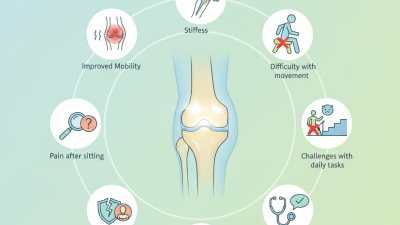
Osteoarthritis can begin with mild stiffness after sitting, climbing stairs, or waking up. A tempting assumption is that pain always reflects normal aging. That assumption can be wrong. Seek medical advice when discomfort lasts several weeks, affects sleep, or limits walking, work, or household tasks. A clinician can examine joint movement, muscle strength, swelling, and alignment. X-rays may help, but they are not always necessary for diagnosis.

Arrange an appointment sooner if the joint suddenly swells, locks, gives way, or becomes difficult to use. Pain after a fall also deserves prompt assessment. Redness, warmth, fever, or feeling unwell may indicate another condition requiring urgent care. Do not ignore these signs. They are not typical “wear and tear.”

A specialist may be appropriate when symptoms remain troublesome despite guided exercise, activity changes, or prescribed pain relief. A rheumatologist can assess uncertain or widespread joint symptoms. An orthopaedic specialist can discuss structural problems and surgical options when daily function declines. A physiotherapist can teach safer strengthening and movement techniques. Treatment should consider other illnesses, medicines, weight, sleep, and personal goals. Self-medicating for too long can create new problems, especially with anti-inflammatory drugs. Improvement is often gradual, and setbacks happen. Reassessing the plan matters.

DISCOVER THE POTENTIAL OF INNOVATIVE PROSTHETICS

From minor to severe injuries, our team develops advanced devices designed to support recovery and promote overall wellness.

Contact Us