Top 10 Causes of Osteoarthritis You Should Know About?
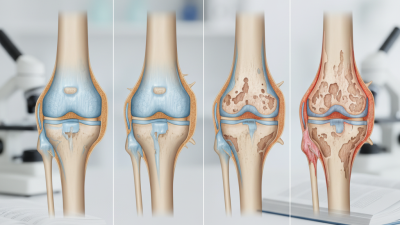
Osteoarthritis is a common joint disorder that affects millions worldwide. Understanding osteoarthritis causes is vital for prevention and management. This condition results from a combination of factors, both intrinsic and extrinsic.
Genetics plays a significant role. Those with a family history of osteoarthritis are at a higher risk. Age is another critical factor. As we age, the cartilage naturally wears down.
Obesity is also a leading contributor to osteoarthritis. Extra weight adds pressure on joints, accelerating cartilage degradation. Furthermore, previous injuries can increase the likelihood of developing this condition.
Physical activity can provide both benefits and risks. While exercise strengthens muscles around joints, overuse can lead to inflammation. Lifestyle choices, such as diet, can influence joint health too. Understanding these osteoarthritis causes can empower individuals to make informed decisions for their health.
Definition and Overview of Osteoarthritis
Osteoarthritis (OA) is a degenerative joint disease affecting millions worldwide. It arises from the breakdown of cartilage, the protective tissue at the ends of bones. According to the Global Burden of Disease Study, osteoarthritis ranked as one of the top ten causes of disability in 2019. The disease often leads to pain, stiffness, and decreased mobility, making daily activities challenging.
The prevalence of OA increases with age. Reports indicate that more than 80% of people over 65 exhibit some signs of the disorder. Moreover, the economic burden connected to osteoarthritis is significant. The American Academy of Orthopaedic Surgeons reported that the direct medical costs associated with OA exceed $185 billion annually in the U.S. alone. Yet, despite these alarming statistics, recognition and diagnosis often lag behind, especially in younger populations.
The complexity of osteoarthritis extends beyond aging. Genetics, obesity, and previous joint injuries also contribute. An alarming 30% of adults with obesity may develop OA. This multifactorial nature presents challenges in understanding and treating the disease. Continued research is crucial, as many patients remain unaware of their condition and its potential complications.
Top 10 Causes of Osteoarthritis
Osteoarthritis is a degenerative joint disease that results from the wear and tear of cartilage, which cushions the ends of bones in the joints. This chart illustrates the top causes of osteoarthritis, highlighting the significant risks and contributing factors that can lead to the development of this condition.
Common Risk Factors for Developing Osteoarthritis
Osteoarthritis is a common joint disorder, affecting millions worldwide. Understanding risk factors can help in prevention. Age is a significant factor. About 27% of older adults suffer from this condition. Gender also plays a role; women are more likely to develop osteoarthritis than men, especially post-menopause. Genetics can also increase your susceptibility. If your family has a history of osteoarthritis, you might be at a higher risk.
Obesity is another crucial factor. It adds stress to weight-bearing joints, increasing the likelihood of degeneration. Research shows that losing just 5-10% of body weight can reduce joint pain and improve function. Joint injuries, whether from sports or accidents, also elevate the risk. Past injuries can weaken the joint, making it more vulnerable.
**Tips:** Regular exercise strengthens muscles around joints. Low-impact activities, like swimming, can be beneficial. Consuming omega-3 fatty acids may help reduce inflammation. Pay attention to any joint discomfort and consult a healthcare professional if symptoms persist. Listening to your body is vital. Ignoring signs can lead to a progression of symptoms and impact your quality of life.
Top 10 Causes of Osteoarthritis You Should Know About
| Cause | Description | Risk Factor |
|---|---|---|
| Age | Increased risk as you age due to wear and tear on joints. | Older Adults |
| Weight | Extra body weight puts added stress on weight-bearing joints. | Obesity |
| Genetics | Family history of osteoarthritis can increase susceptibility. | Family History |
| Joint Injuries | Previous injuries can predispose individuals to osteoarthritis. | Past Injuries |
| Overuse of Joints | Repeated stress on joints can lead to degeneration. | Occupational Activities |
| Gender | Women are generally at higher risk post-menopause. | Female |
| Bone Deformities | Genetic abnormalities can affect joint structure. | Congenital Conditions |
| Metabolic Conditions | Conditions such as diabetes may increase risk. | Diabetes |
| Other Diseases | Certain diseases can predispose individuals to OA. | Rheumatoid Arthritis |
| Sedentary Lifestyle | Lack of activity can weaken muscles supporting joints. | Inactive Lifestyle |
The Impact of Age on Osteoarthritis Progression
As we age, our bodies undergo many changes. Osteoarthritis, a progressive joint disease, becomes more common with age. Cartilage, the tissue cushioning joints, naturally wears down over time. By the age of 65, many people experience some form of arthritis. This degeneration leads to pain and stiffness, making daily activities challenging.
Age is a key factor in the development of osteoarthritis. Younger individuals might experience injuries that could lead to joint problems later in life. For older adults, the cumulative wear and tear on joints can be substantial. Weight gain is often associated with aging, adding extra stress on joints like the knees and hips. Furthermore, the body’s ability to repair damaged cartilage diminishes as we grow older. This increase in joint pain can significantly impact quality of life, requiring a reevaluation of one’s activity levels and lifestyle choices.
The connection between age and osteoarthritis is complex. Not everyone develops significant joint pain with age. Some remain active and pain-free. Genetics and lifestyle choices play a role in this variability. Regular exercise might help maintain joint health, but each person's experience is unique. Understanding this progression is essential, allowing individuals to adapt and manage their health effectively as they age.
The Role of Obesity in Osteoarthritis Development
Obesity plays a significant role in the development of osteoarthritis. Research indicates that approximately 20% of individuals with obesity will develop this painful joint condition. Excess weight puts added stress on weight-bearing joints. This includes the knees, hips, and spine. The more weight a person carries, the higher their risk of damage to cartilage. A study found that losing just 5-10% of body weight can reduce osteoarthritis symptoms significantly.
Inflammation is another key factor linking obesity and osteoarthritis. Fat tissue is not merely passive; it produces inflammatory chemicals known as cytokines. These substances can promote cartilage breakdown. A report from the Arthritis Foundation states that higher levels of body fat correlate with increased levels of these cytokines. As inflammation worsens, the joints wear down more quickly. This cycle can lead to chronic pain and decreased mobility.
Addressing obesity through lifestyle changes can be challenging but necessary. Individuals often struggle with motivation and consistency in their weight loss efforts. One effective strategy is incorporating low-impact exercises, which can alleviate joint stress. The goal should be gradual and sustainable weight loss. Education and support are vital in these journeys. Remember, each small step counts toward healthier joints.
Genetic Predisposition and Osteoarthritis: What You Need to Know
Genetic predisposition plays a significant role in the development of osteoarthritis (OA). Studies indicate that individuals with a family history of OA are more likely to develop the condition themselves. Research reveals that 40% of people with OA report having a close relative with the disease. This clearly shows the strength of genetics in influencing joint health.
Male and female risk factors differ in OA. For example, women are at a greater risk after menopause. Hormonal changes affect cartilage health. Genetics also interacts with environmental factors, such as obesity and physical activity. The Framingham Osteoarthritis Study found that individuals with a high body mass index (BMI) are at increased risk, particularly if they have a genetic susceptibility.
It’s important to note that while genetics can increase the risk, lifestyle choices still play a crucial role. Those with a genetic predisposition might not develop OA if they maintain a healthy weight and stay active. This highlights the need for a proactive approach. More studies are needed to uncover specific genetic markers and their contributions to OA. Exploring these connections can lead to better prevention strategies.
Related Posts
-
2026 Top Osteoarthritis Stages Explained for Better Understanding?
-

What Are the Stages of Osteoarthritis for Global Buyers at Canton Fair?
-
Why Understanding Osteoarthritis Stages is Essential for Effective Management?
-

2026 How to Manage the Effects of Osteoarthritis Effectively?
-
2026 Top Treatment for OA Options You Need to Know?
-
Best Relief from Osteoarthritis Products in China?
DISCOVER THE POTENTIAL OF INNOVATIVE PROSTHETICS
From minor to severe injuries, our team develops advanced devices designed to support recovery and promote overall wellness.