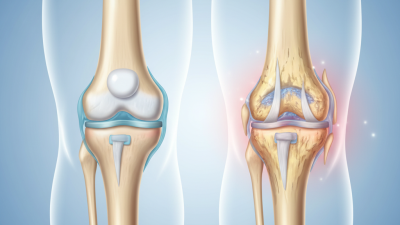
What Are the Top 10 Types of Osteoarthritis?
Osteoarthritis is often described as one condition, yet its patterns vary by joint, cause, and severity. This article explores the top 10 types of osteoarthritis, including knee, hip, hand, spinal, and shoulder forms. It also considers less familiar patterns, such as erosive hand osteoarthritis and post-traumatic disease. The term “osteo arthrosis” may appear in some medical sources as a related expression, although usage can differ by region.
This is not a simple checklist. There is no single worldwide system for ranking ten distinct types. Some categories describe the affected joint, while others describe how the condition began. That difference matters. A painful knee after years of stair climbing may not follow the same path as a young athlete’s injured joint. A swollen finger joint can also tell a different story.
Clinical experience shows that symptoms may include stiffness, grinding, reduced movement, or pain after activity. However, symptoms alone cannot confirm the diagnosis. Healthcare professionals may combine a physical examination, medical history, and imaging when appropriate. X-rays can show joint-space narrowing and bone changes, but images do not always match pain levels. That can be confusing.
The guide aims to explain these variations clearly and responsibly. It separates common patterns from less typical ones, while noting where medical classification remains imperfect. Readers should use this information to prepare better questions for a qualified clinician, not to replace individual assessment. Small details matter: when pain starts, which movement triggers it, and whether swelling persists.
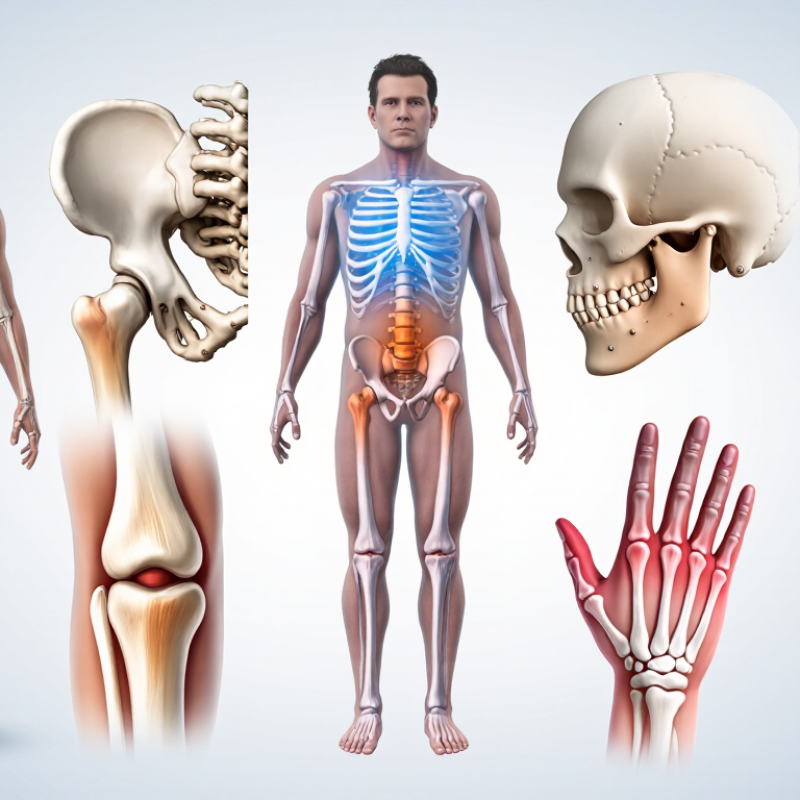
How Osteoarthritis Is Classified by Cause, Pattern, and Affected Joint
What Are the Top 10 Types of Osteoarthritis?
Osteoarthritis is classified by cause, pattern, and the joint involved. This matters because knee pain does not always follow the same biological pathway as hand pain.
The World Health Organization reported that about 528 million people lived with osteoarthritis in 2019. Around 73% were older than 55, and women represented 60% of cases.
Primary osteoarthritis develops without one clear injury or disease. Secondary osteoarthritis follows trauma, joint deformity, infection, or metabolic illness. Generalized osteoarthritis affects several joints, while localized osteoarthritis remains concentrated in one region.
Common joint-based types include knee, hip, hand, thumb-base, finger-joint, spinal, and facet-joint osteoarthritis.
Post-traumatic osteoarthritis appears after fractures, ligament damage, or repeated impact. Erosive hand osteoarthritis can cause sudden swelling and painful stiffness. Inflammatory-pattern osteoarthritis may produce warmth and prolonged morning discomfort, although it is not the same as rheumatoid arthritis.
The Global Burden of Disease research consistently identifies the knee, hip, and hand as major sources of disability. Patterns can overlap. A person may have knee osteoarthritis after an old sports injury and generalized disease later in life.
That makes neat labels useful, but incomplete. Imaging can show cartilage loss, yet symptoms may remain mild. Clinical examination still matters. Pain, movement limits, swelling, and daily function should guide classification, not scans alone.
The Ten Main Types of Osteoarthritis and Their Defining Features
What Are the Top 10 Types of Osteoarthritis?
There is no single official top-ten taxonomy. Clinicians often group osteoarthritis by affected joint or cause. The Global Burden of Disease Study 2019 estimated that 528 million people lived with osteoarthritis worldwide. The World Health Organization reports that most cases affect people over 55. Knee osteoarthritis causes pain on stairs, swelling, and grinding. Hip osteoarthritis may create groin pain and reduced rotation. Hand osteoarthritis affects finger joints, causing stiffness and firm bumps. Thumb-base osteoarthritis can make gripping a cup difficult. Spinal osteoarthritis often causes neck or lower-back pain. Shoulder osteoarthritis limits overhead movement. Ankle osteoarthritis commonly follows an old fracture or ligament injury. Foot osteoarthritis may affect the big-toe joint, producing pain during walking. Post-traumatic osteoarthritis develops after joint damage. Generalized osteoarthritis involves several joints at once. These categories overlap, which can make labels less precise than patients expect.
Tips: Track pain, stiffness, swelling, and daily triggers for two weeks. Note morning stiffness duration. Seek professional assessment if walking, sleep, or hand use changes. Imaging may support diagnosis, but symptoms and examination still matter. Self-treatment can be useful, yet it is not automatically harmless. Weight, previous injury, work demands, and muscle strength can change the picture. WHO data are broad population estimates, not a personal forecast. That distinction deserves attention.
Where Each Osteoarthritis Type Commonly Develops in the Body
What Are the Top 10 Types of Osteoarthritis?
Where Each Osteoarthritis Type Commonly Develops in the Body
Osteoarthritis most often develops in weight-bearing or frequently used joints. Knee osteoarthritis can cause pain around the kneecap, joint line, or back of the knee. Hip osteoarthritis usually produces groin pain, but discomfort may spread toward the thigh or buttock. Lumbar spine osteoarthritis affects the lower back, while cervical spine osteoarthritis develops in the neck. Stiffness may worsen after rest or prolonged sitting.
Hand osteoarthritis has several recognizable patterns. Thumb-base osteoarthritis develops where the thumb meets the wrist and can make opening jars difficult. Distal finger-joint osteoarthritis affects the joints nearest the nails. Proximal finger-joint osteoarthritis appears in the middle finger joints and may limit gripping. These changes can create firm bumps, although swelling does not always mean severe disease.
Shoulder osteoarthritis usually involves the main ball-and-socket joint, causing pain when reaching overhead. Foot osteoarthritis often affects the big-toe joint, midfoot, or smaller toe joints. Ankle osteoarthritis is less common and frequently follows an old injury. Elbow osteoarthritis can occur after repeated strain, fractures, or previous joint damage. Pain location can mislead. A careful examination, movement testing, and sometimes imaging help distinguish osteoarthritis from tendon, nerve, or inflammatory problems. Symptoms also vary widely, and the joint that looks worse on an image is not always the joint causing the most pain.
Risk Factors and Conditions Linked to Different Osteoarthritis Types
What Are the Top 10 Types of Osteoarthritis?
Osteoarthritis can affect the knee, hip, hand, thumb base, fingers, spine, neck, foot, ankle, and shoulder. Post-traumatic osteoarthritis forms an important eleventh category. These labels describe location or cause, not completely separate diseases. Symptoms may include morning stiffness, grinding, swelling, and pain after walking or gripping. The World Health Organization reported that 528 million people lived with osteoarthritis globally in 2019. Nearly 60% were women, and 73% were older than 55.
Risk differs by joint. Excess body weight increases pressure on knees, hips, and ankles. Previous fractures, ligament injuries, or repeated kneeling can trigger post-traumatic changes. Occupational lifting may strain the spine and shoulders. Family history appears especially relevant to hand and generalized osteoarthritis. Diabetes and other metabolic conditions may also influence disease development. The Centers for Disease Control and Prevention estimated that 32.5 million adults in the United States had osteoarthritis during 2017–2019.
Age remains a strong factor, but it is not a complete explanation. A younger athlete with an old knee injury may develop pain earlier. A heavier person may have symptoms without severe X-ray changes. That distinction matters. Imaging can look dramatic while daily function remains fairly good, or the reverse. Evidence from the Global Burden of Disease study also links osteoarthritis with increasing disability worldwide. Researchers still debate how inflammation, muscle weakness, sleep, and metabolism interact. Our understanding is useful, but not finished.
What Are the Top 10 Types of Osteoarthritis?
Risk factors and conditions linked to different osteoarthritis patterns
The chart compares ten recognized site-based or clinical osteoarthritis patterns. Values represent the number of five broad risk-factor categories commonly linked with each pattern: aging, previous injury or overuse, excess mechanical load, genetic or family susceptibility, and inflammatory or metabolic conditions. These values summarize clinical associations and are not prevalence percentages or individual risk predictions.