How to Understand Osteoarthritis Stages and Symptoms

Understanding osteoarthritis stages can make joint changes feel less mysterious. It can also prevent unnecessary fear about a scan report. Osteoarthritis usually develops gradually, affecting cartilage, bone, and surrounding tissues. Symptoms may include pain, stiffness, swelling, reduced movement, or a grinding sensation.

A person with mild X-ray changes may experience considerable pain. Another person with advanced joint narrowing may report surprisingly few symptoms. This mismatch matters. Imaging shows structural changes, but it does not measure suffering by itself. Clinicians consider pain patterns, physical function, examination findings, medical history, and daily activities. Walking downstairs, gripping a cup, or standing after a long meeting can reveal more than a single image.

The osteoarthritis stages commonly describe early, mild, moderate, and severe disease. These labels help healthcare professionals discuss progression and treatment options. However, they are not perfectly standardized across every clinic or imaging system. That limitation deserves attention. A careful assessment should connect the stage with the person, not replace the person’s experience. Evidence-based guidance from organizations such as the American College of Rheumatology and the American Academy of Orthopaedic Surgeons supports individualized care. Treatment may include exercise therapy, weight management when appropriate, pain strategies, activity adjustments, or surgery for selected cases. No single plan fits everyone. Persistent swelling, sudden weakness, fever, or rapidly worsening pain requires professional evaluation. This article explains the main stages and symptoms in practical terms, while recognizing that real osteoarthritis is often less tidy than a chart.
How to Understand Osteoarthritis Stages and Symptoms

What Osteoarthritis Is and How Joint Damage Develops

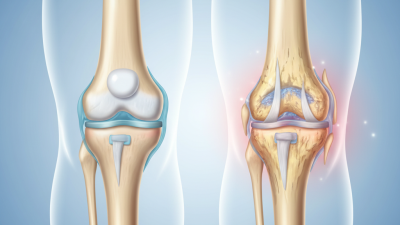
Osteoarthritis is a slowly changing joint disorder, not simply “wear and tear.” Healthy cartilage cushions the ends of bones and helps them glide smoothly. With osteoarthritis, that cartilage becomes thinner, rougher, and less able to absorb pressure. Small cracks may develop. The underlying bone can then become denser and more painful under load.

Joint damage often develops over years. The synovial lining may become mildly inflamed, while extra bone growths, called osteophytes, can form around the joint. These changes may narrow the joint space on an X-ray. However, images do not always match symptoms. A person may have noticeable damage but little pain. Another may hurt greatly despite modest imaging changes.

Early symptoms often include stiffness after rest, mild aching, or pain during stairs and gripping. Morning stiffness usually lasts less than thirty minutes. As the condition progresses, pain may appear during ordinary movement or at night. The joint can feel swollen, warm, weak, or less flexible. Knees may produce a grinding sensation. Hands may develop firm bumps near the finger joints.

Stages are useful, but they are not perfect boxes. Symptoms can fluctuate with activity, sleep, weight, previous injury, and muscle strength. A careful assessment combines the person’s history, physical examination, and imaging when needed. Persistent swelling, sudden severe pain, or a hot, red joint deserves medical review, because another condition may be involved.

How Osteoarthritis Stages Are Classified

How to Understand Osteoarthritis Stages and Symptoms

Osteoarthritis stages are commonly classified through X-rays, symptoms, and physical examination. A widely used system ranges from Grade 0 to Grade 4. Grade 0 shows no clear signs of joint damage. Grade 1 may show tiny bone changes, with little or no pain. Grade 2 often includes small bone spurs and mild narrowing of the joint space. Movement may feel stiff after rest.

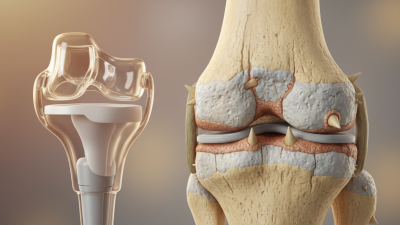
Grade 3 usually shows clear cartilage loss, larger bone spurs, and reduced joint space. Pain can appear during walking, climbing stairs, or gripping objects. Grade 4 represents advanced changes, with severe narrowing and possible bone contact. However, X-rays do not tell the whole story. Some people have strong pain with modest imaging changes. Others have severe-looking images and few symptoms. This mismatch deserves careful attention.

Tips: Track pain, stiffness, swelling, and daily limitations for several weeks. Note what triggers symptoms, such as long walks or cold mornings. Share these details with a qualified healthcare professional. Gentle movement often helps, but forcing a painful joint may worsen irritation. Staging is useful, not perfect. Personal experience still matters.

Common Symptoms at Each Osteoarthritis Stage

How to Understand Osteoarthritis Stages and Symptoms

Osteoarthritis symptoms often develop gradually, and they do not follow one exact timetable. In the early stage, pain may appear after climbing stairs, gardening, or walking farther than usual. The joint can feel stiff after rest, but movement often eases it. Mild swelling or a faint grinding sensation may also occur. Many people ignore these signs. That can delay helpful assessment.

During the moderate stage, discomfort becomes more regular and may interrupt sleep. The joint may feel warm, tender, or less flexible. Tasks like opening jars, standing from a chair, or carrying groceries can become difficult. Knee osteoarthritis may cause trouble on stairs, while hip symptoms can affect socks, shoes, or longer walks. Clinicians assess symptoms, movement, strength, and daily function. X-rays can help, but images do not always match pain severity.

In advanced osteoarthritis, pain may occur during rest or at night. Stiffness can last longer, and the joint may lose noticeable range of motion. Some people develop a changed walking pattern or rely on support outdoors. Symptoms can fluctuate. Bad days are real. Yet a severe scan does not guarantee severe pain, and a mild scan does not dismiss it. New redness, sudden swelling, fever, or an inability to bear weight needs prompt medical attention. A careful evaluation helps separate osteoarthritis from injuries or other joint conditions.

How to Understand Osteoarthritis Stages and Symptoms - Common Symptoms at Each Osteoarthritis Stage

Osteoarthritis severity may be described using clinical symptoms, physical function, and imaging findings. Radiographic changes and symptom severity do not always match.

Osteoarthritis Stage Typical Imaging Findings Common Symptoms Effect on Daily Activities Common Care Focus
Stage 0
No apparent OA
No meaningful signs of osteoarthritis on an X-ray. Joint structure is generally preserved. Usually no osteoarthritis-related pain, stiffness, swelling, or loss of movement. Normal use of the joint without an osteoarthritis-related limitation. Maintain regular physical activity, a healthy weight, muscle strength, and joint-protective movement habits.
Stage 1
Doubtful or very early
Possible small osteophytes, with little or no joint-space narrowing. Often symptom-free. Some people may notice occasional discomfort after prolonged activity or brief stiffness. Daily activities are typically unaffected, although strenuous or repetitive activity may cause mild discomfort. Monitor symptoms, maintain strength and flexibility, use low-impact exercise, and address modifiable risk factors.
Stage 2
Mild
Definite osteophytes and possible mild joint-space narrowing; the joint contour is usually still preserved. Intermittent joint pain with activity, stiffness after rest, mild tenderness, and occasional creaking or grating sensations. Walking, stair climbing, squatting, gripping, or other joint-specific tasks may become uncomfortable, especially after increased use. Exercise therapy, strength and range-of-motion training, activity modification, weight management when appropriate, and clinical evaluation of persistent pain.
Stage 3
Moderate
Clear joint-space narrowing, multiple osteophytes, increased bone density beneath the cartilage, and possible changes in joint shape. More frequent pain, stiffness lasting longer after rest, swelling or tenderness, reduced range of motion, and crepitus. Routine activities may be limited. Longer walks, stairs, rising from a chair, dressing, or household tasks may require pacing or support. Structured rehabilitation, pain-management options selected with a clinician, assistive devices when useful, and assessment of alignment and function.
Stage 4
Severe or advanced
Marked joint-space loss, large osteophytes, substantial bone thickening, and possible deformity or near bone-on-bone contact. Persistent or recurrent pain, significant stiffness, restricted movement, swelling, crepitus, weakness, and possible joint instability or deformity. Walking, work, sleep, self-care, and other daily activities may be substantially affected. Some people need a cane, walker, or other support. Comprehensive non-surgical care may be continued or adjusted. If pain and functional loss remain severe, a specialist may discuss surgical options.

Important: Osteoarthritis stages are not a perfect measure of pain or disability. Some people have substantial symptoms with limited X-ray changes, while others have advanced X-ray findings with relatively few symptoms. New severe pain, a hot or markedly swollen joint, fever, sudden inability to bear weight, or rapidly worsening symptoms should be assessed by a healthcare professional.

How Doctors Assess Osteoarthritis Severity

Doctors assess osteoarthritis severity by combining symptoms, examination findings, daily function, and imaging. No single test tells the whole story. During a consultation, they ask about pain patterns, stiffness, swelling, sleep, walking, work, and climbing stairs. They also examine joint movement, tenderness, alignment, creaking, muscle strength, and stability. This hands-on detail matters.

X-rays may show narrowed joint space, bone spurs, or changes beneath cartilage. Radiographic grades, such as Kellgren-Lawrence scores, can describe structural damage. However, images and symptoms do not always match. A person with striking X-ray changes may function well, while modest findings may cause severe pain. Doctors may order blood tests or other scans when symptoms suggest gout, inflammatory arthritis, infection, or another condition.

Severity also reflects what the joint prevents you from doing. A clinician may assess walking distance, grip strength, stair tolerance, or questionnaire scores over time. They consider age, previous injuries, body weight, muscle conditioning, and other health problems. Assessment is not perfectly neat. Pain can rise after poor sleep or unusual activity, then settle. For that reason, one appointment or one image should not control every decision. A careful review of changing symptoms, examination findings, and treatment response usually gives a more reliable picture.

Treatment Options Matched to Symptoms and Stage

Osteoarthritis changes gradually, but symptoms rarely follow a perfect schedule. Early disease may cause brief stiffness, mild swelling, or pain after activity. Moderate osteoarthritis can bring grinding sensations, reduced movement, and discomfort during stairs or longer walks. Severe disease may cause persistent pain, joint deformity, and difficulty sleeping or dressing. Imaging can show joint damage, but the picture does not always match daily pain. The stage label can mislead.

Treatment should match symptoms, function, and overall health. Gentle strengthening and range-of-motion exercises often support painful knees, hips, or hands. A physical therapist can adjust movements when ordinary exercises feel too demanding. Weight management may reduce pressure on weight-bearing joints. Heat can ease morning stiffness, while cold may calm swelling after activity. Clinicians may also discuss topical or oral medicines, injections, or surgery. Each option has possible risks. A medical assessment matters, especially with stomach, kidney, heart, or blood-thinning concerns.

Tips: Track pain, stiffness, sleep, and activities for one week. Note what helps, not only what hurts. Use supportive footwear and pace demanding tasks. Stop exercises that cause sharp pain or increasing swelling. Reconsider the plan if symptoms persist, change suddenly, or limit basic activities.

How to Understand Osteoarthritis Stages and Symptoms

Treatment options matched to symptoms and radiographic stage

Stage Typical imaging description Possible symptoms Common management focus
Grade 0
None
No radiographic evidence of osteoarthritis No OA-related symptoms expected No OA-specific treatment; investigate other causes if symptoms are present
Grade 1
Doubtful
Possible small osteophyte; joint space is usually preserved Often asymptomatic or mild intermittent pain Activity modification, strengthening, weight management when appropriate
Grade 2
Mild
Definite osteophytes with possible joint-space narrowing Pain with activity, stiffness after rest, reduced function Exercise or physical therapy, education, topical or oral medicines when suitable
Grade 3
Moderate
Multiple osteophytes, definite joint-space narrowing, and some sclerosis More frequent pain, stiffness, swelling, and difficulty with daily activities Structured exercise, weight management, pain medicines, injections in selected cases
Grade 4
Severe
Large osteophytes, marked joint-space narrowing, severe sclerosis, and possible deformity Persistent pain, substantial stiffness, limited mobility, and possible pain at rest Comprehensive nonsurgical care; joint-replacement evaluation may be considered when symptoms remain disabling

The chart uses the Kellgren–Lawrence radiographic grading scale from 0 to 4. X-ray severity and symptoms do not always match, so treatment decisions should be based on pain, function, examination findings, overall health, and personal goals—not imaging alone.

DISCOVER THE POTENTIAL OF INNOVATIVE PROSTHETICS

From minor to severe injuries, our team develops advanced devices designed to support recovery and promote overall wellness.

Contact Us