Why Is Osteoarthritis Knee Surgery Needed?
Why Is Osteoarthritis Knee Surgery Needed?
Osteoarthritis knee surgery becomes relevant when persistent joint damage limits ordinary life. A painful knee can make stairs, shopping, or standing beside a kitchen counter exhausting. The World Health Organization reported that about 528 million people lived with osteoarthritis in 2019. Nearly 60% were women, and the knee was among the most commonly affected joints. More recent Global Burden of Disease research estimated 595 million cases worldwide in 2020. That figure may approach one billion by 2050.
Surgery is not an automatic finish line. The American Academy of Orthopaedic Surgeons recommends considering non-surgical care, including exercise, weight management, medicines, and injections, before knee replacement when appropriate. However, severe pain, substantial stiffness, bone-on-bone changes, and reduced mobility may justify an operation. A surgeon also considers age, muscle strength, general health, expectations, and failed treatments. X-rays matter, but they do not tell the entire story.
Professor David Hunter, a leading osteoarthritis researcher, has stated, “Osteoarthritis is a disease of the whole joint, not just the cartilage.” That perspective explains why osteoarthritis knee surgery can involve more than repairing visible cartilage. Total knee replacement replaces damaged joint surfaces with artificial components, aiming to reduce pain and restore practical movement. Still, outcomes vary. Recovery can involve swelling, physiotherapy, sleep disruption, and temporary dependence on others. Some people improve dramatically; others require patience and further assessment. The difficult question is not simply whether surgery is possible. It is whether expected functional gains outweigh the risks for this individual.
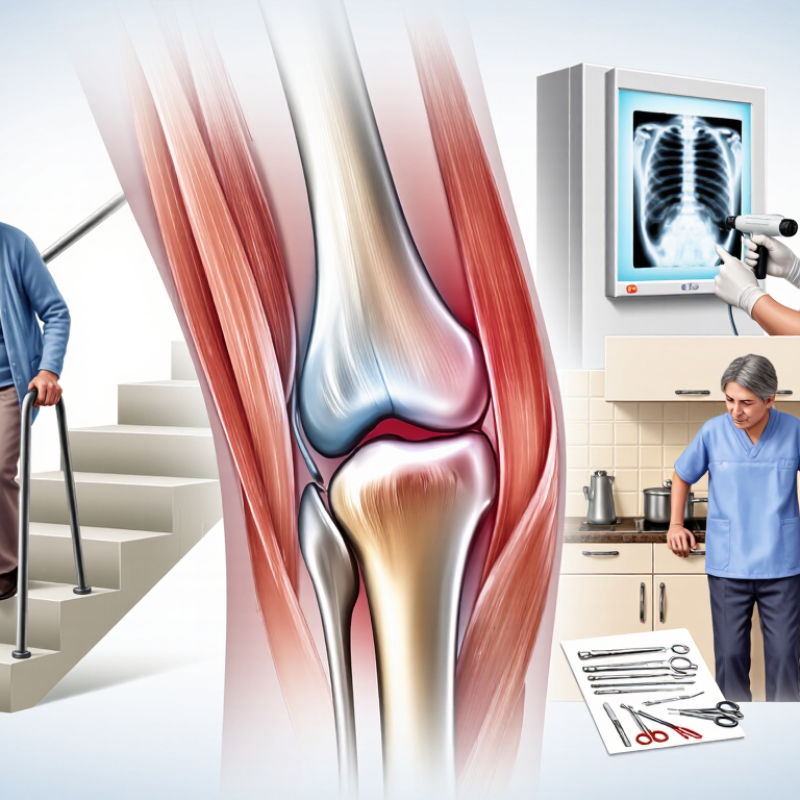
What Is Knee Osteoarthritis and How Does It Affect the Joint?
Knee osteoarthritis is a gradual change in the joint, not simply “wear and tear.” It develops when protective cartilage becomes thinner and rougher. This cartilage normally helps the thighbone and shinbone glide smoothly. With less cushioning, the bones experience greater stress during walking, stairs, or squatting. The joint feels different. Pain may appear after activity, while stiffness often follows sitting or waking. Swelling, crackling sounds, and reduced bending can also occur.
Osteoarthritis affects more than cartilage. The underlying bone may thicken, and the joint lining can become irritated. Small bone growths, called osteophytes, may further limit movement. Age, previous injuries, excess joint loading, genetics, and muscle weakness can influence risk. However, symptoms vary widely. Some people have severe X-ray changes but limited pain. Others hurt considerably despite modest imaging findings. That mismatch can be confusing.
Doctors usually assess symptoms, movement, strength, walking patterns, and medical history together. X-rays may support the diagnosis, but they do not measure pain perfectly. Treatment often begins with targeted exercise, weight management when appropriate, physical therapy, and carefully selected medicines. Surgery may become reasonable when persistent pain or stiffness seriously limits sleep, work, or daily activities despite these measures. A damaged joint does not automatically require an operation. Decisions should consider general health, expectations, recovery demands, and the actual source of pain. A thoughtful clinical review matters more than one scan.
When Is Knee Osteoarthritis Surgery Considered?
Knee osteoarthritis surgery is considered when pain and stiffness continue despite appropriate non-surgical care. This may include exercise therapy, weight management, pain relief, walking aids, or injections. Treatment usually needs time and consistent effort. One difficult truth: progress is rarely perfectly linear.
Doctors assess how osteoarthritis affects daily life. Can you climb stairs, sleep, work, or walk across a room? Persistent night pain, repeated swelling, reduced movement, or knee instability may support a surgical discussion. However, an X-ray alone should not decide the outcome. Some knees look severely worn but cause tolerable symptoms. Others hurt badly despite modest imaging changes.
Surgery becomes more reasonable when symptoms remain limiting and the expected benefits outweigh the risks. A specialist may discuss partial or total knee replacement, depending on the damaged areas, alignment, activity level, general health, and personal goals. The decision should follow a physical examination, imaging, medical history, and an honest conversation about recovery. Healing takes patience. Results can vary. A second clinical opinion may help when expectations, diagnosis, or timing feel uncertain. The right moment is not determined by age alone. It is determined by persistent disability and informed choice.
What Symptoms and Tests Help Determine the Need for Surgery?
Why Is Osteoarthritis Knee Surgery Needed?
What Symptoms and Tests Help Determine the Need for Surgery?
Knee osteoarthritis does not automatically require surgery. The decision usually begins with daily symptoms, not an X-ray alone. Persistent pain may appear during walking, stair climbing, or standing from a chair. Swelling, stiffness, grinding, and reduced knee movement can also interfere with sleep and work. A patient may describe a sharp pain at the inner knee or difficulty taking the first steps after sitting. These details help clinicians judge how seriously the condition affects function.
The World Health Organization reported that about 528 million people lived with osteoarthritis worldwide in 2019. Around 73% were older than 55. However, age alone does not determine surgical need. A physical examination checks alignment, tenderness, stability, muscle strength, and walking pattern. Weight-bearing X-rays can show joint-space narrowing, bone changes, or deformity. Blood tests are not usually used to confirm osteoarthritis, but they may help exclude rheumatoid arthritis, infection, or gout.
Surgery is considered when pain remains substantial despite appropriate exercise, weight management, medication, and other non-surgical care. The American Academy of Orthopaedic Surgeons emphasizes that treatment should reflect symptoms and functional limitations, rather than imaging severity alone. Pain scores help, but they are imperfect. Some people have dramatic X-rays and manageable symptoms. Others struggle greatly with modest changes. MRI is not routinely necessary, although it may clarify suspected ligament, cartilage, or soft-tissue problems. A careful discussion of risks, recovery, mobility goals, and personal expectations remains essential.
Which Surgical Options Are Available for Knee Osteoarthritis?
When knee osteoarthritis causes persistent pain, surgery may become an option after other treatments provide limited relief. Daily signs include pain on stairs, swelling after walking, or stiffness that makes standing difficult. A careful assessment should include your symptoms, physical examination, X-rays, and general health. Surgery should not be chosen from an image alone.
Several surgical options are available. Arthroscopy may remove loose tissue, but it often offers limited benefit for ordinary osteoarthritis. An osteotomy changes the leg’s alignment and can reduce pressure on one damaged knee area. It may suit younger, active adults with disease concentrated on one side. Partial knee replacement replaces only the damaged compartment, preserving healthy bone and ligaments. Total knee replacement replaces the worn joint surfaces and is considered when pain affects sleep, work, and basic movement.
Recovery differs. After a partial replacement, some people walk with support within days, while total replacement usually requires structured rehabilitation. Strength gradually returns through exercises, such as bending the knee while seated or walking short, regular distances. Every operation carries risks, including infection, blood clots, stiffness, and ongoing pain. No option is perfect. A scan can look severe while symptoms remain manageable, or modest damage can cause intense pain. Discussing goals, expected recovery, and non-surgical alternatives with an experienced orthopedic professional supports a safer decision.
Why Is Osteoarthritis Knee Surgery Needed? - Which Surgical Options Are Available for Knee Osteoarthritis?
| Surgical option |
When it may be considered |
What the procedure does |
Typical advantages |
Important limitations and considerations |
| High tibial osteotomy |
Younger or physically active adults with osteoarthritis mainly affecting one side of the knee, especially when leg alignment places excess load on that compartment. |
The upper tibia is cut and realigned to shift weight away from the damaged area. |
May preserve the natural knee joint and delay knee replacement in appropriately selected patients. |
Recovery can be lengthy; bone healing is required; it is less suitable for widespread arthritis or significant ligament instability. |
| Unicompartmental knee replacement |
Arthritis is limited to one compartment, the knee has suitable ligament function and alignment, and symptoms remain significant despite non-surgical treatment. |
Only the damaged compartment is replaced while more of the natural knee is retained. |
Usually involves less bone removal and may allow a more natural range of motion than total knee replacement for suitable patients. |
Not appropriate when arthritis affects multiple compartments, or when there is substantial instability, deformity, or inflammatory joint disease. |
| Patellofemoral replacement |
Severe osteoarthritis is confined mainly to the joint between the kneecap and thighbone, with relatively preserved tibiofemoral compartments. |
The damaged surfaces of the patellofemoral joint are replaced with artificial components. |
Preserves the unaffected parts of the knee and may provide symptom relief in carefully selected cases. |
Disease may later develop in other knee compartments; accurate diagnosis and patient selection are essential. |
| Total knee replacement |
Pain, stiffness, deformity, or functional limitation is severe; imaging shows advanced arthritis; and exercise, weight management, medication, injections, or other conservative measures no longer provide adequate relief. |
Damaged surfaces of the femur, tibia, and usually the underside of the kneecap are resurfaced with prosthetic components. |
Can substantially reduce pain and improve walking, daily activities, and knee-related quality of life. |
Major surgery with risks such as infection, blood clots, stiffness, nerve or blood-vessel injury, persistent pain, and later revision surgery. |
| Knee arthroscopy |
May be considered for a separate problem, such as a locked knee caused by a loose body or certain symptomatic meniscal conditions, rather than routine pain from osteoarthritis alone. |
A camera and small instruments are inserted through small incisions to inspect or treat selected internal problems. |
Usually involves smaller incisions and a shorter initial recovery than joint replacement. |
Routine arthroscopic washout or debridement generally does not provide meaningful lasting benefit for uncomplicated knee osteoarthritis. |
Why surgery may be needed: Surgery is generally considered when osteoarthritis causes persistent pain, substantial loss of function, sleep disruption, progressive deformity, or difficulty with everyday activities despite an appropriate course of non-surgical care. The choice depends on the affected knee compartments, alignment, ligament stability, age, activity level, general health, and personal treatment goals.
This table provides general educational information. A qualified orthopedic clinician should assess symptoms and imaging before recommending an operation.
What Benefits, Risks, and Recovery Factors Should Patients Expect?
Why Is Osteoarthritis Knee Surgery Needed?
What Benefits, Risks, and Recovery Factors Should Patients Expect?
When osteoarthritis damages knee cartilage, walking can feel like grinding over rough stones. Surgery may be considered when pain persists despite exercise, weight management, medication, or injections. The decision usually depends on daily function, joint damage, overall health, and personal goals. X-rays help, but symptoms still matter. A scan cannot describe every painful step.
Knee replacement can reduce severe pain and improve walking, sleep, and independence. Many patients regain useful movement, though a perfectly normal knee is not guaranteed. Risks include infection, blood clots, stiffness, nerve or blood vessel injury, and continuing pain. Medical conditions, smoking, poor muscle strength, and unrealistic expectations can increase complications. Ask how these risks apply to you.
Recovery is active work, not passive healing. Patients often use a walker first, then progress with guided exercises. Swelling may last for weeks, while strength and confidence can take several months. Short walks, ankle movements, and prescribed therapy may help circulation and mobility. Too much activity too soon can provoke swelling. Too little can cause stiffness. Recovery is rarely linear. Unexpected pain, fever, wound drainage, or calf swelling requires prompt medical advice. One detail is often underestimated: home support can strongly affect early progress.