What Are the Top Causes of Osteoarthritis?
Osteoarthritis is often described as “wear and tear,” but that phrase misses important biology. The condition develops when cartilage, bone, synovial tissue, muscles, and ligaments interact in damaging ways. The World Health Organization reported that 528 million people worldwide lived with osteoarthritis in 2019. About 73% were older than 55, and 60% were women. These figures show the scale of the problem, but age alone does not explain it.
Professor David Hunter, a leading osteoarthritis researcher, has stated, “Osteoarthritis is a disease of the whole joint, not just the cartilage.” His observation helps frame the major osteoarthritis causes examined in this guide. They include increasing age, previous joint injuries, obesity, repetitive physical stress, muscle weakness, and inherited joint structure. Knee and hip osteoarthritis may also reflect alignment changes that increase pressure across specific joint surfaces. A past sports injury can matter years later, even when the original pain has disappeared.
The evidence is strong, but not perfectly simple. Some people develop severe symptoms with modest X-ray changes. Others show joint damage but feel little pain. That mismatch deserves attention. Reports from the Global Burden of Disease Study and the Centers for Disease Control and Prevention also show that osteoarthritis creates substantial disability, healthcare use, and work limitations. Understanding the causes requires more than blaming aging or body weight. It requires examining personal history, joint mechanics, inflammation, genetics, and daily loading patterns. Small details matter, such as repeated stair climbing or an old meniscus injury. The causes overlap. That is where careless explanations can fail.
Definition and Overview of Osteoarthritis
What Are the Top Causes of Osteoarthritis?
Definition and Overview of Osteoarthritis
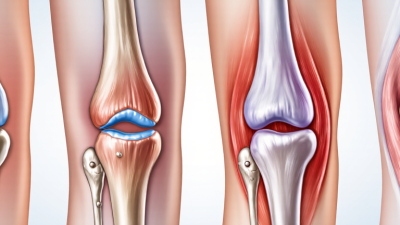
Osteoarthritis is a long-term condition affecting the whole joint, not cartilage alone. It commonly involves the knees, hips, hands, spine, and feet. Protective cartilage becomes thinner, while nearby bone may change shape. The joint lining, muscles, and supporting tissues can also become irritated. Pain, stiffness, swelling, and reduced movement may follow. Morning stiffness often improves within thirty minutes, although symptoms vary widely.
Not just aging. Age increases risk, but it does not guarantee osteoarthritis. Previous injuries, repeated joint stress, excess body weight, and poor joint alignment can contribute. Family history may also influence susceptibility, especially in hand and hip osteoarthritis. Jobs or sports involving frequent lifting, kneeling, or impact may add strain over time. Still, a single cause is often impossible to identify.
The picture is rarely simple. Two people with similar X-rays may report very different pain levels. Some people have clear joint changes but few symptoms. Others feel substantial pain with modest imaging findings. A medical assessment usually reviews symptoms, movement, injury history, weight, work demands, and family patterns. Imaging can support the assessment, but it should not replace a physical examination. Some explanations remain incomplete, and that uncertainty deserves honest discussion.
Joint Injuries and Repetitive Stress
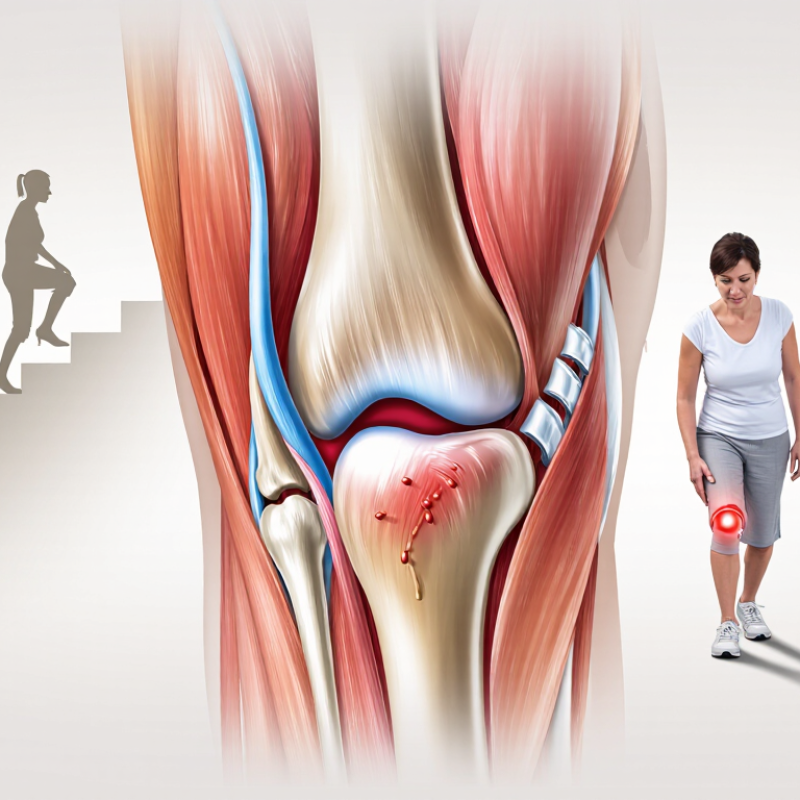
Joint injuries and repetitive stress are major, preventable contributors to osteoarthritis. A torn ligament, fractured surface, or damaged meniscus can change how forces move through a joint. Years later, cartilage may wear unevenly. The knee may swell after stairs. The hip may feel stiff when standing from a low chair.
Repetitive loading creates a different pathway. Construction work, farming, frequent kneeling, and repeated lifting can expose joints to thousands of small stresses. Research published by the National Institute for Occupational Safety and Health links demanding physical work with higher musculoskeletal injury risks. These risks may increase when recovery time is limited. Poor technique can add pressure, too.
The scale is substantial. The World Health Organization reported that 528 million people lived with osteoarthritis worldwide in 2019. The U.S. Centers for Disease Control and Prevention estimates that about 32.5 million American adults have symptomatic osteoarthritis. Those figures describe a broad condition, not one single cause.
Still, the picture is not perfectly neat. A painful joint after repetitive work does not prove osteoarthritis. Age, body weight, genetics, muscle strength, and inflammation also matter. An old sports injury may remain quiet for years, then become noticeable after a workload change. Medical assessment should consider the injury history, movement patterns, imaging, and daily symptoms together. Even small warnings deserve attention: persistent swelling, reduced motion, or pain that repeatedly follows the same task.
What Are the Top Causes of Osteoarthritis? — Joint Injuries and Repetitive Stress
| Cause or Risk Factor |
How It Contributes |
Common Examples |
Evidence Level |
Key Prevention or Management Consideration |
| Previous joint injury |
Damage to cartilage, ligaments, bone, or the joint surface can alter normal movement and increase long-term wear. |
Meniscus tear, anterior cruciate ligament injury, fracture involving a joint, or recurrent dislocation. |
Strong |
Prompt diagnosis, rehabilitation, strength training, and gradual return to activity may help restore joint stability and movement. |
| Repetitive joint stress |
Frequent loading, kneeling, squatting, lifting, or impact may increase mechanical stress, especially after earlier injury. |
Repeated kneeling, stair climbing, heavy lifting, high-impact training, or prolonged occupational loading. |
Moderate to strong |
Use task rotation, ergonomic adjustments, appropriate technique, rest periods, and low-impact cross-training. |
| Increasing age |
The ability of cartilage and other joint tissues to repair and tolerate cumulative stress generally decreases over time. |
Risk rises with age, although osteoarthritis is not an inevitable part of aging. |
Strong |
Maintain muscle strength, mobility, a healthy body weight, and regular joint-friendly physical activity. |
| Excess body weight |
Additional load increases forces across weight-bearing joints; body fat may also promote low-grade inflammation. |
Most commonly associated with the knees and hips, and also relevant to some hand osteoarthritis. |
Strong |
Even modest, sustainable weight reduction can reduce joint load and improve pain and physical function. |
| Muscle weakness or poor joint mechanics |
Weak supporting muscles or altered alignment can change how forces are distributed through the joint. |
Quadriceps weakness after knee injury, hip muscle weakness, bow-legged or knock-kneed alignment. |
Moderate |
Targeted strengthening, movement retraining, and clinical assessment may improve joint loading and function. |
| Genetic and structural factors |
Inherited traits may affect cartilage structure, bone shape, ligament stability, or susceptibility to osteoarthritis. |
Family history, congenital hip abnormalities, or naturally altered joint shape. |
Moderate to strong |
Genetic risk cannot be changed, but activity modification, strength, and early management of symptoms can be helpful. |
| Inflammatory or metabolic joint disease |
Inflammation or crystal deposition can damage cartilage and bone, leading to secondary osteoarthritis. |
Rheumatoid arthritis, gout, joint infection, or certain metabolic disorders. |
Strong |
Medical evaluation and treatment of the underlying condition are important to limit further joint damage. |
Note: Osteoarthritis usually develops through a combination of factors rather than one single cause. Risk varies by joint, individual health, injury history, activity type, and duration of exposure.
Obesity, Inflammation, and Lifestyle Influences
What Are the Top Causes of Osteoarthritis?
Obesity, inflammation, and daily habits can strongly influence osteoarthritis risk. Extra body weight increases pressure on the knees, hips, and ankles. A short walk may then feel harder, especially on stairs or uneven ground. Fat tissue also releases inflammatory signals, which may affect joint tissues beyond simple mechanical stress. This relationship is complex. Weight is not the only explanation.
Clinicians often encourage gradual movement, strength training, and weight management when appropriate. Stronger thigh and hip muscles can reduce strain during standing or climbing. Low-impact activities, such as swimming or cycling, may be easier on painful joints. Even ten-minute sessions can provide a realistic starting point. Consistency matters more than an ambitious plan that quickly fails.
Lifestyle influences are sometimes underestimated. Repeated lifting, old injuries, poor sleep, and long periods of inactivity may shape symptoms over time. Diet can support overall health, but no single food can reverse joint damage. That distinction matters. A person with osteoarthritis may need physical therapy, medical assessment, or changes at work. Self-management helps, but it is not a substitute for professional care. Progress is rarely perfectly steady; a painful week does not always mean the joint is rapidly worsening.
How to read this chart: These approximate relative-risk estimates compare each exposure with a reference group. Obesity is associated with substantially higher knee osteoarthritis risk, while previous joint injury and repeated occupational kneeling or squatting also contribute. Inflammation is an important biological pathway, especially in inflammatory arthritis, but its effect varies by disease and is not represented by one universal risk estimate. Osteoarthritis is multifactorial and cannot be attributed to a single cause.
Sources: Muthuri et al., Arthritis Care & Research (2011); Blagojevic et al., Osteoarthritis and Cartilage (2010); Coggon et al., Annals of the Rheumatic Diseases (2000). Values are rounded approximate pooled estimates and may differ by joint, population, and study design.