Top 10 Questions About Osteoarthritis and Knee Replacement?

Osteoarthritis can turn ordinary moments into difficult decisions: climbing stairs, standing from a low chair, or walking across a grocery store. When knee pain persists, people often wonder whether exercise, medication, injections, or joint replacement might help. The answers depend on symptoms, health, daily needs, and clinical findings—not an X-ray alone. Pain varies. So does progress.

Rheumatologist and osteoarthritis researcher Dr. David T. Felson has described osteoarthritis as “a disease of the whole joint.” That perspective matters: cartilage changes are only part of the picture; muscles, bone, inflammation, and movement can also affect comfort and function. This guide, “Top 10 Questions About Osteoarthritis and Knee Replacement,” explores how clinicians assess knee osteoarthritis, when nonsurgical care may be considered, and what knee replacement can—and cannot—do. It also addresses recovery, risks, implant lifespan, and questions to bring to an appointment. Details such as trouble sleeping, a swollen knee, or difficulty walking to the mailbox can help make a consultation more useful. Still, no article can determine whether surgery is right for one person. Treatment choices deserve a careful discussion with a qualified health professional who knows the patient’s circumstances. Some answers may feel less certain than readers hope. That uncertainty is worth acknowledging, not hiding.
Top 10 Questions About Osteoarthritis and Knee Replacement?

Understanding Osteoarthritis and Its Effects on the Knee

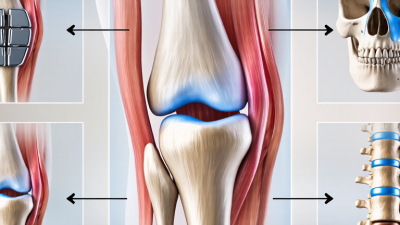
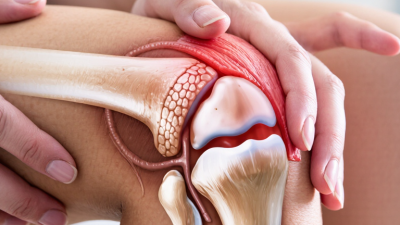
Osteoarthritis changes the knee gradually. The smooth cartilage covering the ends of the thighbone and shinbone becomes thinner and rougher. The joint may also develop small bone growths, while the surrounding tissues can become irritated. It can be subtle. A person may first notice stiffness after sitting, then feel pain on stairs or during a short walk. Swelling and reduced movement can follow, though symptoms differ widely.

Pain does not always match what an X-ray shows. Some people have visible joint changes but manage daily tasks comfortably; others feel significant pain with less obvious changes. That matters. Muscle strength, sleep, activity, past injuries, and overall health can all affect how the knee feels. A careful assessment considers symptoms and function, not an image alone. A clinician may ask when pain occurs, examine movement, and discuss other possible causes.

Osteoarthritis does not mean knee replacement is inevitable. Treatment often begins with options such as tailored exercise, activity adjustments, or pain relief discussed with a healthcare professional. When pain remains limiting despite appropriate care, replacement may be one option to consider. The decision is personal, and recovery takes time. One detail is easy to overlook: the goal is usually better comfort and function, not a perfectly new knee. Even then, results and timelines vary.

How Knee Osteoarthritis Is Diagnosed and Managed

Knee osteoarthritis is assessed through your symptoms, medical history, and a physical examination. A clinician may ask when pain began, whether stairs worsen it, and how long morning stiffness lasts. They may check tenderness, movement, swelling, and how you walk. X-rays can show joint-space narrowing and bone changes, but scan findings do not always match pain. That matters. An MRI is not routinely needed for typical osteoarthritis.

Management usually starts with movement, not complete rest. A tailored strengthening plan can improve support around the knee; a physiotherapist may adjust exercises if pain flares. Gentle cycling or walking on level ground may feel easier than repeated stair climbing. If weight loss is appropriate, even gradual changes can reduce knee strain. Pain medicines may help some people, but risks vary with health conditions and other medications, so discuss choices with a clinician. Not every treatment suits everyone.

Injections may offer temporary relief for selected patients, though results differ. Knee replacement is considered when pain and limited function remain substantial despite appropriate nonsurgical care. The decision should reflect daily needs, overall health, likely benefits, and recovery demands—not an X-ray alone. Recovery takes effort. Some people regain comfortable walking; others still notice stiffness or have to adjust expectations. A useful appointment question is: “What change should I expect from this treatment, and when will we review it?”

When Knee Replacement Becomes an Option

When Knee Replacement Becomes an Option

Knee replacement may be considered when osteoarthritis pain keeps limiting daily life despite appropriate nonsurgical care. That can mean struggling to climb stairs, standing from a chair, or walking across a grocery store. The American College of Rheumatology and American Association of Hip and Knee Surgeons’ 2023 guideline addresses patients with moderate-to-severe symptoms who have tried nonoperative treatment and chosen surgery. For these patients, it conditionally advises against delaying surgery just to repeat treatments that have already failed.

The boundary is rarely tidy.

A decision should weigh pain, function, examination findings, imaging, overall health, and personal goals—not an X-ray alone. The Centers for Disease Control and Prevention estimates that 32.5 million U.S. adults have osteoarthritis, but that figure does not mean surgery is right for every person. Some people gain enough relief from exercise, weight management, medication, or mobility aids. Others still face painful, shortened walks. Recovery also takes effort, and results vary. It is worth asking what daily activities matter most, what risks apply, and what support will be available at home. A small hesitation can be reasonable; so can deciding that persistent pain has taken too much from ordinary life.

What to Expect Before, During, and After Knee Replacement

Top 10 Questions About Osteoarthritis and Knee Replacement?
What to Expect Before, During, and After Knee Replacement

Before surgery, your care team will review your health, medicines, imaging, and goals. Ask how osteoarthritis affects your knee and whether replacement fits your situation. Pre-surgery instructions may cover fasting, medication changes, and arranging a ride home. Recovery planning matters: set up a safe path to the bathroom and keep daily items within reach. Plans can change, and that can feel frustrating.

During surgery, anesthesia helps control pain and keep you comfortable. The surgeon replaces damaged joint surfaces with artificial components. Your team will explain the approach and risks beforehand. Afterward, staff will monitor you and help you begin moving when it is safe. Physical therapy often starts early, but the pace varies. Expect some soreness and swelling; progress is rarely a straight line.

Tips: Write down questions and bring someone to appointments if helpful. Follow your clinician’s instructions about medicines and wound care. Keep exercises gentle and approved by your care team. Ask for help if pain suddenly worsens, fever develops, or the incision becomes increasingly red or drains. Recovery takes patience.

Top 10 Questions About Osteoarthritis and Knee Replacement: What to Expect Before, During, and After

Typical timing for selected milestones after knee replacement

These are broad, general estimates—not a personal recovery plan. Timing varies with health, the operated leg, and the surgical approach. Follow your care team's advice, especially about driving and returning to work.

Risks, Recovery, and Long-Term Results of Knee Replacement

Knee replacement can ease pain from osteoarthritis when other treatments no longer help enough. It is major surgery, not a reset button. Possible risks include infection, blood clots, stiffness, and problems with anesthesia. Some complications are uncommon but serious. Your age, overall health, and medicines can affect your personal risk, so discuss them with your surgical team before deciding.

Recovery takes patience. In the first days, walking with a frame or crutches may feel awkward, and the knee can be swollen and sore. Physical therapy helps rebuild strength and movement, but progress varies. Recovery is rarely a straight line. A difficult week does not necessarily mean the operation has failed; tell your care team about worsening pain, fever, or new calf swelling. Follow your clinician’s advice on wound care, activity, and blood-clot prevention.

Many artificial knees provide years of improved comfort and function, but no implant lasts forever. Wear, loosening, infection, or ongoing pain can sometimes lead to further treatment or revision surgery. Low-impact activities, such as walking and swimming, are often easier on the joint than repeated jumping. Expectations matter: the knee may not feel completely natural, and some discomfort can remain. Ask your surgeon what outcomes are realistic for your health and daily activities.

Top 10 Questions About Osteoarthritis and Knee Replacement: Risks, Recovery, and Long-Term Results
Question Evidence-based answer
1. What is knee osteoarthritis? Knee osteoarthritis is a condition in which the joint’s tissues change over time, often causing pain, stiffness, swelling, and difficulty with activities such as walking or climbing stairs. It is not simply “wear and tear”; age, previous injury, body weight, genetics, and other factors can contribute.
2. When might knee replacement be considered? Total knee replacement may be considered when substantial knee pain and functional limitations continue despite appropriate nonsurgical care, such as exercise-based physical therapy, activity adjustments, weight management when relevant, and pain-relief options recommended by a clinician. The decision is based on symptoms, examination, imaging, health, and personal goals—not an X-ray alone.
3. Does surgery replace the whole knee? In total knee replacement, damaged joint surfaces are removed and covered with artificial components. The operation does not remove the entire knee. Some people with disease limited to one compartment may be candidates for partial knee replacement; suitability depends on the pattern of arthritis and other clinical factors.
4. What are the main risks? Potential complications include infection, blood clots, bleeding, stiffness, persistent pain, nerve or blood-vessel injury, and problems with the implant. Deep infection after primary knee replacement is uncommon—often estimated at roughly 1–2%—but individual risk varies. Blood-clot risk and prevention plans also vary, so patients should discuss their personal risks and prescribed prevention measures with their care team.
5. How long does the operation and hospital stay take? The operation commonly takes about 1–2 hours, although preparation and recovery add time. Many patients leave the hospital the same day or after one night, depending on their health, mobility, home support, and local care arrangements.
6. How soon will I walk after surgery? Assisted standing and walking often begin on the day of surgery or the following day, when the clinical team considers it safe. A walker or crutches may be used at first. Progress is individualized and guided by pain control, strength, balance, and the rehabilitation plan.
7. How long does recovery take? Recovery is gradual. Many people resume a range of everyday activities within about 6 weeks, while strength, stamina, and comfort can continue improving for 3–6 months or longer. Swelling and warmth may persist for months. Recovery varies with health, pre-surgery function, complications, and rehabilitation.
8. Will the replacement eliminate pain and restore normal movement? Most patients experience substantial pain relief and improved function, but results are not guaranteed. Some may have ongoing pain, stiffness, numbness around the scar, or limits on kneeling and high-impact activities. A replacement knee may feel different from a natural knee, and rehabilitation is important for regaining mobility.
9. How long does a knee replacement last? Implant lifespan varies with factors such as age, activity, body weight, implant type, and surgical factors. A large 2019 systematic review estimated that about 82% of total knee replacements lasted 25 years in registry data. This is a population estimate, not a prediction for an individual; some implants last longer, while others need revision sooner.
10. What activities are usually recommended after recovery? Low-impact activities such as walking, swimming, cycling, and many forms of strength training are commonly encouraged once cleared by the care team. High-impact activities may increase implant wear or injury risk and should be discussed with a clinician. Follow individualized guidance on exercise, wound care, medications, and follow-up appointments.
Note: This table provides general educational information, not a diagnosis or personalized medical advice. Discuss treatment choices, individual risks, and recovery expectations with a qualified healthcare professional. Long-term implant estimate: Evans JT et al., The Lancet, 2019;393:655–663.

DISCOVER THE POTENTIAL OF INNOVATIVE PROSTHETICS

From minor to severe injuries, our team develops advanced devices designed to support recovery and promote overall wellness.

Contact Us