Why Is Knee Replacement Needed for Arthritis?

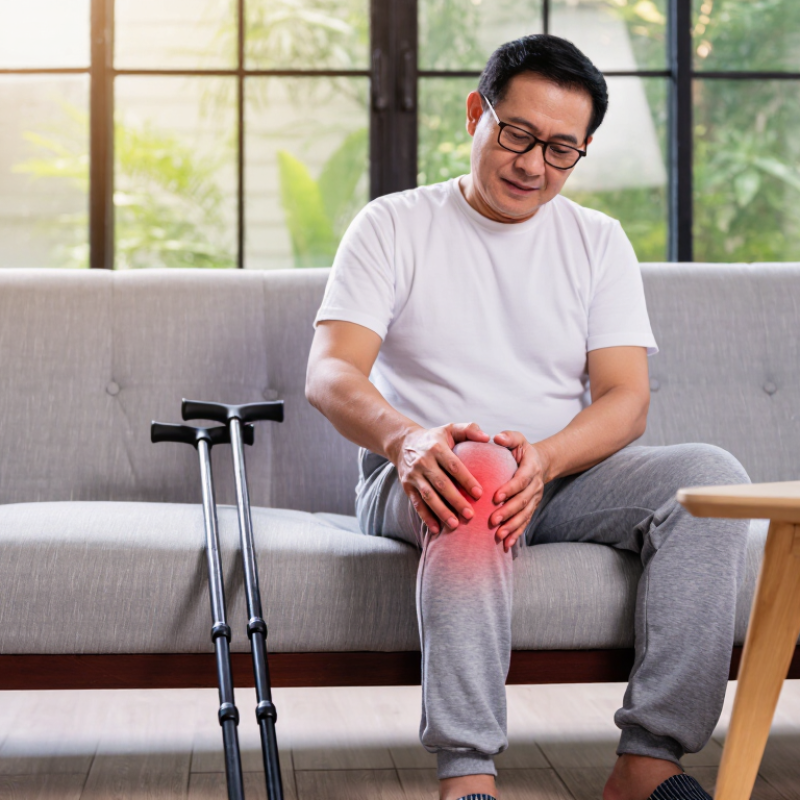
Knee arthritis can turn ordinary movements into daily negotiations. A short walk may bring swelling, stiffness, or a deep ache behind the kneecap. Over time, damaged cartilage can reduce the smooth movement between the thighbone and shinbone. Some people notice pain on stairs. Others struggle to stand from a chair or sleep comfortably.

Why is knee replacement needed for arthritis? The answer usually involves more than an X-ray. Orthopedic specialists consider pain severity, joint damage, mobility, strength, and treatment history. Physical therapy, weight management, braces, medicines, or injections may provide meaningful relief. However, these options do not repair severely worn cartilage. When symptoms remain disabling, arthritis and knee replacement may become part of a careful discussion.

It is not an automatic solution. Not every painful knee requires surgery. A surgeon should explain expected benefits, possible complications, recovery demands, and alternative choices. Patients also need realistic expectations. A replacement knee may improve walking and reduce pain, but it may not feel completely natural. Recovery can involve weeks of exercises, temporary swelling, and dependence on support. Clinical experience shows that preparation matters, although outcomes differ between individuals. No decision is perfectly predictable. This article examines the medical reasons behind knee replacement and the signs that may justify it. It also recognizes an important limitation: pain is personal, and treatment plans should reflect the whole person, not only the scan.
Why Is Knee Replacement Needed for Arthritis?

How Arthritis Damages the Knee Joint

Why Is Knee Replacement Needed for Arthritis?

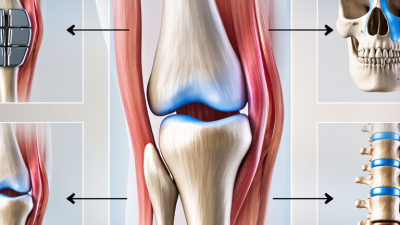
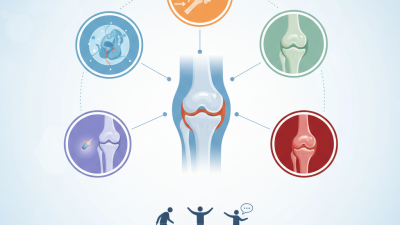
Arthritis gradually damages the knee joint, often over many years. Healthy cartilage normally cushions the ends of the thighbone and shinbone. With osteoarthritis, this smooth layer becomes thin, cracked, and uneven. Bone may then rub against bone. The knee can feel stiff, swollen, or painfully rough during walking and stairs. Small movements may become surprisingly difficult.

The joint may also produce extra bone, called osteophytes, around its edges. These growths can limit bending and create pressure inside the knee. Inflammatory arthritis may damage cartilage more quickly and affect the joint lining. As the knee changes shape, the leg can drift inward or outward. That altered alignment places heavier stress on specific areas. Pain is not always a perfect measure. Some people show severe damage on imaging but report modest symptoms, while others hurt greatly with less visible change.

Knee replacement is considered when damaged surfaces cause persistent pain and restricted daily activity. Doctors usually review symptoms, movement, strength, alignment, and imaging together. Physical therapy, weight management, activity changes, medicines, or injections may help before surgery. They do not rebuild lost cartilage. That distinction matters. Even so, surgery is not automatically the next step. Individual health, walking goals, other illnesses, and realistic recovery expectations all influence the decision. No single scan can tell the whole story.

Why Is Knee Replacement Needed for Arthritis?

How arthritis damages the knee joint and increases the long-term burden of pain and disability

Knee osteoarthritis gradually wears down the protective cartilage, narrows the joint space, increases bone-on-bone contact, and can cause persistent pain, stiffness, swelling, and reduced mobility. When these problems severely limit daily activities and no longer improve with nonsurgical treatment, knee replacement may be considered.

The figures show estimated lifetime risk of symptomatic knee osteoarthritis in selected adult groups. Estimates are based on population research reported in Arthritis & Rheumatology and related epidemiological studies; they do not represent an individual's personal risk.

When Conservative Treatments No Longer Relieve Symptoms

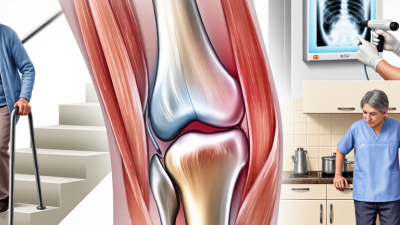
Knee replacement is usually considered when arthritis pain continues despite careful, non-surgical treatment. Exercise therapy, muscle strengthening, weight management, walking aids, and prescribed medicines may reduce symptoms. Injections can help some people, but their effects may fade. When pain returns every night, stairs become difficult, or a short walk requires frequent rest, daily independence begins to shrink.

The World Health Organization estimates that about 528 million people worldwide live with osteoarthritis, with knees commonly affected. However, arthritis on an X-ray does not automatically justify surgery. The National Joint Registry’s 2024 report records more than 3.5 million hip and knee procedures, showing how widely joint replacement is used and monitored. Still, population data cannot predict one person’s recovery.

Surgeons usually discuss replacement when pain remains severe, function stays limited, and conservative care no longer provides meaningful relief. Swelling, stiffness, deformity, and reduced sleep may strengthen that decision.
Not always.

The decision is not perfectly objective. Two people with similar scans may have very different pain, mobility, and expectations. A careful assessment should review medical conditions, medication risks, physical function, and rehabilitation plans. Patients should also understand that replacement can reduce arthritis pain, but it cannot guarantee normal movement or remove every ache. Evidence supports surgery for suitable patients, yet timing should remain personal and clinically reasoned.

Sources: World Health Organization, Osteoarthritis Fact Sheet, 2023; National Joint Registry, 21st Annual Report, 2024.

How Knee Replacement Restores Joint Function

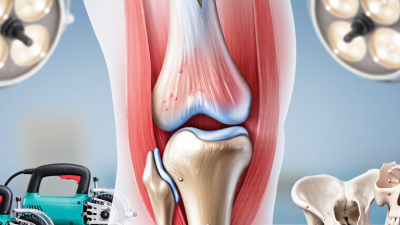
Arthritis can wear away the smooth cartilage that helps the knee move easily. As this cushion thins, bone may rub against bone, causing pain, stiffness, and reduced mobility. Knee replacement removes the damaged joint surfaces and replaces them with carefully shaped components. These new surfaces create a smoother pathway for bending and straightening.

Function returns through coordinated care, not hardware alone. In the hospital, a physical therapist may guide gentle ankle movements, supported standing, and short walks. Later, exercises focus on strength, balance, and knee control. A patient might first walk from the bed to the doorway, then manage stairs or shop for groceries. Small gains matter.

Recovery is not perfectly predictable. Swelling can make the knee feel tight, and progress may pause for several days. That can feel discouraging. It is tempting to call surgery a complete reset, but it is not. The replacement can reduce arthritic pain and improve movement, while muscles, habits, and confidence still need time to rebuild. Follow-up appointments help the clinical team assess healing, motion, and function. Suitability and recovery depend on overall health, knee condition, and commitment to rehabilitation. A realistic goal is useful movement in daily life, not necessarily a return to every previous activity.

Why Is Knee Replacement Needed for Arthritis? – How Knee Replacement Restores Joint Function

Data Dimension Typical Finding or Measurement How It Relates to Knee Function and Treatment
Primary condition End-stage knee osteoarthritis is the most common reason for total knee replacement. Cartilage loss, bone-on-bone contact, and joint inflammation can progressively reduce mobility and quality of life.
Common symptoms Pain with walking or stairs, stiffness after rest, swelling, reduced walking tolerance, and difficulty sleeping. These symptoms indicate that normal activities are being limited despite non-surgical treatment.
When surgery is considered Persistent pain and functional limitation continue despite appropriate measures such as exercise therapy, weight management, medication, or injections. The decision is based mainly on pain, disability, examination findings, and imaging—not on age alone.
Imaging findings X-rays may show narrowed joint space, bone spurs, changes in bone density, or deformity. Imaging helps confirm structural damage, but the severity of symptoms and loss of function remain essential to the decision.
Joint surfaces replaced The damaged surfaces of the thighbone and shinbone are removed and resurfaced; the underside of the kneecap may also be treated. Replacing irregular, damaged surfaces creates a smoother articulating joint and reduces painful bone-on-bone movement.
Movement restored Many patients achieve approximately 0° to 110°–120° of knee flexion, although results vary. This range commonly supports standing, level walking, sitting, and many daily activities. Deep squatting may remain difficult.
Pain improvement Most appropriately selected patients experience substantial reduction in arthritis pain after recovery. Lower pain can improve walking confidence, sleep, participation in rehabilitation, and independence.
Alignment and stability The procedure corrects damaged joint surfaces and can improve deformities such as bow-legged or knock-kneed alignment. Improved alignment helps distribute load more evenly and supports a more stable walking pattern.
Early mobility Patients are commonly encouraged to stand and walk with assistance on the day of surgery or within 24 hours, when medically appropriate. Early movement helps reduce stiffness and supports circulation, muscle activation, and functional recovery.
Hospital stay Many patients leave the hospital on the same day or within 1–3 days, depending on health status and home support. Shorter stays are possible when pain is controlled, walking is safe, and basic self-care can be performed.
Rehabilitation period Structured exercises usually begin immediately and continue for several weeks; functional improvement often continues for 6–12 months. Therapy focuses on restoring knee motion, strengthening the thigh muscles, improving balance, and retraining walking mechanics.
Return to daily activities Many people resume routine activities within approximately 6–12 weeks, subject to individual recovery. Driving, work, stairs, and exercise should be resumed only when strength, control, reaction time, and medical guidance allow.
Recommended activities after recovery Walking, swimming, cycling, and other low-impact activities are generally favored. Low-impact exercise supports cardiovascular health and muscle strength while placing less stress on the replaced joint.
Activities requiring caution High-impact running, repetitive jumping, and contact sports may increase stress on the joint and surrounding tissues. Activity recommendations should be individualized according to strength, balance, symptoms, and the treating clinician’s advice.
Expected implant service life Modern knee replacements commonly function for 15–20 years or longer, although longevity varies. Age, activity level, body weight, alignment, surgical factors, and implant performance can affect the need for revision surgery.
Important risks Possible complications include infection, blood clots, stiffness, persistent pain, instability, fracture, nerve or blood-vessel injury, and loosening. Preoperative assessment, blood-clot prevention, wound care, rehabilitation, and follow-up help reduce or identify complications early.
Overall functional goal Reduce arthritis pain, improve stability and alignment, and restore practical movement. Knee replacement does not recreate a completely natural knee, but it can provide reliable pain relief and meaningful improvement in everyday function.

Figures and recovery times are typical ranges rather than guarantees. Individual outcomes depend on overall health, joint damage, muscle strength, rehabilitation, and the advice of the treating medical team.

Which Arthritis Patients May Need Knee Replacement

Knee replacement is not required for every person with arthritis. The key question is whether pain and stiffness have become disabling despite appropriate non-surgical care.

The World Health Organization reported that about 528 million people lived with osteoarthritis worldwide in 2019. The knee is one of the most commonly affected joints. Still, an X-ray alone cannot decide treatment.

Daily function matters more than the scan.

Patients may be candidates when walking, climbing stairs, sleeping, or working becomes consistently difficult. Clinicians also consider persistent swelling, limited movement, leg deformity, and pain that continues after exercise therapy, weight management, medicines, or injections.

The 2023 American College of Rheumatology and American Association of Hip and Knee Surgeons guideline supports proceeding to surgery for selected patients with moderate-to-severe symptoms after non-operative treatment has failed. Extra delays should not be automatic.

Age alone is not a reliable reason to reject surgery.

Uncontrolled diabetes, severe heart disease, smoking, obesity, or untreated infection may increase complications and require medical optimization.

The American Joint Replacement Registry’s 2024 annual report also emphasizes monitoring outcomes, revision rates, and patient-reported function, not simply counting operations.

Recovery can restore independence, but it is demanding. Some patients expect a painless, “normal” knee and feel disappointed by lingering stiffness. That expectation deserves an honest discussion before consent.

The decision should be shared, individualized, and revisited when symptoms change.

Expected Benefits and Risks of the Procedure

Why Is Knee Replacement Needed for Arthritis?

Expected Benefits and Risks of the Procedure

Knee replacement may be considered when arthritis causes daily pain, stiffness, and poor mobility. X-rays matter, but symptoms matter more. A painful knee can make stairs, shopping, or sleep feel exhausting. The American Academy of Orthopaedic Surgeons states that surgery is usually considered after exercise, weight management, medication, injections, or other treatments provide insufficient relief. It is not simply an age-based decision.

The expected benefit is meaningful pain reduction. Many patients walk farther, sleep better, and regain confidence on uneven ground. However, recovery is demanding. The knee may swell for several months, and progress can feel uneven. National Joint Registry data indicate that roughly 95% of common primary knee replacements remain unrevised at ten years. That figure is encouraging, not a promise. Some patients still experience stiffness, clicking, weakness, or continuing pain.

Risks deserve equal attention. Infection, blood clots, nerve injury, fractures, and implant loosening are uncommon but serious complications. Large joint-replacement reports generally place deep infection risk near 1% to 2%, depending on patient health and surgical circumstances. The American Joint Replacement Registry also emphasizes that age, obesity, diabetes, smoking, and previous surgery can influence outcomes. A careful preoperative assessment can reduce avoidable problems. Still, no operation is risk-free. The decision should consider pain, function, medical history, rehabilitation support, and realistic expectations. Pain relief is not guaranteed.

DISCOVER THE POTENTIAL OF INNOVATIVE PROSTHETICS

From minor to severe injuries, our team develops advanced devices designed to support recovery and promote overall wellness.

Contact Us