7 Best Osteoarthritis Knee Surgery Options?
Knee osteoarthritis can turn ordinary moments into difficult decisions. A short walk may end with swelling, stiffness, or a sharp ache near the stairs. When medication, exercise, weight management, injections, or physical therapy no longer provide enough relief, surgery may become a reasonable discussion.
This guide examines seven osteoarthritis knee surgery options, including arthroscopy, osteotomy, partial knee replacement, patellofemoral replacement, total knee replacement, cartilage procedures, and revision surgery. These procedures are not interchangeable. Age, joint alignment, cartilage damage, ligament health, activity goals, medical conditions, and previous operations can change the recommendation.
“Osteoarthritis is not just wear and tear,” explains rheumatologist and osteoarthritis researcher Dr. David T. Felson. His statement matters because the disease can involve cartilage, bone, synovium, muscles, and the entire joint environment. Treatment should address the person, not only the X-ray.
There is no perfect operation.
Some patients recover quickly after partial replacement. Others need total knee replacement because damage affects several compartments. Arthroscopy may offer limited value for routine osteoarthritis, especially without locking or another specific problem. The evidence is not equally strong for every option, and expectations can be unrealistic.
A qualified orthopedic surgeon should review imaging, symptoms, walking limitations, and non-surgical treatments already attempted. A second opinion may help when the recommendation feels unclear. This overview cannot replace an examination, but it can make the consultation more focused, practical, and informed.
Understanding When Knee Surgery May Be Needed for Osteoarthritis
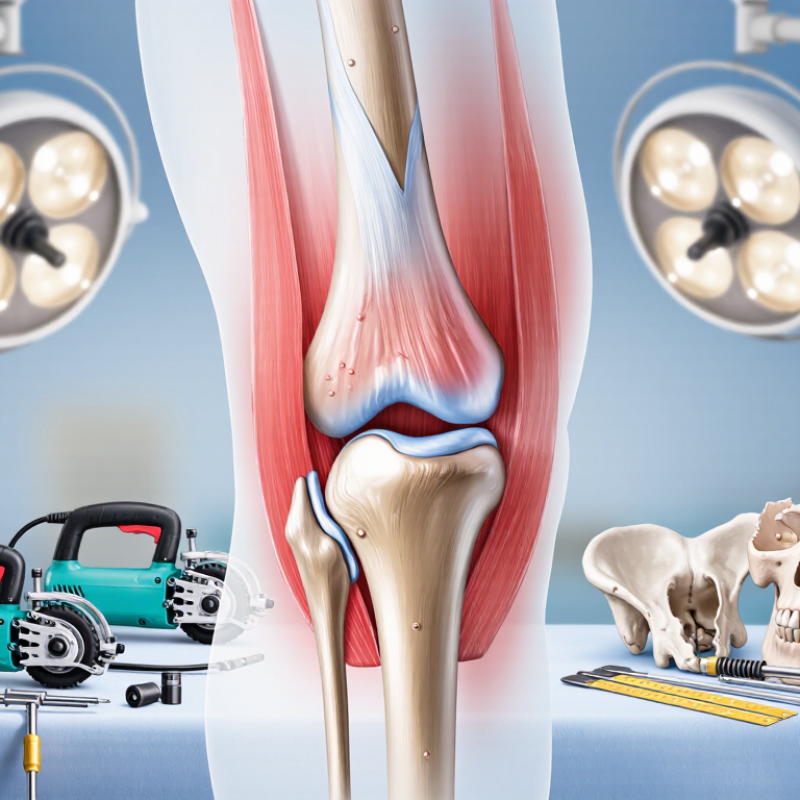
Knee surgery for osteoarthritis may be needed when pain continues despite exercise, weight management, medication, injections, or physical therapy. Daily tasks may become difficult, such as climbing stairs, standing from a chair, or walking across a room. Night pain matters too. So does swelling, stiffness, deformity, or repeated knee buckling. X-rays can show joint damage, but symptoms should guide the decision. A damaged-looking scan does not always require surgery.
Possible procedures include arthroscopy for selected mechanical problems, osteotomy to realign the leg, partial knee replacement, patellofemoral replacement, and total knee replacement. Revision surgery may address a failed replacement. Knee fusion is uncommon and reserved for severe situations. The best choice depends on age, activity, bone quality, alignment, disease location, and overall health. A specialist should explain expected recovery, risks, and alternatives. Surgery is not a guaranteed reset.
Tips:
Track pain, walking distance, sleep disruption, and medication effects for several weeks. Bring this record to your appointment. Ask whether non-surgical care has been fully tried and what recovery will require at home. Get a second opinion when the recommendation feels rushed. Decisions can change. That is normal.
Comparing Seven Surgical Options for an Arthritic Knee
Choosing surgery for an arthritic knee depends on pain location, alignment, activity, age, and joint damage. The seven options differ considerably: arthroscopic cleaning, high tibial osteotomy, distal femoral osteotomy, unicompartmental knee replacement, patellofemoral replacement, total knee replacement, and revision replacement. Arthroscopy rarely solves established osteoarthritis. The American Academy of Orthopaedic Surgeons recommends against routine lavage or debridement for primary knee osteoarthritis. A camera cannot restore missing cartilage.
Osteotomies reshape the bone, shifting pressure away from the damaged compartment. They may suit younger, active adults with malalignment and limited disease. Unicompartmental replacement replaces one worn compartment through a smaller surgical field. Patellofemoral replacement targets damage behind the kneecap. Both require carefully selected anatomy. Total knee replacement treats broader damage and remains the most predictable option for severe, multi-compartment arthritis. Robot-assisted planning may improve positioning, but it does not guarantee less pain or longer implant survival. That distinction matters.
Revision replacement is different. It addresses loosening, infection, instability, or wear after an earlier implant. The UK National Joint Registry’s 21st Annual Report shows modern primary knee replacements commonly achieve around 95% or greater implant survival at ten years, although results vary by age and patient factors. The American Joint Replacement Registry also reports steadily expanding real-world data on knee procedures and revision risk. Numbers help, but they cannot examine a swollen knee.
A practical consultation should review standing X-rays, range of motion, ligament stability, and daily goals. A painful staircase tells a different story from pain after a five-mile walk. Even experienced surgeons can disagree. That uncertainty deserves honest discussion.
7 Best Osteoarthritis Knee Surgery Options? — Comparing Seven Surgical Options for an Arthritic Knee
There is no single best operation for every arthritic knee. The appropriate choice depends on which parts of the knee are affected, alignment, ligament function, symptoms, overall health, and prior procedures. The options below are not ranked; some are intended only for specific situations.
| Surgical option |
Usually considered for |
What the operation does |
Potential advantages |
Important limitations |
| Total knee replacement (total knee arthroplasty) |
Painful, function-limiting osteoarthritis affecting multiple knee compartments, particularly when nonsurgical treatment has not provided enough relief. |
Replaces the damaged joint surfaces with artificial components. |
Can substantially reduce arthritis pain and improve everyday function for many appropriately selected patients. |
Major surgery with risks such as infection, blood clots, stiffness, and persistent pain. Recovery and rehabilitation take time; the artificial joint may eventually wear or require further surgery. |
| Unicompartmental (partial) knee replacement |
Osteoarthritis limited mainly to one compartment, with suitable ligament function and knee alignment. |
Replaces the damaged surfaces in one compartment while preserving more of the knee than a total replacement. |
May preserve more natural knee structures and can allow a quicker early recovery than total replacement in suitable patients. |
Not suitable when arthritis is widespread or the knee does not meet selection criteria. Arthritis can progress in other compartments, and some patients later need another operation. |
| Patellofemoral knee replacement |
Severe arthritis mainly between the kneecap and the thigh bone, when the other knee compartments are sufficiently preserved. |
Replaces the worn surfaces at the front of the knee while retaining the other compartments. |
Treats isolated kneecap-joint arthritis without replacing the entire knee. |
Only appropriate for carefully selected cases. Arthritis may develop or worsen elsewhere in the knee, potentially leading to further surgery. |
| High tibial osteotomy |
Often considered for selected active people with bow-legged alignment and arthritis concentrated on the inner side of the knee. |
Cuts and reshapes the upper shin bone to shift some load away from the more damaged compartment. |
Preserves the natural knee joint and may delay the need for knee replacement in selected patients. |
Does not remove arthritis; bone healing and rehabilitation are required. It is less suitable for widespread disease and can make later replacement more complex. |
| Distal femoral osteotomy |
Selected patients with knock-kneed alignment and arthritis concentrated on the outer side of the knee. |
Cuts and reshapes the lower thigh bone to adjust alignment and redistribute load across the knee. |
Can preserve the joint in appropriately selected patients and may postpone replacement surgery. |
Requires bone healing and a substantial rehabilitation period. It is not a treatment for widespread arthritis, and later knee replacement may still be needed. |
| Knee arthroscopy (limited, specific indications) |
Occasionally considered for a separate problem, such as a loose fragment causing a truly locked knee; not usually for arthritis pain alone. |
Uses small instruments and a camera to inspect the joint and address a specific mechanical problem. |
Less extensive than joint replacement and may help when a distinct treatable mechanical issue is present. |
Routine arthroscopic cleaning or trimming is generally not recommended for osteoarthritis pain because it does not reverse the joint damage and often does not provide meaningful lasting benefit. |
|
Knee arthrodesis (joint fusion)
|
Rarely used as a salvage procedure, such as in selected cases of a severely problematic or infected knee replacement when reconstruction is not a suitable option. |
Joins the thigh bone and shin bone so the knee no longer bends. |
Can provide a stable limb and may relieve severe pain in carefully selected salvage situations. |
Permanently eliminates knee motion and changes walking mechanics. It is not a routine operation for primary knee osteoarthritis. |
Note: Suitability, risks, and recovery vary by person and procedure. A qualified orthopedic surgeon can assess imaging, symptoms, overall health, and treatment goals. This table is general information, not a diagnosis or a substitute for medical advice.
How Surgeons Choose the Most Suitable Procedure
7 Best Osteoarthritis Knee Surgery Options?
How Surgeons Choose the Most Suitable Procedure
Surgeons do not choose knee surgery from an online ranking. They examine pain location, X-rays, joint alignment, mobility, age, activity goals, and general health. Treatment may include arthroscopic treatment, osteotomy, cartilage restoration, partial knee replacement, patellofemoral replacement, total knee replacement, or revision surgery. However, some options suit only carefully selected patients.
A surgeon also studies which compartments are damaged. A small, isolated area may allow partial replacement. Widespread arthritis often requires total knee replacement. Bowed legs can sometimes benefit from an osteotomy. Yet imaging can look severe while symptoms remain manageable. That detail matters. Surgery should treat disability, not merely an alarming scan. Previous operations, weak muscles, smoking, obesity, and unrealistic expectations may change the plan. No procedure is perfect. Even experienced surgeons must weigh imperfect choices.
Tips: Ask which joint areas are damaged and why. Request the expected recovery timeline. Discuss non-surgical care before deciding. Ask about infection, stiffness, blood clots, implant wear, and persistent pain. Bring a medication list and describe daily problems clearly, such as pain climbing stairs or standing from a chair. A second opinion can help when recommendations differ. Remember, the most advanced option is not always the most suitable one.
Preparing for Osteoarthritis Knee Surgery and Recovery
Preparing for osteoarthritis knee surgery starts with a realistic conversation. Your surgeon should explain whether arthroscopy, osteotomy, partial replacement, or total replacement fits your joint damage. Ask about pain control, expected walking distance, and possible complications. No option suits every knee.
Before surgery, arrange help with bathing, cooking, and transport. Move loose rugs and cords. Place a firm chair near your bed. Keep frequently used items at waist height. Practise exercises recommended by your physiotherapist, even when they seem simple. Stronger leg muscles may support early movement, but pain should not be ignored. Tell your medical team about medicines, allergies, diabetes, and previous reactions to anaesthesia. Fasting and medication instructions must be followed exactly.
Recovery often feels uneven. Some mornings bring stiffness, while another day allows easier steps. Use the walking aid as instructed. Short, regular walks can be more useful than one exhausting effort. Ice wrapped in cloth may reduce swelling, if your care team approves it. Do not rush stairs or driving. Keep the incision clean and watch for increasing redness, drainage, fever, chest pain, or sudden calf swelling. Seek urgent medical advice for these symptoms. I would not assume pain means failure; healing is rarely perfectly linear. It is also easy to do too much after one good day. Keep appointments, record changes, and report concerns early.
Risks, Outcomes, and Long-Term Care After Surgery
Seven knee surgery options can address osteoarthritis, but risks and long-term care differ. Arthroscopic cleaning rarely helps routine arthritis, according to the American Academy of Orthopaedic Surgeons’ clinical guideline. Other options include cartilage procedures, realignment osteotomy, partial replacement, patellofemoral replacement, total knee replacement, and revision surgery. Age, deformity, pain location, activity, and medical history guide the decision. A scan alone should not choose the operation.
Outcomes are often positive, but recovery is not perfectly predictable. The American Joint Replacement Registry’s 2024 report, covering millions of procedures, shows that most primary knee replacements avoid revision during the first decade. Younger, highly active patients face greater lifetime revision risk. Infection, blood clots, stiffness, nerve irritation, and persistent pain remain possible. Serious infection is uncommon, often near 1% to 2% in published surgical literature, but its consequences can be severe. Some patients improve slowly. A few never regain comfortable stairs, which deserves honest discussion before surgery.
Tips: Ask for the surgeon’s complication and revision rates, not only national averages. Prepare your home with a raised chair, clear walking paths, and cold packs. Follow exercises gradually; forcing a swollen knee can delay progress. Maintain a healthy weight and manage diabetes or smoking risks. Keep follow-up appointments, even when pain improves. Long-term results also depend on strength, balance, footwear, and realistic activity goals. The right operation can reduce pain, but it cannot restore a completely natural knee.