Why Is Knee Replacement Needed for Osteoarthritis?
Osteoarthritis can turn ordinary movements into daily negotiations: rising from a chair, walking to the mailbox, or climbing stairs. The World Health Organization estimated that 528 million people lived with osteoarthritis in 2019; 365 million had knee osteoarthritis (WHO, Osteoarthritis Fact Sheet, 2023). The scale is striking. Yet each person’s experience differs.
For some people, knee osteoarthritis gradually damages cartilage and changes the joint’s surfaces. Pain, stiffness, and reduced mobility may persist despite exercise, weight management, pain relief, or other nonsurgical care. When symptoms seriously limit quality of life, knee replacement may be considered. NICE guidance recommends considering joint replacement when symptoms substantially affect daily life and nonsurgical treatment has not helped, or is unsuitable (NICE Guideline NG226, 2022). It is not a first step for everyone. Nor is it a guaranteed return to pain-free movement.
This overview explores why osteoarthritis and knee replacement are linked, what clinicians assess, and when surgery may become a reasonable option. A surgeon may review imaging, pain, walking ability, health conditions, and the treatments already tried. The X-ray matters, but it does not tell the whole story. A visible change on a scan does not automatically mean surgery is needed; lived limitations matter too. Recovery also takes time, and outcomes vary. That can be frustrating. The decision deserves an honest discussion of likely benefits, risks, alternatives, and personal goals—not a promise that a new joint will make every step effortless.

How Osteoarthritis Damages the Knee Joint
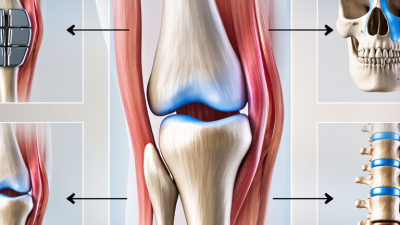
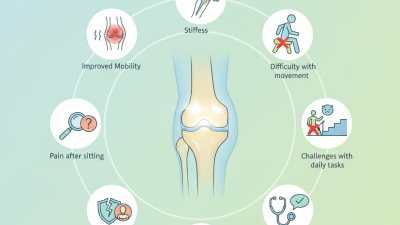
Osteoarthritis gradually changes the knee’s smooth, protective cartilage. As cartilage thins and roughens, the bones move less easily against each other. The joint may become stiff, especially after sitting or waking. Cartilage cannot repair itself well. The body may also form small bony growths, called osteophytes, around the joint. These changes can narrow the space between bones and make bending or walking uncomfortable.
Damage does not look or feel the same for everyone. Some people notice swelling, a grinding sensation, or pain on stairs; others struggle to stand from a chair. Over time, the knee may become less stable or slightly bowed. The picture is not always neat: X-rays can show marked changes when symptoms are manageable, or the reverse. Knee replacement may be considered when pain and limited movement substantially affect daily life, and other treatments have not helped enough. An examination and medical history help guide that decision.
Tips: Keep track of activities that trigger pain, such as climbing stairs or walking on uneven ground. Gentle movement may help maintain strength, but stop and seek professional advice if pain sharply worsens. Small details matter.
When Pain and Stiffness Begin to Limit Daily Activities
Why Is Knee Replacement Needed for Osteoarthritis?
When Pain and Stiffness Begin to Limit Daily Activities
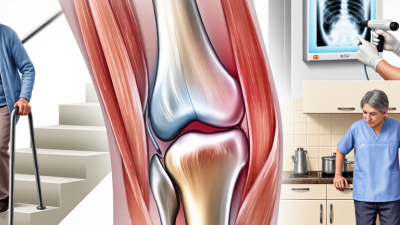
Osteoarthritis may make a short walk to the mailbox painful, or turn stairs into a daily obstacle. When knee pain, stiffness, or reduced movement repeatedly disrupts sleep, work, or personal care, it may be time to discuss treatment options. Knee replacement is generally considered when symptoms remain severe despite appropriate nonsurgical care. X-ray changes alone do not decide the issue; your symptoms and goals matter, too. That matters.
The American College of Rheumatology and American Association of Hip and Knee Surgeons’ 2023 guideline addresses people with moderate-to-severe osteoarthritis who have tried nonsurgical treatment and chosen surgery. It advises against delaying surgery just to repeat more of those treatments. Still, replacement is not a guaranteed return to every activity. A 2019 Lancet systematic review estimated that about 82% of total knee replacements lasted 25 years. That is a population estimate, not a personal promise. Recovery, health, and expectations differ.
Tips: For one week, note when pain interrupts everyday tasks, how far you can walk, and what helps. Bring that record and your questions to an orthopaedic clinician. Ask about likely benefits, risks, recovery time, and alternatives. Decisions deserve a careful conversation.
Why Nonsurgical Treatments May No Longer Provide Relief
When knee osteoarthritis keeps hurting despite exercise, weight management, medication, or injections, everyday tasks can shrink: stairs become slow, sleep breaks, and standing to cook feels costly. That matters. Persistent pain and limited mobility—not an X-ray alone—help determine whether replacement is worth discussing. Some people still manage well with arthritis visible on imaging; others cannot walk to the mailbox comfortably.
The 2023 ACR/AAHKS timing guideline conditionally recommends not delaying joint replacement merely to repeat physical therapy, anti-inflammatory medicines, walking aids, or injections when moderate-to-severe osteoarthritis persists and nonsurgical care has failed. “Conditionally” matters: medical risks, personal goals, and likely recovery still need review.
A 2007 Journal of Bone and Joint Surgery analysis projected 3.48 million U.S. knee replacements annually by 2030. That is an old forecast, not today’s count, and it says nothing about one person’s outcome.
A careful decision weighs persistent symptoms against surgical risks. I would not treat a painful knee as a simple repair; recovery takes effort, and relief is not guaranteed.
How Knee Replacement Addresses Advanced Joint Damage
In advanced knee osteoarthritis, the protective cartilage can wear thin, leaving bone surfaces closer together. Movement may bring stiffness, swelling, or pain that interrupts sleep and makes stairs difficult. An X-ray can show joint changes, but treatment decisions also depend on symptoms, examination findings, and daily needs.
During knee replacement, a surgeon removes damaged joint surfaces and covers the ends of the thighbone and shinbone with artificial components. A smooth plastic spacer sits between them, helping the joint bend with less painful friction. The kneecap’s underside may also be resurfaced, depending on its condition. The aim is better comfort and function, not a perfect or untouched knee. Not a reset. Some people still notice stiffness, numbness near the incision, or limits with kneeling. Recovery involves wound care, gradual walking, and exercises to rebuild strength; progress is rarely a straight line. A clinician can discuss whether the likely benefits outweigh surgical risks for a person’s health and circumstances. Recovery takes work.
Why Is Knee Replacement Needed for Osteoarthritis?
Kellgren–Lawrence (K–L) grades describe osteoarthritis severity on knee X-rays.
Grade guide: 0, no radiographic signs; 1, doubtful narrowing or tiny osteophytes; 2, definite osteophytes and possible joint-space narrowing; 3, multiple osteophytes and definite narrowing; 4, large osteophytes, marked narrowing, and bone changes.
Knee replacement may be considered when severe pain and loss of function substantially affect quality of life despite appropriate non-surgical treatment. X-ray grade alone does not determine whether surgery is needed; symptoms and clinical assessment matter. K–L grades are ordinal, not a linear measure of damage.
Who May Benefit from Knee Replacement and How Eligibility Is Assessed
Why Is Knee Replacement Needed for Osteoarthritis?
Who May Benefit from Knee Replacement and How Eligibility Is Assessed
Knee replacement may be considered when osteoarthritis causes persistent pain, stiffness, or limited function despite appropriate nonsurgical care. Someone may struggle to walk to the mailbox, climb stairs, or sleep comfortably. The decision is not based on an X-ray alone. Some people have marked scan changes but manageable symptoms; others feel limited by less obvious findings. That mismatch matters. It can mislead.
An assessment usually covers pain, daily activities, previous treatments, and personal goals. The clinician checks knee movement, stability, alignment, and strength, then reviews imaging. They also consider general health, medicines, recovery support, and surgical risks. Age or body weight alone does not determine eligibility. Diabetes, heart or lung conditions, and smoking may affect planning, and some risks can be addressed before surgery. There is no perfect checklist. Expectations deserve an honest conversation, too.
Tips: Before an appointment, note when pain occurs, what helps, and which tasks you avoid. Bring a medicine list and ask what nonsurgical options remain. If surgery is discussed, ask about recovery time, possible complications, and support needed at home.