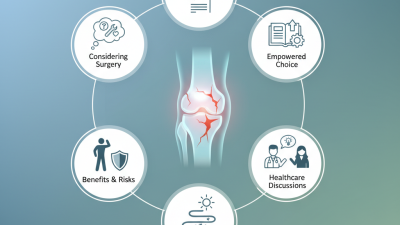
Top Tips for Arthritis Knee Replacement Success

Arthritis knee replacement is a significant procedure for millions suffering from joint pain. Statistics from the American Academy of Orthopaedic Surgeons indicate that over 700,000 knee replacements are performed annually in the U.S. These surgeries dramatically improve mobility and quality of life for patients. However, success hinges on several factors beyond the surgical technique.

Dr. Jennifer Lee, a leading orthopedic surgeon, emphasizes, "Preparation and rehabilitation play critical roles in the overall success of arthritis knee replacement." Her insights highlight the importance of pre-operative education and post-operative care. Many patients underestimate the recovery phase, leading to unrealistic expectations. This can result in disappointment and suboptimal outcomes.

Understanding the journey is vital. Patients must engage actively in their health, follow medical advice, and participate in physical therapy. It is not just about the surgery; it is about the entire experience. Failing to address these aspects might lead to complications or a longer recovery. Embracing this knowledge can promote success and satisfaction in the life-changing process of arthritis knee replacement.

Top Tips for Arthritis Knee Replacement Success

Understanding Arthritis and Its Impact on the Knees

Arthritis greatly affects the knees, leading to pain and reduced mobility. This chronic condition results in inflammation and breakdown of cartilage, ultimately limiting joint function. Patients often experience stiffness and swelling, making everyday activities difficult. For many, this impact is profound, affecting not only physical health but also mental well-being.

Understanding the symptoms and the progression of arthritis is crucial. Many people may dismiss early signs, thinking pain is a part of aging. This mindset can delay effective treatment. Seeking professional medical advice early can lead to better management. Moreover, lifestyle adjustments, such as maintaining a healthy weight and engaging in low-impact exercises, can improve outcomes. However, adhering to such changes can be challenging.

Each person’s journey with arthritis is unique. Some may find relief through physical therapy or medications, while others might need surgical options. Reflecting on personal responses to treatment is key. This reflection fosters better discussions with healthcare providers. Ultimately, being informed and proactive can influence the success of knee replacement surgeries.

Top Tips for Arthritis Knee Replacement Success - Understanding Arthritis and Its Impact on the Knees

Tip Number Tip Description Impact on Recovery Duration for Effect
1 Engage in Physical Therapy Improves joint flexibility and strength 4-6 weeks
2 Maintain a Healthy Weight Reduces stress on the knees Ongoing
3 Follow Post-Operative Care Instructions Ensures a proper healing process Immediate
4 Manage Pain Effectively Enhances mobility and participation in therapy Varies
5 Incorporate Low-Impact Exercises Strengthens muscles and supports joint health 6-8 weeks

Preparing for Knee Replacement Surgery: What to Expect

Preparing for knee replacement surgery can feel overwhelming. Studies show that over 600,000 knee replacements are performed annually in the U.S. alone. The key to a successful recovery begins long before the procedure. It’s crucial to understand the process and set realistic expectations.

Firstly, physical preparation is vital. A preoperative exercise program can enhance strength and flexibility. Research indicates that patients who engage in pre-surgery workouts tend to recover quicker. This means less pain and better mobility post-surgery. Focus on low-impact activities, such as walking or swimming. These exercises help strengthen the muscles around the knee. Yet, many patients don’t prioritize this preparation. It’s essential to commit to this phase.

Understanding pain management is equally important. Surveys reveal that about 70% of patients experience moderate to severe pain after surgery. Discuss pain relief strategies with your medical team early on. Some patients might feel anxious about using opioids. Others find alternative therapies helpful. Every individual’s pain threshold varies. Recognizing this can aid in developing a suitable pain management plan. Many overlook these discussions, which can lead to unnecessary discomfort.

Post-Surgery Recovery: Essential Tips for Success

Recovering from knee replacement surgery can be a challenging journey filled with both physical and emotional hurdles. After surgery, focus on physical therapy as soon as it's safe. A physical therapist will guide you through exercises to strengthen your knee and regain mobility. Consistent practice is crucial. Many patients struggle to stick to their exercise routine. Don’t be discouraged if progress seems slow; recovery varies for everyone.

Pain management is another vital aspect of recovery. Follow your doctor's advice on medications. Some days will be better than others. One key is to listen to your body. If the pain is too intense, it's essential to adjust your activities. Ice and elevation can help manage swelling. Sometimes, patients feel frustrated when improvement isn’t as expected. Keep a journal to track your pain levels and activities. This reflection can reveal patterns that may help in adjusting your recovery plan.

Nutrition plays a significant role in healing. A balanced diet can enhance recovery. Focus on foods rich in protein and vitamins. Hydration is equally important; drinking enough water aids in overall recovery. Some people overlook these aspects, believing they can focus solely on exercise. Remember, a holistic approach will yield the best results. Successful recovery requires patience, commitment, and self-compassion. Each recovery journey is unique; embrace yours.

Recovery Progress After Arthritis Knee Replacement Surgery

Rehabilitation Exercises for Optimal Knee Functionality

Rehabilitation is crucial after knee replacement surgery. Effective rehabilitation exercises can significantly enhance recovery and functionality. Research shows that patients who engage in structured rehabilitation programs experience up to a 40% improvement in knee strength within three months post-surgery. It's essential to start slow and focus on gentle movements. Simple exercises such as leg lifts and ankle pumps promote blood flow and reduce swelling.

Strength training is vital as healing progresses. Resistance exercises targeting the quadriceps and hamstrings can restore muscle balance and support the knee joint. A study by the American Academy of Orthopaedic Surgeons indicates that patients participating in strength training see a remarkable increase in daily activities, with 70% reporting a return to their previous lifestyle within six months.

However, not all exercises yield the same results. Overexertion can lead to pain and setbacks. It’s critical to listen to your body. When experiencing discomfort, reflect on your limits and adjust the intensity. Balance is key. Combining flexibility with strength improves range of motion and stability. Consistency, patience, and professional guidance are the pillars of successful rehabilitation after knee replacement.

Long-Term Care and Lifestyle Changes After Knee Replacement

After knee replacement surgery, long-term care and lifestyle changes are crucial for achieving success. One key aspect is maintaining a healthy weight. Excess weight increases pressure on the knees. Even a small reduction can alleviate some pain and improve mobility. Regular exercise is also essential. Simple activities like walking, swimming, or cycling can build strength without overloading the joints. It's important to listen to your body and avoid pushing through pain.

Diet plays a vital role in recovery too. A balanced diet rich in nutrients can enhance healing. Incorporate plenty of fruits, vegetables, and whole grains. These foods provide essential vitamins and minerals. Hydration is another critical factor. Drinking enough water supports joint health and prevents stiffness. It’s easy to overlook these simple habits in daily life.

Emotional well-being should not be underestimated. Coping with post-surgery challenges can be tough. Connecting with support groups or seeking professional help may provide comfort. Reflection on personal progress is important. There will be ups and downs, and acknowledging this can foster a positive mindset. Embrace the journey and adapt as needed; it’s a significant step towards a better quality of life.

DISCOVER THE POTENTIAL OF INNOVATIVE PROSTHETICS

From minor to severe injuries, our team develops advanced devices designed to support recovery and promote overall wellness.

Contact Us