Top 10 Questions About Arthritis and Knee Replacement
Living with arthritis can turn ordinary movements into daily negotiations. A short walk may bring swelling, stiffness, or a deep ache behind the kneecap. When medication, exercise, weight management, and physical therapy no longer provide enough relief, knee replacement may become part of the discussion. This guide introduces the top 10 questions about arthritis and knee replacement, using clear explanations grounded in orthopedic practice and established patient-care guidance.
The decision is rarely based on an X-ray alone. Doctors also consider pain intensity, sleep disruption, walking ability, joint damage, medical history, and personal goals. A specialist may examine how you climb stairs, rise from a chair, or manage a grocery trip. These details matter. They show how arthritis affects real life. However, no article can replace an individual evaluation, and treatment recommendations may differ between patients.
We will examine pain relief, implant materials, surgical risks, recovery milestones, physical therapy, and expected durability. We will also address concerns about age, activity, anesthesia, and possible complications. Recovery is often progressive, not perfectly smooth. Some days feel encouraging; others may feel frustrating. That uncertainty deserves honest discussion. By comparing clinical evidence with practical experience, this introduction aims to support better conversations with qualified healthcare professionals. It does not promise a simple answer. Your symptoms, health conditions, and priorities should remain central when considering arthritis and knee replacement.

Understanding Arthritis and Its Effects on the Knee
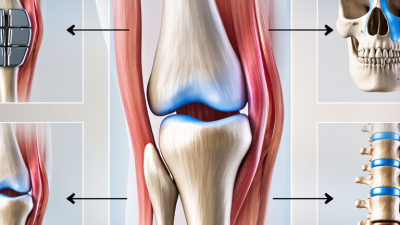
Arthritis changes the knee gradually, often before pain becomes constant. In osteoarthritis, the protective cartilage thins and roughens. Bones then move less smoothly across the joint. This may cause stiffness, swelling, grinding, or reduced movement. A patient might struggle to climb stairs, stand from a chair, or walk across a grocery store. Some people notice pain after activity. Others feel worse after sitting still.
Inflammatory arthritis can affect the knee differently.
The joint lining may become irritated and swollen. Warmth and morning stiffness can last longer than expected. Alignment may also change when damaged cartilage disappears unevenly. Clinicians assess symptoms, physical movement, medical history, and imaging together. An X-ray shows joint changes, but it does not measure every person’s pain. That detail matters.
It is easy to assume severe arthritis always requires knee replacement. That assumption needs questioning. Treatment may include strengthening exercises, weight management, activity adjustments, physical therapy, or carefully selected medicines. These options do not repair missing cartilage, but they may improve daily function. In clinical practice, replacement is considered when pain and limited movement persist despite appropriate care. Recovery also requires patience, home exercises, and realistic expectations. The process is not always smooth.
A quiet day does not prove the joint is healed, and a painful day does not automatically mean surgery is urgent.
A thoughtful discussion with an orthopedic professional can clarify the cause of symptoms and the safest next step.
When Knee Replacement Becomes a Treatment Option
Top 10 Questions About Arthritis and Knee Replacement
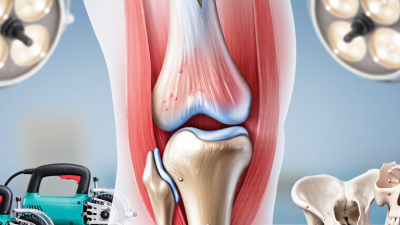
Knee replacement becomes a treatment option when arthritis causes persistent pain and limits daily life. Walking across a room may hurt. Stairs may feel unsafe. Sleep can become difficult. Doctors usually consider surgery after exercise therapy, weight management, pain relief, and injections provide limited improvement. A physical examination, medical history, and X-rays help guide the decision. An image alone does not decide it.
The best candidates often have severe cartilage loss and symptoms that affect work, mobility, or independence. Age matters less than overall health and personal goals. A person with diabetes, heart disease, or weak muscles may need extra preparation. Blood tests, medication reviews, and preoperative exercises can reduce avoidable risks. Recovery takes patience. Many patients use a walker at first, then practice bending the knee during therapy. Progress is rarely perfectly smooth.
The decision is not always clear. Some knees look severely damaged on X-rays but cause manageable pain. Others appear less dramatic but feel disabling. That mismatch deserves careful discussion with an orthopedic specialist. Knee replacement can relieve pain, but it is still major surgery, with possible infection, blood clots, stiffness, or ongoing discomfort.
Questions matter: What happens without surgery? How long might conservative care help? What daily activities do I hope to regain? A second professional opinion can be useful. So can honest reflection about expectations.
Preparing for Knee Replacement Surgery
Top 10 Questions About Arthritis and Knee Replacement
Preparing for Knee Replacement Surgery
Preparing for knee replacement begins weeks before the hospital visit. The American Academy of Orthopaedic Surgeons reports that more than 790,000 knee replacements occur annually in the United States. That number reflects common treatment, not an automatic decision. Your surgeon should review pain, walking limits, X-rays, medications, weight, and other health conditions.
Ask what happens on surgery day. Clarify anesthesia, expected hospital time, pain control, and when walking starts. Arrange a firm chair, remove loose rugs, and place daily items at waist height. A walker may be needed briefly. The American Joint Replacement Registry’s 2024 report tracks millions of hip and knee procedures, supporting the value of standardized follow-up and outcome monitoring.
Preparation is practical, but it is not perfect. Preoperative physical therapy can strengthen the thigh and improve confidence, although results differ between patients. Practice ankle pumps and safe transfers before surgery. Tell the medical team about smoking, diabetes, blood thinners, allergies, and previous infections. Do not hide small symptoms. A mild cough may change the plan. I would also ask about blood-clot prevention, wound care, driving, work, and warning signs. Recovery is often slower than expected, especially during the first two weeks. That deserves honest planning.
Top 10 Questions About Arthritis and Knee Replacement: Preparing for Surgery
These commonly discussed recovery milestones help patients plan for knee replacement surgery. Hospital discharge often occurs within 1–3 days, walking begins on the day of surgery or the following day, driving may resume after about 2–6 weeks, and many patients return to work within 6–12 weeks. Recovery timelines vary according to overall health, surgical technique, rehabilitation progress, and the type of work performed.
What Happens During Recovery and Rehabilitation
Top 10 Questions About Arthritis and Knee Replacement
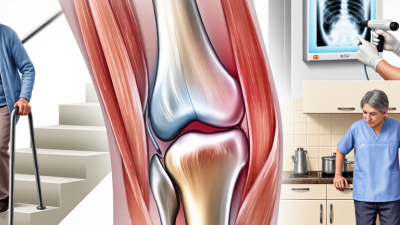
Recovery after knee replacement usually begins within hours of surgery. A physical therapist may help you stand and take a few careful steps. Early movement supports circulation and reduces stiffness. Pain, swelling, and tiredness are common. They can feel discouraging. Most patients use a walker at first, then progress to a cane. Your surgeon and therapist will adjust exercises according to healing, strength, and balance. Do not compare your progress with another patient’s timeline.
Rehabilitation often continues for several weeks or months. Exercises may include ankle pumps, gentle knee bends, straight-leg raises, and supported walking. A cold pack can reduce swelling when used as directed. Keep the incision clean and watch for increasing redness, drainage, fever, chest pain, or sudden calf swelling. Contact your medical team promptly if these symptoms appear. Recovery is not perfectly linear. A stronger day may be followed by a slower one, and that does not always mean something is wrong.
Tips: Prepare a clear walking path before surgery. Place daily items within easy reach. Take prescribed medicines exactly as directed. Short, frequent walks may be better than one exhausting session. Rest matters too. Some patients push too hard because they expect rapid improvement; that can increase swelling and delay progress. Ask when driving, work, stairs, and exercise are safe for your specific condition.
Managing Risks and Maintaining the New Knee
Top 10 Questions About Arthritis and Knee Replacement
After knee replacement, protecting the new joint involves more than completing exercises. A careful recovery plan can lower risks such as infection, blood clots, stiffness, and falls. Your surgeon or physical therapist should guide activity levels, wound care, and medication use. Keep the incision clean and dry as directed. Report increasing redness, drainage, fever, calf swelling, chest pain, or sudden breathlessness promptly. These signs do not always mean a serious complication, but waiting can be dangerous. Pain is information, not a personal failure.
Tips: Walk regularly, but increase distance gradually. Use prescribed support until your balance improves. Keep pathways clear, especially near rugs, stairs, and wet bathroom floors. Wear stable shoes. Complete strengthening exercises with controlled movements, not forced stretches. Ask before kneeling, driving, swimming, or returning to work. Maintain a healthy weight and manage diabetes if applicable, since these factors can affect healing. Never change blood-thinning medicine without medical advice. Small habits matter.
Many patients expect a perfectly normal knee immediately. That expectation can create frustration. Recovery often includes good days and awkward days. I would rather see steady progress than heroic effort followed by swelling. Keep follow-up appointments, even when the knee feels better. Write down pain, walking distance, sleep, and unusual symptoms. This record helps clinicians adjust care. No plan fits everyone. Your age, bone health, fitness, and other conditions influence the safest pace.