
How to Know If Osteoarthritis Needs Knee Replacement?
Deciding whether osteoarthritis needs knee replacement is rarely based on an X-ray alone. It usually begins with daily experience: pain while climbing stairs, stiffness after sitting, or difficulty walking across a room. The phrase “osteoarthritis and knee replacement” can sound like an automatic progression. It is not.
Orthopedic specialists consider several details before recommending surgery. They assess pain severity, joint movement, leg alignment, muscle strength, and the effect on sleep and independence. They also review treatments already tried, such as exercise therapy, weight management, medication, injections, or walking aids. A damaged-looking knee may cause manageable symptoms, while a modest scan may hide disabling pain. This mismatch can be confusing.
Your story matters.
A reliable decision combines physical examination, imaging, medical history, and honest discussion about goals. Replacement may become reasonable when persistent symptoms limit work, hobbies, or basic activities despite appropriate non-surgical care. Night pain, repeated swelling, reduced walking distance, and increasing reliance on support can provide important clues. Still, none of these signs proves that surgery is necessary.
This article explains what clinicians look for, how conservative treatment is judged, and what recovery may involve. It also acknowledges an uncomfortable truth: choosing surgery is not always clear-cut. Personal expectations, age, health conditions, and support at home can change the balance. A qualified orthopedic professional should interpret these factors together, rather than relying on a single image or symptom.

Table of Contents
[Hide]
Understanding Osteoarthritis and Its Effects on the Knee
How to Know If Osteoarthritis Needs Knee Replacement?
Osteoarthritis gradually damages the knee’s cartilage, causing bones to move less smoothly. Pain may begin during stairs, squatting, or longer walks. Later, stiffness can appear after sitting, and swelling may make the knee feel warm and heavy.
The World Health Organization reported 528 million people lived with osteoarthritis in 2019. About 73% were older than 55. Knee osteoarthritis is especially common. However, an X-ray cannot tell the whole story. Some people have severe joint changes but manageable pain. Others struggle daily with moderate imaging findings. Pain, walking ability, sleep disruption, and knee alignment matter together.
Knee replacement may become reasonable when pain continues despite exercise therapy, weight management, medicines, injections, or mobility support. The American College of Rheumatology and American Association of Hip and Knee Surgeons published guidance emphasizing shared decisions and non-surgical care before surgery. Still, no checklist is perfect. A careful orthopedic assessment should review physical findings, imaging, general health, and personal goals. Surgery is not chosen because of age alone.
Tips: Keep a two-week pain diary. Record stairs, walking distance, night pain, and medication effects. Bring it to your appointment. Ask whether your symptoms, not only your scan, justify replacement. Be honest about fear, weakness, or failed treatments. These details can change the decision.
How to Know If Osteoarthritis Needs Knee Replacement? — Understanding Osteoarthritis and Its Effects on the Knee
Key factors doctors consider when evaluating whether total or partial knee replacement may be appropriate
| Assessment Dimension | What May Suggest Advanced Knee Osteoarthritis | How It Affects the Decision | Typical Next Step |
|---|---|---|---|
| Pain Severity and Pattern | Persistent knee pain that occurs during walking, standing, stairs, or daily activities. Pain may also occur at rest or disturb sleep. | Constant or progressively worsening pain suggests that the joint is affecting quality of life, especially when symptoms are no longer limited to occasional activity. | Clinical evaluation Discuss pain pattern, triggers, duration, and impact with a qualified clinician. |
| Impact on Daily Function | Difficulty walking, climbing stairs, rising from a chair, shopping, working, exercising, or performing household activities. | Loss of function is often more important than an X-ray alone. Replacement may be considered when the knee prevents meaningful activities the person wants or needs to perform. | Discuss treatment options Document which activities are limited and how frequently limitations occur. |
| Response to Nonsurgical Care | Insufficient or short-lived relief after appropriate measures such as exercise-based physical therapy, weight management when appropriate, activity modification, pain medicines, braces, or injections. | Knee replacement is generally considered after reasonable nonsurgical treatments have failed to provide acceptable pain relief and function. | Review treatment history Confirm that treatments were appropriate, adequately tried, and safe for the individual. |
| Range of Motion | Increasing stiffness, difficulty fully straightening or bending the knee, or a feeling that the knee is becoming fixed in a limited position. | Restricted motion can interfere with walking and everyday activities and may indicate substantial joint degeneration or stiffness. | Physical examination A clinician measures motion, alignment, stability, strength, and gait. |
| Knee Alignment and Stability | Visible bowing or inward angling of the knee, a sense of giving way, or progressive changes in leg alignment. | Significant deformity or instability may increase mechanical stress on the joint and contribute to pain and functional decline. | Orthopedic consultation Assessment may help determine whether partial or total replacement is more suitable. |
| Imaging Findings | X-rays may show reduced joint space, bone spurs, increased bone density beneath cartilage, cysts, or bone-on-bone changes. | Imaging confirms structural damage, but severe X-ray findings do not automatically require surgery. Symptoms and function must also be considered. | Correlate imaging with symptoms Imaging should be interpreted together with the examination and the person’s lived experience. |
| Quality of Life | Pain, stiffness, poor sleep, reduced independence, social withdrawal, or inability to participate in valued activities. | A major decline in quality of life is an important reason to discuss surgery, particularly when the expected benefits outweigh the risks. | Shared decision-making Consider personal goals, expectations, recovery demands, and alternatives. |
| Overall Health and Surgical Readiness | Medical conditions, medications, smoking status, body weight, dental or skin infections, and physical conditioning may affect surgical risk and recovery. | Knee replacement is elective in most osteoarthritis cases. Health issues may need to be optimized before surgery rather than being an automatic reason to proceed or not proceed. | Preoperative assessment Review medical history, medications, infection risk, mobility, and rehabilitation support. |
| Urgent Warning Signs | Sudden severe swelling, a hot or very red knee, fever, inability to bear weight after an injury, a locked knee, or rapidly worsening symptoms. | These findings may indicate infection, fracture, blood clot, acute injury, or another condition that should not be assumed to be routine osteoarthritis. | Prompt medical attention Seek urgent assessment rather than waiting for a routine knee-replacement consultation. |
Important: There is no single pain score, X-ray finding, age, or activity level that automatically determines the need for knee replacement. The decision is individualized and should be made with an orthopedic professional after considering symptoms, function, imaging, nonsurgical treatment, general health, and personal goals.
Related Posts
-
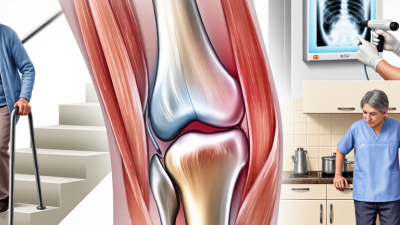
Why Is Osteoarthritis Knee Surgery Needed?
-

Why Is Knee Replacement Needed for Arthritis?
-
How to Choose Knee Replacement for Osteoarthritis?
-
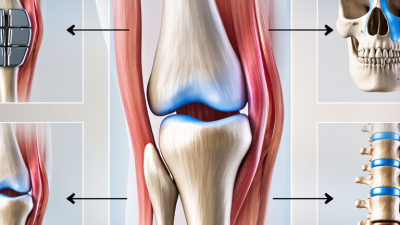
What Is the Best Knee Surgery for Osteoarthritis?
-

Top 10 Facts About Knee Replacement Due to Osteoarthritis in China
-

How to Prepare for Knee Surgery for Bone on Bone Conditions?
DISCOVER THE POTENTIAL OF INNOVATIVE PROSTHETICS
From minor to severe injuries, our team develops advanced devices designed to support recovery and promote overall wellness.
Contact Us