
How to Prepare for Knee Surgery for Bone on Bone Conditions?

Preparing for knee surgery for bone on bone conditions can be daunting. This surgery often aims to alleviate pain and restore movement. Understanding the process is crucial for optimal outcomes.

Patients must consider various aspects. First, a comprehensive assessment of medical history is essential. Discussing all symptoms and past treatments with the surgeon can guide effective planning. Preoperative exercises may strengthen the knee. Additionally, a clear understanding of expectations post-surgery is vital. Recovery takes time, and patience is necessary.

Moreover, engaging with healthcare professionals can provide insights. Ask about the procedure, rehabilitation, and potential risks. Reading success stories can offer hope, but be aware of varying experiences. Each patient's journey is unique, and there will be challenges along the way. Embrace the process, prepare thoroughly, and stay informed for a smoother recovery after knee surgery for bone on bone conditions.

How to Prepare for Knee Surgery for Bone on Bone Conditions?

Understanding Bone on Bone Knee Conditions

Bone on bone knee conditions often lead to severe pain and limitations in movement. This occurs when the cartilage in the knee joint wears away, exposing underlying bone. According to recent studies, about 30% of adults over 50 experience knee osteoarthritis, a common form of this condition. When cartilage diminishes, friction increases during movement, causing significant discomfort. Patients may find activities like climbing stairs or standing up difficult.

Understanding the implications of bone on bone conditions is crucial. Research indicates that this degradation may lead to inflammation in surrounding tissues. Chronic inflammation can worsen pain, creating a cycle that is hard to break. Physicians emphasize the importance of early intervention. Weight management and physical therapy can slow down progression. However, many patients struggle to make lifestyle changes, illustrating the need for effective communication and support from healthcare providers. The psychological aspects of dealing with chronic pain cannot be overlooked. Emotional stress can complicate recovery efforts, highlighting the necessity for a comprehensive approach to treatment.
Consulting with Your Orthopedic Surgeon

Preparing for knee surgery is a crucial step, especially for those with bone-on-bone conditions. Consulting with your orthopedic surgeon can significantly impact your recovery process. Start by discussing your symptoms in detail. Provide a clear picture of your pain levels and functional limitations. Bring any medical records that may help your surgeon understand your history. This will enable them to create a tailored treatment plan.

During your consultation, don’t hesitate to ask questions. Inquire about the surgery, recovery time, and potential complications. It’s a good time to mention your lifestyle, including activities you enjoy. Your surgeon can offer insights on what to expect post-surgery based on your unique situation. This conversation is vital in setting realistic expectations.

Keep in mind that your mental state affects recovery. Surgical decisions can evoke anxiety. Addressing these feelings with your surgeon is essential. It can help you prepare both mentally and physically. Surgery is a team effort; communication with your surgeon is key to navigating this challenging time.

Preoperative Assessments and Tests

Preparing for knee surgery involves essential preoperative assessments and tests. These evaluations help ensure that the patient is fit for surgery and can recover effectively. Blood tests, imaging studies, and physical evaluations are standard procedures. Blood tests check your general health and detect any underlying conditions. Imaging studies, such as X-rays or MRIs, provide detailed views of your knee. This information is crucial for your surgeon’s planning.

Physical evaluations assess your mobility and overall strength. Your healthcare provider may evaluate your range of motion and discuss your pain levels. These may reveal issues not immediately apparent. It's important to communicate any concerns with your doctor. Reflections on your habits, like physical activity levels and weight, may impact recovery. If you are a smoker, for instance, it’s worth contemplating how this affects healing.

Taking part in preoperative education can also be beneficial. Understanding the procedure and recovery expectations can reduce anxiety. Engaging with support groups or talking to previous patients may enhance your perspective. Preparing effectively is more than just a medical process; it’s a mental journey toward recovery.

Preparing Your Home for Post-Surgery Recovery

How to Prepare for Knee Surgery for Bone on Bone Conditions?

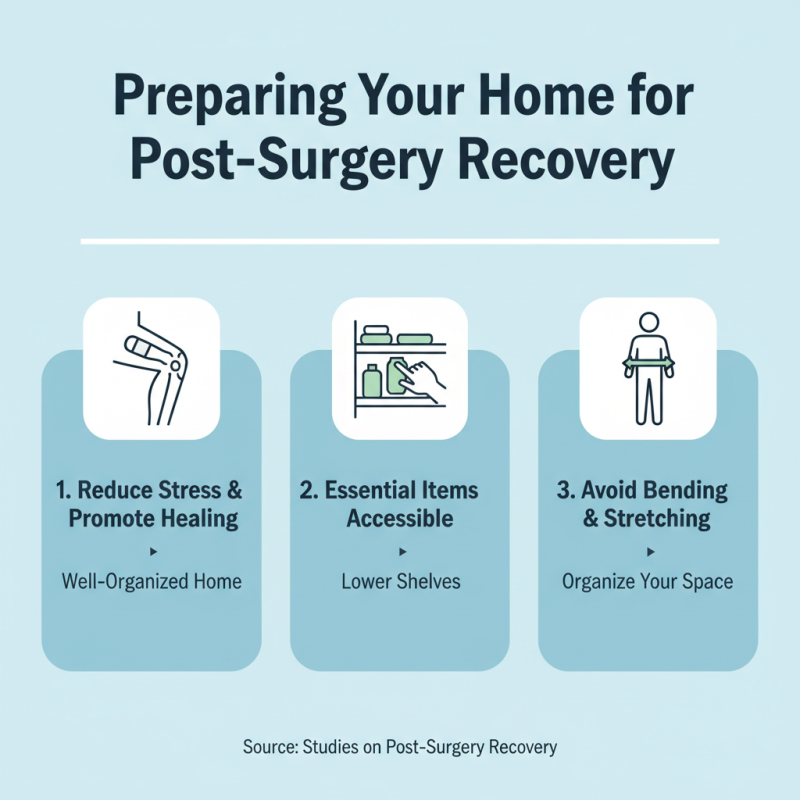
Preparing your home for post-surgery recovery is crucial for a smooth healing process. Studies show that a well-organized home can significantly reduce stress after knee surgery. One key aspect is ensuring that essential items are easily accessible. Place frequently used items on lower shelves and organize your space to avoid unnecessary bending or stretching.

Safety is another priority. Remove tripping hazards like rugs and clutter from pathways. Install grab bars in the bathroom and consider using a shower chair. More than 30% of patients experience falls during recovery, often due to poor home environments. These precautions can help mitigate that risk and foster a safer recovery space.

Comfort plays a role as well. Ensure your recovery area is cozy and equipped with everything you’ll need, including a pillow, ice packs, and medications. Remember that emotional comfort is important too. Having a designated space for relaxation can enhance your mood and support healing. Small details matter—invest in supportive cushions or blankets to promote a feeling of security during this vulnerable time. It’s easy to overlook these aspects, but your home environment can greatly impact the outcome of your recovery.

Rehabilitation and Physical Therapy After Knee Surgery

Rehabilitation and physical therapy play a crucial role after knee surgery for bone-on-bone conditions. The initial phase usually starts with gentle exercises. These activities focus on regaining range of motion. Patients often struggle with stiffness. Taking it slow is key. Ice packs can help manage swelling.

As recovery progresses, strengthening exercises become more important. Focus on the muscles around the knee. However, not everyone finds this easy. Pain can be a barrier, leading to frustration. It's vital to listen to your body. Gradually increasing intensity is critical for optimal recovery.

Engaging in regular physical therapy sessions can provide guidance. Therapists design personalized programs. They ensure exercises aren't too challenging. This support creates a safe environment. As you gain strength, confidence builds too. Remember, every small step is progress. Embrace the journey, despite the challenges.

Patient Recovery Progress After Knee Surgery

This chart illustrates the recovery progress of patients after knee surgery, showing both pain levels and mobility levels over a 3-month period. The pain level decreases significantly, while mobility improves steadily as time progresses.

DISCOVER THE POTENTIAL OF INNOVATIVE PROSTHETICS

From minor to severe injuries, our team develops advanced devices designed to support recovery and promote overall wellness.

Contact Us