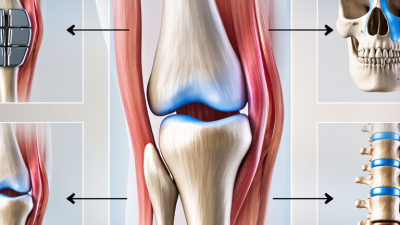
5 Best Osteoarthritis and Knee Replacement Options?
Osteoarthritis is not a minor inconvenience. The World Health Organization’s 2023 fact sheet estimates that 528 million people lived with osteoarthritis worldwide in 2019. Nearly 73% were older than 55. Women represented about 60% of cases. These figures show the scale, but they cannot describe one painful staircase, swollen knee, or sleepless night.
As rheumatologist David T. Felson, MD, has stated, “Osteoarthritis is a disease of the whole joint, not just cartilage.” That perspective matters when comparing osteoarthritis and knee replacement options. The best choice may involve structured exercise, weight management, topical or oral medicines, injections, bracing, partial replacement, or total knee replacement. The American Academy of Orthopaedic Surgeons’ clinical practice guideline supports several nonoperative treatments, including exercise, weight loss for suitable patients, topical NSAIDs, oral NSAIDs, and selected corticosteroid injections. It also cautions against treating every patient with the same intervention.
There is no universal winner.
This guide examines five practical options through symptom severity, imaging, mobility, medical history, recovery demands, and personal goals. The American Joint Replacement Registry’s annual reports also highlight the importance of tracking implant outcomes and revision patterns. Still, registry averages cannot predict an individual recovery. That is where clinical judgment becomes essential. A painful knee may need more than a scan. It needs context, honest expectations, and shared decisions with a qualified clinician. The “best” option may change over time, and that is worth acknowledging.

Understanding Osteoarthritis and When Knee Replacement Is Considered
5 Best Osteoarthritis and Knee Replacement Options?
Osteoarthritis gradually wears down cartilage, causing pain, stiffness, and reduced movement. The World Health Organization reported that 528 million people lived with osteoarthritis worldwide in 2019. Knee disease is especially common. Yet an X-ray alone should not decide treatment. Symptoms, walking ability, sleep, and daily goals matter more.
For many patients, five options deserve discussion: therapeutic exercise, weight management, pain medicines, injections, and knee replacement. Strength training can support the muscles around the knee. Even modest weight loss may reduce joint loading. Topical or oral anti-inflammatory medicines can help, but kidney, stomach, and heart risks require professional review. Injections may offer temporary relief, although results vary. The American Academy of Orthopaedic Surgeons strongly recommends exercise for suitable patients, while noting that evidence differs among treatments.
Replacement is usually considered when pain remains severe, daily activities become difficult, and non-surgical care has not helped enough. NICE guidance supports referral when symptoms substantially affect quality of life. The decision should involve an orthopedic clinician, not pressure from a scan or advertisement. Age alone is not a reliable reason to delay surgery. Recovery demands realistic planning, including walking practice and home support. I would not promise a perfect knee. Most patients seek less pain and better function, not a return to youth. WHO and national guidance also emphasize shared decision-making, but real-world outcomes can differ between individuals.
Comparing Exercise, Weight Management, and Physical Therapy
Osteoarthritis can make a knee feel unreliable, especially on stairs or after sitting. Before considering knee replacement, clinicians usually assess pain, mobility, strength, and daily function. Exercise, weight management, and physical therapy may reduce symptoms and delay surgery for some people. The best approach depends on joint damage, health conditions, work demands, and personal goals.
Low-impact movement often works better than complete rest. Cycling, swimming, and short walks can maintain motion without heavy impact. Strengthening the quadriceps and hip muscles may improve knee stability. Pain should guide progress, not disappear completely. Mild soreness can occur, but sharp or lasting pain deserves medical review. Progress is rarely linear.
Weight management may reduce pressure across the knee during walking. Even modest weight loss can make movement feel easier for some patients. A registered dietitian can help create a realistic eating plan without extreme restrictions. Physical therapy adds structure through supervised exercises, balance training, and movement corrections. A therapist may also suggest a cane or brace when appropriate. Home exercises are useful only when performed consistently and safely. They are not magic. If pain, stiffness, or weakness continues despite several months of treatment, an orthopedic clinician may discuss injections or knee replacement. Recovery expectations should be discussed honestly, because surgery can improve function but still requires rehabilitation.
Reviewing Medicines, Braces, and Injection-Based Treatments
5 Best Osteoarthritis and Knee Replacement Options?
Reviewing Medicines, Braces, and Injection-Based Treatments
Osteoarthritis affects about 528 million people worldwide, according to the World Health Organization’s 2019 report. Knee replacement is valuable for severe pain and disability, but it is not the only path. Medicines, braces, and injections may improve daily movement before surgery becomes necessary. The right choice depends on pain severity, joint damage, activity, and other health conditions.
Topical anti-inflammatory medicines can help localized knee pain with less whole-body exposure. Oral anti-inflammatory medicines may work better, but they can increase stomach, kidney, or cardiovascular risks. The 2019 American College of Rheumatology guideline strongly supports topical and oral options for suitable patients. A brace may reduce pressure during stairs or walking. Fit matters. A loose brace can rub the skin and offer little support. Evidence also varies between unloading and kneecap-focused braces.
Injection treatments require realistic expectations. The American Academy of Orthopaedic Surgeons’ 2021 guideline reports that corticosteroid injections can provide short-term relief. Hyaluronic acid injections show inconsistent benefits and are not recommended routinely by that guideline. Repeated injections may not suit every knee. The evidence is useful, not flawless. Discuss timing, infection risk, blood sugar changes, and surgical plans with a qualified clinician. Pain relief should support exercise and strength work, not replace them.
5 Best Osteoarthritis and Knee Replacement Options? – Reviewing Medicines, Braces, and Injection-Based Treatments
| Option | Best Suited For | Potential Benefits | Typical Duration or Role | Important Limitations and Safety Notes | Evidence Snapshot |
|---|---|---|---|---|---|
| 1. Topical Anti-Inflammatory Medicine | People with mild-to-moderate knee pain who prefer a localized treatment. | May reduce pain with less whole-body exposure than oral anti-inflammatory medicines. | Used regularly as directed; improvement may develop over several days. | Can cause skin irritation. Medical advice is important for people with medication allergies, kidney disease, stomach ulcers, cardiovascular disease, or those taking blood thinners. | Commonly recommended as an initial pharmacological option for knee osteoarthritis. |
| 2. Oral Anti-Inflammatory Medicine | Short-term flare-ups or persistent pain when topical treatment is insufficient. | Often provides stronger whole-joint pain relief than topical treatment. | Generally used at the lowest effective dose for the shortest appropriate period. | May increase the risk of stomach bleeding, kidney problems, fluid retention, high blood pressure, and cardiovascular events. Requires extra caution in older adults and people with kidney, heart, or gastrointestinal conditions. | Effective for pain in many patients, but risk–benefit assessment is essential. |
| 3. Intra-Articular Corticosteroid Injection | Moderate-to-severe pain, swelling, or a short-term flare that limits walking or exercise. | Can provide relatively rapid, temporary reduction in pain and inflammation. | Relief is variable and commonly lasts weeks rather than permanently correcting joint damage. | Possible short-term increase in blood glucose, infection, and post-injection discomfort. Repeated injections should be discussed carefully, particularly when joint replacement may be planned. | Supported for short-term symptom relief; it does not rebuild damaged cartilage. |
| 4. Unloader or Supportive Knee Brace | People with alignment-related pain, especially osteoarthritis concentrated in one side of the knee. | May reduce load on the affected compartment and improve confidence during standing or walking. | Provides benefit while worn; fit and consistent use strongly influence results. | May feel bulky, slip, cause skin pressure, or be difficult to wear for long periods. It does not reverse arthritis and is less useful when pain is widespread throughout the knee. | May improve pain and function in selected patients, but results vary and are usually best combined with exercise. |
| 5. Total Knee Replacement | Severe arthritis with persistent pain, major loss of function, or substantial impact on sleep and daily activities despite non-surgical treatment. | Usually provides substantial long-term improvement in pain and mobility when appropriately indicated. | Major surgery followed by rehabilitation; modern implants often function for many years, but lifespan varies by activity, health, and other factors. | Risks include infection, blood clots, stiffness, persistent pain, nerve or blood-vessel injury, and the possible need for revision surgery. Recovery commonly takes several months. | A well-established option for end-stage knee osteoarthritis after appropriate non-surgical measures have been tried. |
Exploring Partial Knee Replacement and Its Ideal Candidates
5 Best Osteoarthritis and Knee Replacement Options?
Partial knee replacement can suit adults whose osteoarthritis affects only one knee compartment. The disease is often concentrated on the inner side. The outer compartment and kneecap joint should remain reasonably healthy. An intact anterior cruciate ligament also matters. Pain should match the damaged area, not spread across the entire knee.
A specialist usually reviews standing X-rays, movement, ligament stability, and daily symptoms. Picture a patient who climbs stairs with localized inner-knee pain but still bends the knee well. That pattern may support partial replacement. It is not simply a smaller operation. The decision depends on alignment, activity goals, bone quality, and inflammatory conditions. Age alone should not decide candidacy.
The Australian Orthopaedic Association National Joint Replacement Registry 2024 reported approximately 16.6% revision at ten years for unicompartmental replacement, compared with 5.5% for total knee replacement. Revision means another operation, not automatic treatment failure. The National Joint Registry’s 21st Annual Report also found higher revision rates for partial procedures. These figures require careful interpretation. Younger, more active patients may receive partial implants, influencing comparisons. My concern is that “less invasive” can sound universally better. It is not. A thorough assessment should discuss preserved motion, possible faster recovery, and the greater chance of later revision.
5 Best Osteoarthritis and Knee Replacement Options? Exploring Partial Knee Replacement and Its Ideal Candidates
Partial knee replacement is generally considered when osteoarthritis is limited to one knee compartment, the ligaments remain functional, the deformity is correctable, and symptoms persist despite exercise therapy, weight management, medication, or injections. The chart shows approximate 10-year revision-free survival ranges reported in registry and cohort research; outcomes vary by patient selection, surgical technique, age, activity level, and follow-up period.
Sources: National Joint Registry annual reports; published comparative studies of unicompartmental and total knee arthroplasty.
Evaluating Total Knee Replacement, Recovery, and Long-Term Results
For painful knee osteoarthritis, five options deserve careful comparison: exercise therapy, weight management, pain medicines, injections or bracing, and total knee replacement. A clinician should match treatment to pain severity, walking ability, medical history, and imaging. X-rays alone do not decide the right treatment. Daily function matters more.
Total knee replacement may suit people with persistent pain, severe stiffness, and limited movement despite non-surgical care. During surgery, damaged joint surfaces are replaced with artificial components. Hospital stays are often brief, but recovery continues at home. Many patients use a walker early, begin exercises within days, and regain useful strength over several weeks. Swelling can last longer than expected. Progress is rarely perfectly linear.
Long-term results are usually favorable, but replacement is not a permanent guarantee. Many implants function well for 15 to 20 years, depending on activity, body weight, alignment, and overall health. Possible concerns include infection, blood clots, stiffness, persistent pain, or later revision surgery. A common planning mistake is focusing only on the operation date. Preparing the home, strengthening the leg beforehand, and arranging support can influence recovery. It is also reasonable to question whether symptoms truly justify surgery, especially when pain remains manageable. – a personal decision.
Related Posts
-
What Is the Best Knee Surgery for Osteoarthritis?
-

Why Is Knee Replacement Needed for Osteoarthritis?
-

How to Choose Knee Replacement for Osteoarthritis?
-

Why Is Knee Replacement Needed for Arthritis?
-

How to Know If Osteoarthritis Needs Knee Replacement?
-

Top 10 Questions About Arthritis and Knee Replacement
DISCOVER THE POTENTIAL OF INNOVATIVE PROSTHETICS
From minor to severe injuries, our team develops advanced devices designed to support recovery and promote overall wellness.