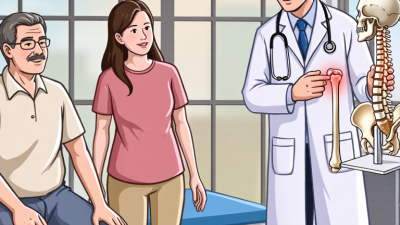
How Does Knee Replacement Help Arthritis?
When knee osteoarthritis wears down cartilage, ordinary movements can become a daily negotiation. A short walk may bring swelling; stairs can make each step feel sharp. Medicines, exercise, and other treatments help many people, but they do not work for everyone. For some, arthritis knee replacement offers another option when pain and stiffness seriously limit daily life.
During knee replacement, a surgeon removes damaged joint surfaces and fits them with artificial components. The aim is to reduce pain and improve movement, not to create a brand-new knee. Orthopedic surgeon Dr. Thomas P. Sculco has described knee replacement as “one of the most successful procedures in medicine.” That encouraging view still needs context. Recovery takes time. Results differ.
This guide explains how the operation may help arthritis, who might consider it, and what recovery can involve. It also looks at possible risks and realistic limits. A replaced knee may make standing, walking, or sleeping more comfortable, but it cannot guarantee painless movement. Some people still notice stiffness or need support during recovery. That part is easy to underestimate. The decision depends on symptoms, health, goals, and a conversation with a qualified clinician—not an X-ray alone. A careful discussion can help patients weigh likely benefits against risks and decide whether surgery fits their situation.

What Arthritis Does to the Knee Joint
In osteoarthritis, the smooth cartilage covering the ends of the thighbone and shinbone gradually wears down. Cartilage helps the joint move with less friction. As it thins, the bones may press more directly against each other, especially when you stand, climb stairs, or rise from a chair. The joint can become painful and stiff. It may also swell after activity. Small changes matter.
The tissues around the joint can react too. The joint lining may become irritated, and the body can form extra bone along the joint edges. These growths, called bone spurs, may limit movement or contribute to aching. Some people notice a grinding or crackling feeling when bending the knee. Others mainly feel stiffness after sitting, or pain that interrupts a walk around the block. Symptoms vary; an X-ray alone does not explain how much discomfort someone feels.
Arthritis can also change how a person moves. To avoid pain, they may lean on the other leg or take shorter steps, sometimes without noticing. Over time, this can make everyday tasks more tiring. Not every sore knee is arthritis, and different forms of arthritis affect joints in different ways. A clinician considers symptoms, movement, and imaging together when assessing the joint.
When Knee Replacement May Be Considered
Knee replacement may be considered when arthritis causes persistent pain and limits everyday activities, despite appropriate non-surgical care. A person may struggle to climb stairs, walk to the shops, or stand long enough to cook. Pain that repeatedly disrupts sleep also matters.
The decision is not based on an X-ray alone. A clinician considers symptoms, examination findings, imaging, general health, and what treatments have already been tried. Not yet? Sometimes physiotherapy, suitable pain relief, activity changes, or walking aids can still help.
Surgery may become a reasonable option when these measures no longer provide enough relief and daily life remains restricted. The expected benefits and risks should be discussed individually, including recovery demands and possible complications. Age by itself does not determine whether someone is suitable; other health conditions and personal goals matter too.
It is easy to focus only on the scan, but that can miss the daily cost of pain. A careful conversation can clarify whether the likely improvement fits the person’s priorities, such as walking around the home or returning to valued activities. The choice may still feel uncertain, and that deserves room in the discussion.
How the Knee Replacement Procedure Works
How Does Knee Replacement Help Arthritis?
How the Knee Replacement Procedure Works
Knee replacement does not remove the entire knee. The surgeon removes worn cartilage and a thin layer of damaged bone from the thighbone and shinbone, then fits smooth metal components over the prepared surfaces. A durable plastic spacer sits between them, helping the joint glide. The kneecap may also be resurfaced, depending on its condition. The operation is usually performed with regional or general anesthesia. AAOS describes it as a procedure intended to reduce pain and improve function when other treatments have not helped enough.
After surgery, staff help patients stand and walk, often with a walker. Physical therapy focuses on safe steps, knee movement, and strengthening; progress varies, and recovery can feel uneven. A 2019 Lancet study by Evans and colleagues estimated that about 82% of total knee replacements remained unrevised after 25 years. That figure describes implant survival, not a guarantee of pain relief or a specific recovery. The details matter.
Tips: Ask your care team what movements to practice at home and how to manage stairs. Keep the path to your bathroom clear, and report worsening redness, fever, or sudden swelling. Recovery is not a straight line.
How Knee Replacement Relieves Arthritis Pain
Arthritis can thin the smooth cartilage that cushions the knee, leaving bone and irritated tissue to take more pressure. During knee replacement, a surgeon removes damaged joint surfaces and fits artificial components over the ends of the thighbone and shinbone. The aim is to reduce painful bone-on-bone contact and help the joint move more comfortably. It is not a new knee. The surrounding muscles and tissues still need time and care.
For some people, pain eases enough to make standing from a chair or walking across a room less difficult. Relief is not instant, though. Swelling, soreness, and stiffness are common during recovery, and guided exercises help rebuild strength and motion. Progress can feel uneven. That can be frustrating. Replacement may not remove every ache, especially when pain has more than one cause. A clinician can explain likely benefits and risks based on the knee, overall health, and daily needs. Recovery varies from person to person, and expectations sometimes need adjusting.
Recovery and Changes in Mobility After Surgery
After knee replacement, mobility returns gradually, not overnight. In the first days, a therapist may help you stand, walk a short distance, and practice bending your knee. A walker or cane can make those early steps steadier. The exercises may feel small, but repeated movement helps rebuild strength and flexibility. Your care team will guide the pace and adjust activities to your progress.
Swelling and stiffness can make walking harder, especially after sitting or sleeping. Progress is not a straight line. That can feel discouraging. Short, frequent walks around the home may be easier than one long outing. Over the following weeks, many people work toward dressing, getting in and out of a car, and using stairs with greater confidence. Recovery varies, so avoid comparing your pace with someone else’s. Follow your surgeon’s movement and wound-care instructions, and ask your care team about new or worsening symptoms. A missed exercise session does not erase your progress, though returning to the plan matters.
How Knee Replacement Can Help Arthritis: Recovery and Mobility
Knee replacement can reduce arthritis-related pain and make activities such as walking and climbing stairs easier. These approximate knee-bending benchmarks are often used during rehabilitation—not guaranteed outcomes or requirements. Recovery varies, so follow your care team's guidance.
Related Posts
-
Top 10 Questions About Arthritis and Knee Replacement
-
China Top Knee Replacement for Osteoarthritis Suppliers
-
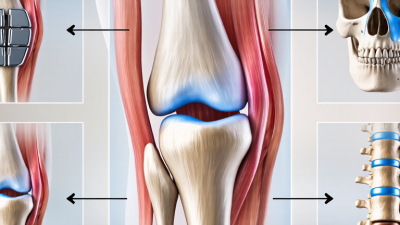
What Is the Best Knee Surgery for Osteoarthritis?
-
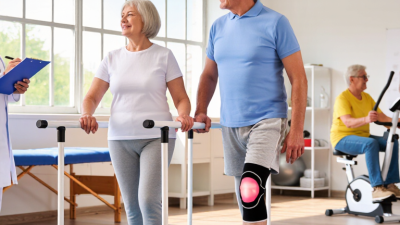
5 Best Osteoarthritis and Knee Replacement Options?
-
7 Tips for Osteoarthritis Knee Surgery Recovery
-
Why Is Knee Replacement Needed for Arthritis?
DISCOVER THE POTENTIAL OF INNOVATIVE PROSTHETICS
From minor to severe injuries, our team develops advanced devices designed to support recovery and promote overall wellness.