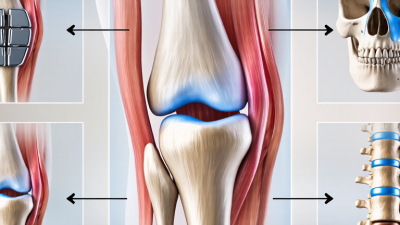
China Top Knee Replacement for Osteoarthritis Suppliers

China has become an important sourcing market for knee replacement for osteoarthritis implants and surgical instruments. Its supplier landscape includes established manufacturers, specialized component producers, and contract medical-device factories. However, a polished catalog does not prove clinical reliability. Buyers must look deeper.

Dr. David L. Lewallen, a recognized joint-replacement specialist at Mayo Clinic, has emphasized, “The decision to have a joint replacement is a shared decision between the patient and the surgeon.” That principle also guides responsible supplier selection. A manufacturer should support surgeons with accurate sizing data, surgical instructions, traceability, and responsive technical service. Product quality matters at every stage, from cobalt-chromium or titanium processing to polyethylene packaging and sterilization controls.

Real-world evaluation is essential. Ask suppliers for quality-management certificates, regulatory documentation, material specifications, inspection records, and evidence of design verification. Confirm whether certificates apply to the actual product, not merely the factory. Check communication speed, batch consistency, complaint handling, and production capacity. Small details matter. A mislabeled tray can delay surgery.

Cost remains attractive in China. It should never be the only reason to choose a supplier. Clinical compatibility, surgeon preference, instrument availability, and long-term support deserve equal attention. Some supplier websites provide limited evidence. That is a weakness worth acknowledging, not ignoring.

This guide examines leading China-based suppliers for knee replacement for osteoarthritis. It compares their manufacturing capabilities, product coverage, quality systems, customization options, and export experience. The goal is practical and balanced: identify credible partners while recognizing that final clinical decisions belong to qualified orthopedic professionals.
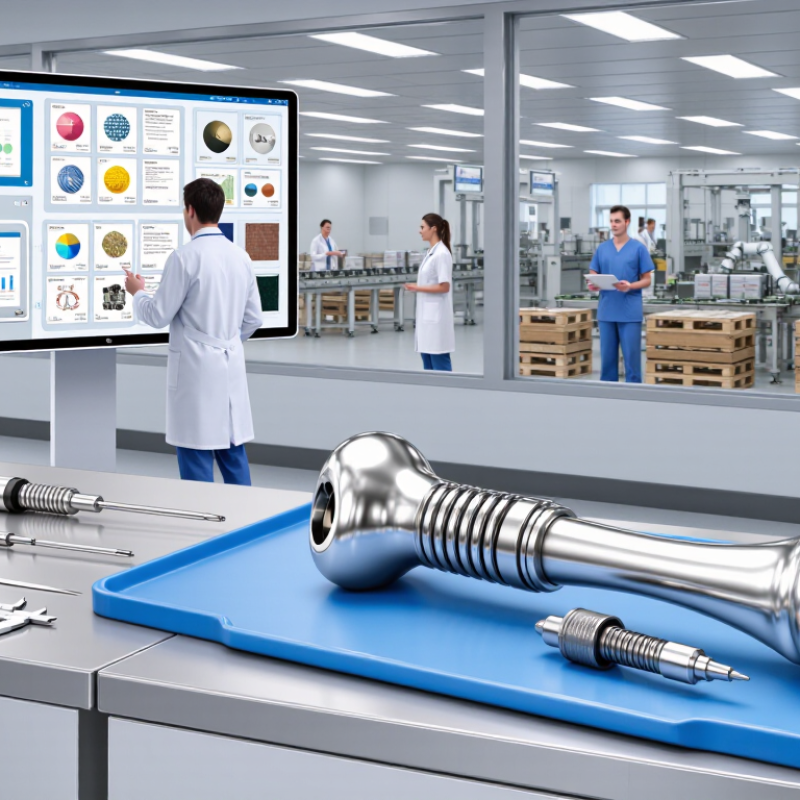
China Top Knee Replacement for Osteoarthritis Suppliers

Osteoarthritis Burden: WHO Estimates 528 Million Cases Worldwide

The World Health Organization estimates that 528 million people worldwide live with osteoarthritis. This burden is not abstract. It can mean pain on stairs, stiff knees after sitting, or difficulty carrying groceries. Knee osteoarthritis often affects older adults, yet previous injuries and heavy joint loading can bring symptoms earlier. Access to reliable care remains uneven.

For patients whose pain and movement loss persist, knee replacement may become an option after clinical evaluation. Suppliers in China contribute to this field through implant components, surgical instruments, and hospital supply chains. Responsible suppliers should provide material specifications, traceability records, sterilization information, and clear quality documentation. They should also support surgeon training and post-market monitoring. A polished catalogue is not enough.

Experienced clinical teams usually compare imaging, walking ability, pain levels, and overall health before recommending surgery. A radiograph alone cannot describe every patient’s daily struggle. That detail matters. Supplier selection should also consider manufacturing consistency, inspection procedures, communication, and timely technical support. Cost is important, but it should not replace evidence or patient safety. Some procurement decisions still focus too heavily on price. That deserves honest review.

Global Osteoarthritis Burden and the Need for Knee Replacement

The estimated number of people living with osteoarthritis increased from approximately 247.5 million in 1990 to 527.8 million in 2019. The World Health Organization rounds the 2019 estimate to 528 million cases worldwide. The growing disease burden, particularly in older populations, increases the need for effective joint-care and knee replacement solutions.

Source: Global Burden of Disease Study 2019; World Health Organization, “Osteoarthritis” fact sheet.

Knee Replacement Demand: China’s Aging Population and Procedure Growth

China Top Knee Replacement for Osteoarthritis Suppliers

China’s aging population is increasing the need for knee replacement procedures. Osteoarthritis often limits walking, climbing stairs, and standing for long periods. In busy hospitals, surgeons are seeing more patients with advanced joint damage and persistent pain.

Procedure growth is not uniform across China. Large cities usually have stronger orthopedic teams, advanced imaging, and better rehabilitation services. Smaller hospitals may face shortages of trained surgeons and follow-up resources. This difference matters when evaluating knee replacement suppliers. Reliable suppliers should provide documented material quality, implant traceability, surgical education, and responsive technical support.

Clinical teams also need evidence beyond sales presentations. Useful evaluation includes implant design, wear performance, sterilization controls, and long-term patient monitoring. Hospitals may review revision rates, operating-room compatibility, and training records before procurement.

Small details matter. A clear lot number can support faster investigation when concerns arise.

Demand is growing, but access remains uneven. That deserves attention. Rising procedure numbers do not automatically mean better care for every older adult. Suppliers and hospitals must consider affordability, rehabilitation capacity, and informed patient choice. Some market forecasts appear confident, yet regional data can be incomplete or difficult to compare. Careful interpretation is essential when planning future purchasing and orthopedic services.

Supplier Evaluation: ISO 13485, NMPA Registration, and Clinical Evidence

China Top Knee Replacement for Osteoarthritis Suppliers

Evaluating a knee replacement supplier requires more than reviewing product images or quoted prices. ISO 13485 certification should cover the actual manufacturing site and relevant devices. Check its certificate scope, validity, audit history, and corrective action records. A reliable supplier should also provide batch traceability, sterilization controls, and documented material inspections.

NMPA registration is equally important for products marketed in China. Verify the registration number through the official database, then compare the approved model, intended use, and manufacturing address. Registration status can change. Certificates may also exclude a specific implant size or accessory. This detail is often missed.

Clinical evidence should match osteoarthritis treatment, implant design, and patient population. Request clinical trial reports, peer-reviewed studies, follow-up periods, revision rates, and complication data. Three-year results are useful, but longer observations offer stronger confidence. Post-market surveillance records can reveal problems that laboratory tests miss. Still, evidence quality varies. A supplier may present favorable outcomes while omitting difficult cases. I would ask for the full study protocol, not only selected charts. Surgeons should also review surgical instruments, training support, and complaint response procedures before procurement. Numbers help, but they never replace careful clinical judgment.

Leading Chinese Suppliers: Implant Design, Materials, and Market Data

China Top Knee Replacement for Osteoarthritis Suppliers

Leading Chinese suppliers are gaining attention for knee implants designed for osteoarthritis treatment. Their product lines often include cruciate-retaining and posterior-stabilized systems. Some suppliers also develop patient-specific instruments and porous surfaces for bone integration. Common materials include cobalt-chromium alloys, titanium, and ultra-high-molecular-weight polyethylene. Material traceability matters. So does consistent machining.

Experienced buyers should review implant geometry, alignment tools, wear testing, and sterilization records. Supplier evaluation should include ISO 13485 certification, clinical evidence, complaint handling, and manufacturing audits. Market data can reveal more than sales volume. Compare hospital tender activity, export destinations, revision rates, product registration status, and surgeon training coverage. Public data may be incomplete. That is a weakness worth acknowledging. A low revision figure may reflect short follow-up periods, not superior performance.

Tips: Request batch-level material certificates and recent inspection reports. Ask how suppliers manage design changes. Review independent test results, not only brochures. Compare five-year clinical outcomes when available. Visit the production site if possible. Small details matter, such as instrument fit and packaging clarity. Procurement teams should also check local regulatory requirements before purchase. Cost is important, but unreliable documentation can create larger clinical and financial risks.

Implant Performance: Over 90% Survivorship at 15 Years in Studies

China Top Knee Replacement for Osteoarthritis Suppliers

For patients with advanced osteoarthritis, implant survivorship matters beyond the operating room. Several clinical studies report over 90% survivorship at 15 years for selected knee replacement systems. This figure usually means the implant avoided revision surgery during follow-up. It does not guarantee painless movement for every patient.

Reliable suppliers should provide documented clinical evidence, material specifications, and manufacturing traceability. Surgeons may review cobalt-chromium components, polyethylene inserts, fixation methods, and sterilization records. Practical details matter too. A clearly labeled tray can reduce confusion during a busy procedure. Consistent sizing supports accurate alignment and balanced ligament tension.

Long-term performance depends on more than the implant itself. Patient weight, activity level, bone quality, surgical technique, and rehabilitation all influence outcomes. Registry data can reveal performance across larger populations. However, study results may differ because follow-up periods, patient groups, and revision definitions are not identical. A 15-year survivorship rate is useful, but it needs context.

There is room for caution. Some studies involve experienced centers and carefully selected patients. Real-world results may be less uniform. Suppliers should therefore share complete data, not only attractive percentages. Independent testing, post-market monitoring, and transparent communication help hospitals judge quality with greater confidence. Patients also deserve clear explanations about possible wear, stiffness, infection, and future revision needs.

DISCOVER THE POTENTIAL OF INNOVATIVE PROSTHETICS

From minor to severe injuries, our team develops advanced devices designed to support recovery and promote overall wellness.

Contact Us