7 Tips for Osteoarthritis Knee Surgery Recovery

Recovering from osteoarthritis knee surgery is rarely a straight line. One morning, your knee may feel steady; by evening, swelling can make the stairs seem much higher. This guide explores seven practical recovery tips grounded in common orthopedic rehabilitation principles and real-world patient experiences.

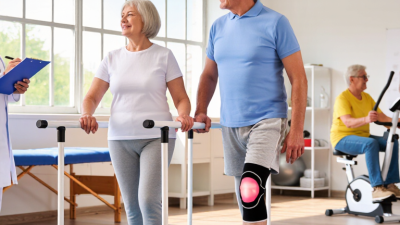
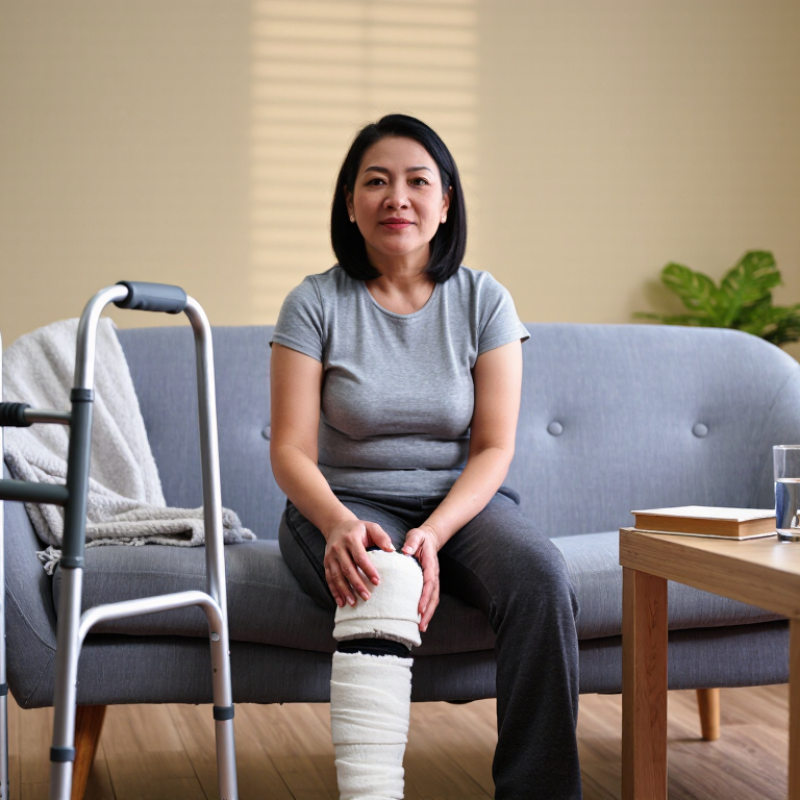
The early days often involve a walker, prescribed pain relief, gentle exercises, and carefully protected sleep. A cold pack wrapped in a towel may ease discomfort after activity. However, more exercise is not always better. Your surgeon or physical therapist should guide movement, weight-bearing, wound care, and medication decisions. Their instructions matter more than general advice found online.

Recovery takes patience.

The article will explain how to manage swelling, follow physical therapy, protect the incision, and return gradually to everyday activities. It will also discuss safe walking habits, nutrition, rest, and warning signs that deserve prompt medical attention, such as increasing redness, drainage, fever, calf pain, or sudden breathlessness. These symptoms should never be dismissed as normal soreness.

Progress can feel uneven. That is normal, but not every problem should be ignored. Some patients expect rapid improvement and become discouraged when stiffness remains after several weeks. Others push too hard because they fear falling behind. Both reactions deserve reflection. A reliable recovery plan balances movement with rest and adapts to your medical history, surgical technique, age, and home environment. Use these tips as supportive information, not a replacement for personalized clinical care.
7 Tips for Osteoarthritis Knee Surgery Recovery

Preparing for Osteoarthritis Knee Surgery and Setting Recovery Goals

7 Tips for Osteoarthritis Knee Surgery Recovery

Preparing for osteoarthritis knee surgery starts before the hospital visit. Ask the orthopedic surgeon what movement limits, pain control options, and warning signs to expect. Write these instructions down. Memory can be unreliable after anesthesia. Arrange a firm chair, clear walking paths, and frequently used items at waist height. A shower seat and stable handrail may reduce fall risks. Confirm who can help with meals, transport, and medication schedules during the first week.

Set recovery goals that are specific and flexible. A useful early goal may be standing safely, rather than walking a long distance. Track swelling, sleep, pain levels, and exercise completion in a simple notebook. Physical therapy usually guides strength and range-of-motion work. Follow the prescribed program, but do not force a swollen joint. Ice, elevation, and rest may help when approved by the care team. Small progress counts.

Pain often changes from morning to evening. That can feel discouraging. Recovery is rarely perfectly linear. I have seen patients expect a strong knee within days, then feel disappointed by normal stiffness. Discuss realistic milestones with the surgeon and physical therapist. Contact the medical team about increasing redness, drainage, fever, calf swelling, chest pain, or sudden breathlessness. Do not change medication doses without professional advice. Keep follow-up appointments, even when improvement seems slow.

Managing Pain, Swelling, and Wound Care After Surgery

7 Tips for Osteoarthritis Knee Surgery Recovery

After knee replacement, pain and swelling can change by the hour. Keep the leg elevated above heart level for short periods. Use ice wrapped in a thin towel, not directly on skin. The American Academy of Orthopaedic Surgeons reports that postoperative swelling may last several months. Gentle ankle pumps can support circulation. Walk as instructed, but do not chase pain. Short, frequent walks usually work better than one exhausting session. I would not ignore a sudden setback.

Take prescribed pain medicine exactly as directed. Do not wait until severe pain makes movement impossible. Ask your surgical team about constipation, drowsiness, and safe medication timing. A 2022 review in the Journal of Arthroplasty linked multimodal pain management with better early recovery after total knee arthroplasty. However, evidence varies between patients. Your response may not match a neighbor’s experience.

Keep the incision clean and dry as instructed. Do not apply creams, powders, or home remedies without medical approval. Check daily for spreading redness, increasing warmth, pus, wound opening, or fever. AAOS patient guidance states that deep infection after knee replacement occurs in fewer than 2 percent of patients. Call promptly if symptoms appear. Seek urgent care for chest pain, sudden breathlessness, or a painful swollen calf. Healing is rarely perfectly linear. Recovery requires adjustment, not stubbornness.

7 Tips for Osteoarthritis Knee Surgery Recovery - Managing Pain, Swelling, and Wound Care After Surgery
Tip Recovery Focus What to Do Typical Timing or Measure When to Seek Medical Advice
1 Follow the prescribed pain-control plan Take pain medicine exactly as directed. Tell the surgical team if pain remains severe, suddenly worsens, or prevents sleep, walking, or prescribed exercises. Do not combine medicines or exceed the recommended dose without medical advice. First days to weeks
Use medicines and other measures according to the discharge instructions.
Contact the care team for uncontrolled pain, severe medication side effects, unusual drowsiness, breathing difficulty, or an allergic reaction.
2 Control swelling with elevation and cold therapy Elevate the leg when resting, keeping the knee supported as instructed. Apply a covered cold pack rather than placing ice directly on the skin. Check the skin regularly and follow the surgeon’s instructions about duration and frequency. Especially during the first 1–2 weeks
Swelling can continue for several weeks and may increase after activity.
Seek prompt advice for rapidly increasing swelling, severe calf pain, new shortness of breath, chest pain, or a foot that becomes unusually cold, pale, blue, or numb.
3 Keep the incision clean and dry Follow the wound-care instructions for dressings, bathing, and showering. Wash your hands before touching the dressing or incision. Do not apply creams, powders, or antiseptics unless specifically advised. Until the incision has healed
Keep scheduled wound checks and follow instructions about dressing changes.
Report increasing redness, warmth, drainage, foul odor, wound separation, worsening tenderness, or a fever as advised by the surgical team.
4 Begin safe movement and physical therapy Perform the exercises provided by the physiotherapist, focusing on gradual range of motion, strength, and safe walking. Increase activity step by step rather than pushing through sharp or escalating pain. Usually begins soon after surgery
The exact program depends on the operation, health status, and surgeon or therapist instructions.
Pause and contact the care team if exercise causes marked swelling, severe pain that does not settle, new weakness, or loss of movement.
5 Use walking aids correctly Use crutches, a walker, or a cane as instructed. Wear supportive, non-slip footwear and remove trip hazards at home. Do not drive until cleared and able to control the vehicle safely. During the early recovery period
Weight-bearing limits and aid duration vary by procedure and individual recovery.
Ask for help if the knee gives way, walking becomes less stable, or you cannot safely manage stairs or transfers.
6 Prevent blood clots and constipation Take prescribed blood-thinning medicine if ordered, move the ankle and walk as permitted, drink adequate fluids unless restricted, and include fiber-rich foods. Avoid prolonged sitting without moving. From discharge until mobility improves
Follow the prescribed duration for clot-prevention treatment.
Get urgent medical help for sudden breathlessness, chest pain, coughing blood, or one-sided leg swelling and pain. Report persistent constipation or unusual bleeding.
7 Attend follow-up visits and pace recovery Keep follow-up appointments so the incision, swelling, movement, and rehabilitation plan can be reviewed. Balance short periods of activity with rest, maintain a nutritious diet, and set gradual weekly goals. Across the first several weeks and months
Recovery speed varies; progress is usually gradual rather than linear.
Contact the surgical team for new or worsening symptoms, persistent wound problems, fever, or a recovery pattern that is moving backward rather than improving.
Important: Recovery instructions differ according to the type of knee surgery and individual medical conditions. The surgeon’s discharge instructions take priority. Emergency symptoms such as severe breathing difficulty, chest pain, or sudden neurological changes require immediate emergency care.

Restoring Knee Movement Through Safe Rehabilitation Exercises

7 Tips for Osteoarthritis Knee Surgery Recovery

Restoring knee movement begins with small, controlled actions. The World Health Organization reported that osteoarthritis affected 528 million people worldwide in 2019. After surgery, follow your surgeon’s weight-bearing instructions and work with a licensed physical therapist. Try ankle pumps, gentle quadriceps squeezes, and supported heel slides. Keep each movement slow. Never force a stiff knee.

Aim for short exercise sessions several times daily. A 2022 evidence-based guideline from the American Academy of Orthopaedic Surgeons supports strengthening and low-impact aerobic activity for knee osteoarthritis management. In recovery, this may include a walking frame, stationary cycling without resistance, or water-based exercise after wound healing. Increase distance gradually. Do not chase pain.

Watch the knee’s response overnight. Mild swelling can occur, but increasing redness, drainage, fever, calf pain, or sudden breathlessness requires urgent medical advice. Ice may help when wrapped in a cloth. Elevate the leg comfortably. Avoid twisting, deep squats, and kneeling until cleared. Recovery is rarely linear. Some days feel strangely slow. That is not failure. A better plan may involve fewer repetitions, longer rest, or another therapist review. Record walking time, swelling, and bending range, then share those details during appointments.

7 Tips for Osteoarthritis Knee Surgery Recovery

Restoring Knee Movement Through Safe Rehabilitation Exercises

The chart shows approximate knee-flexion milestones commonly used during the first six weeks after knee surgery. Progress varies by procedure, age, health, pain, and rehabilitation plan.

Prioritize gentle range-of-motion exercises, short walks, quadriceps activation, ankle pumps, swelling control, rest, and guidance from your surgeon or physical therapist. Stop and seek medical advice if pain, swelling, redness, wound drainage, or fever worsens.

Using Mobility Aids and Preventing Recovery Complications

Knee surgery recovery depends on safe movement, not speed. Tip 1: Use your walker or crutches exactly as your surgical team teaches. Keep the aid close, and place all four walker legs firmly before stepping. Tip 2: Take several short walks daily. Stop when pain changes your gait. The AAOS Clinical Practice Guideline on surgical rehabilitation supports structured exercise and progressive mobility after knee replacement.

Tip 3: Remove loose rugs, electrical cords, and low furniture before returning home. Install bright night lighting near the bathroom. Falls can interrupt healing; the CDC reports that more than 3 million older adults receive emergency treatment for fall injuries each year. Tip 4: Practice stairs only with clearance from your clinician. Keep one hand on the rail and move slowly. Small steps count.

Tip 5: Check the incision each day for spreading redness, drainage, fever, or worsening warmth. Tip 6: Report sudden calf swelling, chest pain, or unusual breathlessness immediately. These symptoms may indicate serious complications, including blood clots. Tip 7: Follow the medication and physical therapy plan, even when stiffness improves. Do not adjust doses independently. The American Association of Hip and Knee Surgeons emphasizes early activity, wound monitoring, and individualized follow-up. I would not pretend recovery is perfectly predictable. Some days feel weaker. That is useful feedback, not failure. Document pain, walking distance, swelling, and questions before each appointment.

Returning Gradually to Daily Activities and Long-Term Knee Care

After osteoarthritis knee surgery, daily life usually returns in small, uneven steps. Follow your surgeon’s and physical therapist’s instructions, because recovery differs between patients. Begin with short, supported walks. Use your walker or cane until your gait feels steady. Practice sit-to-stand movements from a firm chair. Keep frequently used items within easy reach. Do not rush stairs, bathing, or driving. Your clinical team should confirm when these activities are safe.

Swelling Swelling can increase after exercise or a busy day. Elevate the leg, use cold therapy as instructed, and allow regular rest periods. Gentle ankle pumps may support circulation, but stop if pain sharply worsens. Progress exercises gradually, even when motivation is high. A common mistake is treating one good morning as proof that the knee is fully healed. Recovery is not perfectly linear. Some days feel disappointing.

Long-term knee care depends on consistent habits rather than intense effort. Keep attending follow-up appointments and report increasing redness, drainage, fever, calf pain, or sudden breathlessness promptly. Once cleared, build strength through prescribed exercises and low-impact activities such as walking, cycling, or water exercise. Maintain a healthy weight when possible, and choose supportive footwear with stable soles. Track pain, swelling, walking distance, and sleep for several weeks. This record can help your clinician adjust your rehabilitation plan. Do not ignore persistent stiffness or instability, even if the discomfort seems manageable.

DISCOVER THE POTENTIAL OF INNOVATIVE PROSTHETICS

From minor to severe injuries, our team develops advanced devices designed to support recovery and promote overall wellness.

Contact Us