2026 Top Types of Knee Replacement for Osteoarthritis?

Knee replacement for osteoarthritis is not a single operation. The right approach depends on which parts of the knee are damaged, how symptoms affect daily life, and a person’s overall health. A scan may show wear, but it does not make the decision alone.

This guide compares the main options for 2026: total knee replacement, partial knee replacement, and patellofemoral replacement. Total replacement resurfaces the knee’s major compartments. Partial replacement treats disease limited to one compartment and may preserve more healthy tissue. Patellofemoral replacement can be considered when damage is mainly behind the kneecap. It is a narrower option. Implant materials and cemented or cementless fixation also differ, but they are design choices—not separate types of osteoarthritis.

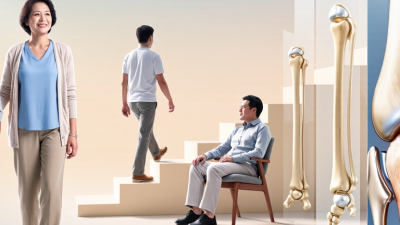
There is no universal “best” implant. Age, bone quality, ligament stability, activity goals, and the surgeon’s assessment all matter. So does recovery support at home. A walker beside the bed, stairs at the front entrance, or difficulty attending physical therapy can shape practical planning. These details deserve discussion before surgery.

Benefits and risks need equal attention. Replacement can reduce pain and improve movement for many people, yet recovery takes time and complications are possible. Results vary. This overview explains what each procedure generally addresses and what questions to raise with an experienced orthopedic surgeon. It cannot determine which operation is suitable for an individual; that requires a clinical evaluation, including symptoms and imaging.
2026 Top Types of Knee Replacement for Osteoarthritis?

How Knee Replacement Treats Osteoarthritis

How Knee Replacement Treats Osteoarthritis

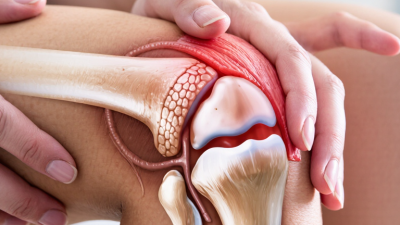
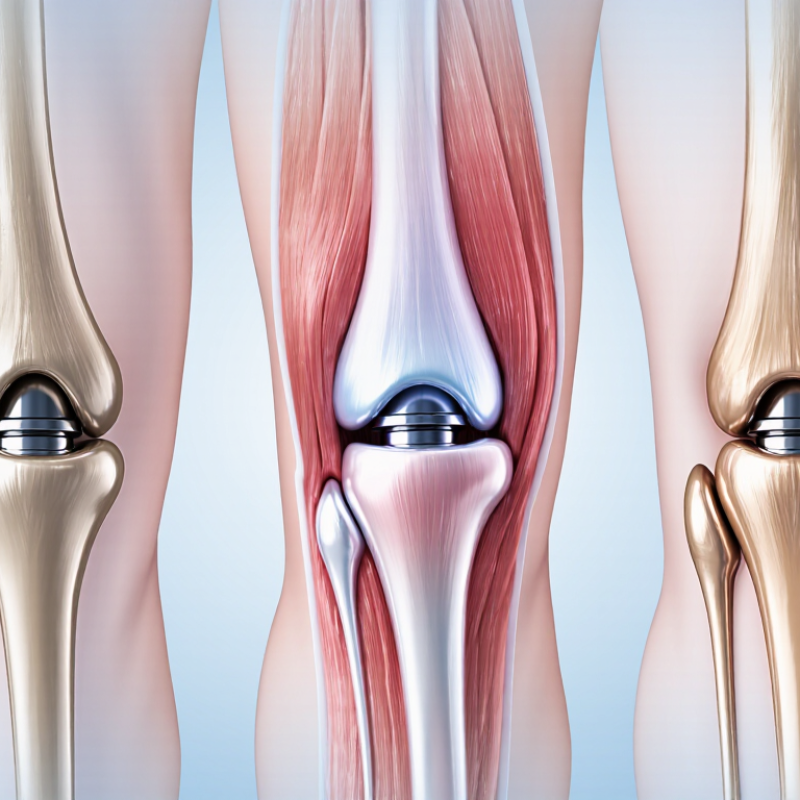
Osteoarthritis gradually wears down the smooth cartilage covering the knee bones. Without that cushion, walking, climbing stairs, or standing up can cause pain and stiffness. Knee replacement removes damaged surfaces and covers the bone ends with artificial components, helping them move more smoothly.

Pain can ease. The operation does not restore natural cartilage, and results vary.

For severe arthritis affecting most of the joint, total knee replacement resurfaces the main knee compartments. If damage is limited to one area, a partial replacement may preserve more healthy bone and tissue. Imaging, symptoms, overall health, and an examination help a clinician assess which option may fit.

Surgery can improve daily function, but it carries risks, and recovery often involves wound care, pain management, and regular physical therapy. Progress may feel uneven. The decision is rarely tidy.

Tips: Before surgery, ask what activities are realistic during recovery and how long support at home may be needed. Follow your care team’s movement and exercise plan; increasing activity too quickly can aggravate discomfort. Recovery takes work.

Total Knee Replacement: Replacing the Entire Joint Surface

Total Knee Replacement: Replacing the Entire Joint Surface

For advanced knee osteoarthritis, total knee replacement resurfaces the worn ends of the thighbone and shinbone. A surgeon removes damaged cartilage and a small amount of underlying bone, then fits components that create smoother joint surfaces. The kneecap’s underside may also be resurfaced, depending on the person’s condition. It is not a replacement of the entire knee or leg. Some ligaments remain; others may be adjusted or removed to balance the joint.

The goal is to reduce pain and improve everyday movement, such as standing from a chair or walking across a room. Results and recovery vary. Age, general health, muscle strength, and rehabilitation all matter. Surgery is usually considered when osteoarthritis causes substantial symptoms and other treatments have not helped enough. Imaging alone does not decide. A clinician should weigh scan findings against pain, mobility, and personal goals. Even then, the choice can feel uncertain.

Tips: Before surgery, ask which joint surfaces will be replaced and whether the kneecap is likely to be resurfaced. Arrange a clear rehabilitation plan, and prepare a safe route at home, especially around stairs and loose rugs. Keep expectations realistic: swelling and stiffness can last for weeks, and progress may not be perfectly steady.

Partial Knee Replacement: Treating One Damaged Compartment

Partial Knee Replacement: Treating One Damaged Compartment

Partial knee replacement may be an option when osteoarthritis affects only one of the knee’s three compartments. The surgeon replaces the damaged surfaces while preserving healthier bone, cartilage, and ligaments. That distinction matters. Some people appreciate that the knee can feel more natural, but results vary and no operation can guarantee a particular outcome.

Suitability depends on more than an X-ray. Clinicians consider pain, knee stability, movement, and whether the other compartments remain healthy. Weight-bearing images can help show where joint space has narrowed. Not for everyone. If arthritis is widespread, or the knee is significantly unstable, total knee replacement or other care may be more appropriate. A careful assessment helps guide that choice.

Recovery often includes standing or walking soon after surgery, followed by exercises to restore strength and movement. The pace differs from person to person. Risks include infection, blood clots, stiffness, and arthritis progressing in an unreplaced part of the knee. A partial implant may later need revision, too. It is worth asking the surgeon what findings support this option, what alternatives exist, and what recovery could realistically involve for your health and daily routine.

Patellofemoral Replacement: Resurfacing the Kneecap Joint

Patellofemoral replacement treats osteoarthritis limited to the joint between the kneecap and thighbone. When cartilage wears away there, bending the knee can cause pain, grinding, or difficulty climbing stairs. In surgery, the damaged surface beneath the kneecap and the groove it moves through are resurfaced with implants. The rest of the knee is left intact if it is healthy. It is not a total knee replacement.

This procedure may suit people with persistent kneecap-area pain despite nonsurgical care, such as physical therapy and appropriate medication. But symptoms alone cannot confirm where arthritis is located. A clinician may assess knee movement and use X-rays, sometimes with other imaging, to check the affected compartment. Widespread arthritis, substantial alignment problems, or damage elsewhere in the knee may make this option less suitable.

A partial replacement can preserve more bone and natural knee structures than a total replacement. Results still depend on careful patient selection, and arthritis may later develop in untreated areas. Risks include ongoing pain, stiffness, infection, and blood clots. Recovery takes work. Guided exercises help restore movement and strength, though progress varies. Discuss expected benefits, alternatives, and personal risks with an orthopedic specialist before deciding.

2026 Top Types of Knee Replacement for Osteoarthritis? - Patellofemoral Replacement: Resurfacing the Kneecap Joint

Dimension Patellofemoral Replacement Clinical Context
Also known as Patellofemoral arthroplasty (PFA) or patellofemoral joint replacement A partial knee replacement focused on the joint between the kneecap and the thigh bone.
Joint surfaces treated The damaged surface behind the kneecap and the matching groove (trochlea) at the end of the femur are resurfaced with prosthetic components. The implant replaces the affected contact surfaces rather than the entire knee joint.
Structures generally preserved The medial and lateral tibiofemoral compartments are retained if they are sufficiently healthy. Preserving these compartments distinguishes PFA from total knee replacement.
Typical osteoarthritis pattern Advanced osteoarthritis mainly confined to the patellofemoral joint, with little or no clinically significant arthritis in the other knee compartments. Imaging and examination are used to assess whether disease is truly isolated.
Symptoms it may address Pain at the front of the knee, especially with activities that load the kneecap joint, such as stairs, squatting, or rising from a chair. These symptoms can have other causes, so they do not by themselves establish eligibility for surgery.
Potential candidates People with persistent symptoms from isolated patellofemoral osteoarthritis despite appropriate non-surgical treatment, whose remaining knee compartments and knee mechanics are suitable. Suitability is determined individually by an orthopaedic specialist.
When it may be unsuitable Widespread tibiofemoral osteoarthritis, significant inflammatory joint disease, or substantial untreated problems with alignment, stability, or kneecap tracking may make PFA a poor fit. The relevance of each factor depends on the individual assessment and treatment plan.
Potential advantage Because it replaces only the affected compartment, it preserves more of the knee’s native joint surfaces than a total knee replacement. This is an anatomical distinction, not a guarantee of faster recovery or better results for every patient.
Important limitation Osteoarthritis can later develop or become symptomatic in the preserved parts of the knee; some patients may eventually need further surgery, including conversion to total knee replacement. The possibility and timing vary; an individual outcome cannot be predicted from the procedure name alone.
Recovery and rehabilitation Rehabilitation commonly focuses on restoring knee movement, strength, walking ability, and function according to the surgeon’s instructions. Recovery varies with health, surgical details, and rehabilitation progress; no single timeline applies to everyone.
Decision-making PFA is one option for carefully selected cases of isolated patellofemoral osteoarthritis. A clinician can compare it with continued non-surgical care, other procedures, or total knee replacement based on symptoms, examination, and imaging.

How Surgeons Select the Appropriate Knee Replacement Type

Choosing a knee replacement starts with understanding where osteoarthritis has damaged the joint. Surgeons review standing X-rays, examine knee movement, and ask which activities trigger pain. A knee that hurts on stairs may tell a different story from one that aches during every step. No scan tells the whole story.

The pattern of damage helps guide the choice between partial and total knee replacement. A partial replacement may suit someone whose arthritis is limited to one compartment and whose supporting ligaments work well. When damage affects several compartments, a total replacement may be more appropriate. These are not automatic rules. Alignment, ligament stability, previous surgery, bone quality, and other health conditions also matter.

Age and activity level are part of the discussion, but neither should decide the operation alone. A surgeon may ask whether a patient hopes to walk comfortably around the block, return to gardening, or manage a physically demanding job. Those details help set realistic goals. So does discussing risks, recovery demands, and what the operation may not fix. The decision should follow an examination and imaging, with the patient’s priorities included. Sometimes the choice remains difficult, and a second opinion can help clarify it.

DISCOVER THE POTENTIAL OF INNOVATIVE PROSTHETICS

From minor to severe injuries, our team develops advanced devices designed to support recovery and promote overall wellness.

Contact Us