How to Know If Bone on Bone Knee Needs Surgery in 2026?
A “bone-on-bone” finding can sound like an automatic reason for surgery, but an X-ray alone cannot make that decision. The image may show very little space between the bones, while your daily pain and mobility tell a different part of the story. Some people struggle to walk across a room. Others still manage stairs, errands, or gentle exercise. That difference matters.
This guide explains how clinicians assess whether knee surgery for bone on bone may be appropriate in 2026. It looks at pain, stiffness, sleep disruption, walking distance, and how symptoms affect ordinary tasks. It also considers examination findings, imaging, overall health, and treatments already tried, such as physical therapy, medication, or activity changes. No single symptom or scan settles the question. Not by itself.
A surgeon may discuss knee replacement when severe arthritis continues to limit life despite suitable nonsurgical care. But the decision should reflect your goals, risks, and medical history—not just a dramatic phrase in a report. Ask what the images show, which options remain, and what recovery could involve. The answer may take more than one appointment. That is normal. Some uncertainty deserves a careful conversation, not a quick yes or no.

What “Bone-on-Bone” Knee Arthritis Means
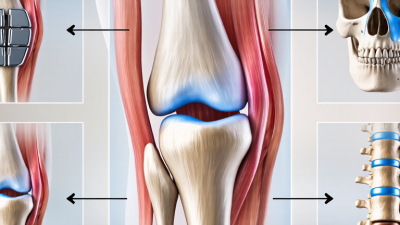
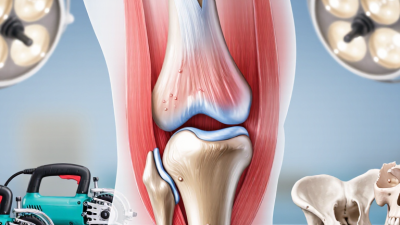
“Bone-on-bone” is an informal description of severe knee osteoarthritis on an X-ray. It usually means the cartilage has worn down enough to narrow the space between the thighbone and shinbone. On a weight-bearing image, that gap may look almost gone. It is not a literal diagnosis, and the phrase does not reveal how much pain someone feels.
Symptoms and X-ray findings do not always match. A 2008 systematic review in BMC Musculoskeletal Disorders found that reported knee pain affected 15% to 81% of people with radiographic osteoarthritis across studies. The wide range reflects differences in study methods, but it highlights an important point: an image alone cannot decide whether surgery is needed. Clinicians also consider pain, walking ability, sleep, examination findings, and whether other treatments have helped. A nearly closed joint space can matter. It is not destiny.
Tips: Ask your clinician to explain the X-ray alongside your symptoms. Note how far you can walk, whether stairs hurt, and what you have tried. Surgery decisions are personal; persistent limits despite appropriate nonsurgical care deserve a careful discussion, not a rushed conclusion.
Which Symptoms Suggest Severe Knee Joint Damage?
Severe knee joint damage may cause deep pain during ordinary tasks, such as standing from a chair or walking across a room. Pain that persists at rest or wakes you at night deserves medical attention, especially when it keeps returning. Other warning signs include ongoing swelling, stiffness after sitting, reduced bending or straightening, and a knee that buckles or feels unreliable. Some people notice their legs becoming visibly bowed. Symptoms vary, though; a scan alone cannot show how much the knee limits your life.
Tips: Note when pain starts, how far you can walk, and whether swelling or stiffness changes during the day. Bring these details to a clinician. A warm, suddenly swollen knee with fever needs prompt medical assessment.
A clinician can compare your symptoms with a physical examination and imaging. X-rays may show severe cartilage loss, but “bone on bone” does not automatically mean surgery is needed. It can be frustrating: one person’s scan looks alarming, while daily function remains fairly good. Surgery may be discussed when pain and mobility problems are substantial and nonsurgical care has not helped enough. The decision should reflect your health, goals, and expected benefits and risks—not one image alone.
How to Know If Bone-on-Bone Knee Needs Surgery in 2026
Symptoms that may indicate severe knee joint problems include persistent pain, stiffness, and difficulty with everyday activities. This chart shows the number of questions in each domain of the standard 24-item WOMAC questionnaire—not symptom severity or a threshold for surgery.
When to seek an evaluation: Talk with a healthcare professional if knee pain is persistent or severe, limits walking or other daily activities, or comes with substantial stiffness. Surgery decisions depend on symptoms, examination, imaging, overall health, and whether nonsurgical treatments have helped; a scan alone does not determine the need for surgery.
How Doctors Assess Whether Knee Surgery Is Needed
An “bone-on-bone” X-ray can look alarming, but doctors do not recommend knee replacement from an image alone. They ask how pain affects walking, sleep, stairs, work, and daily tasks. The exam may check swelling, tenderness, range of motion, alignment, and stability. Weight-bearing X-rays can reveal joint-space loss and bone changes. X-rays matter. They do not decide alone.
The CDC’s 2019 National Health Interview Survey estimated that 53.2 million U.S. adults had doctor-diagnosed arthritis. That broad figure provides context, not a surgical threshold. The 2023 ACR/AAHKS guideline focuses on people with moderate-to-severe osteoarthritis symptoms who have tried nonoperative care and chosen joint replacement. For these patients, it conditionally advises against delaying surgery just to repeat treatments such as physical therapy, anti-inflammatory medicines, walking aids, or injections.
Doctors also review overall health, treatment history, and the patient’s goals. They may discuss risks linked to other health conditions and what recovery could involve. A person who can still manage daily activities may reasonably choose more time or symptom relief. Another person with persistent pain and shrinking mobility may consider surgery sooner. The judgment is not perfectly neat. Ask what the X-ray explains, what it cannot explain, and which findings make surgery reasonable in your case.
What Treatments to Try Before Considering Surgery
How to Know If Bone on Bone Knee Needs Surgery in 2026?
What Treatments to Try Before Considering Surgery
“Bone on bone” on an X-ray can sound alarming. But the image alone does not determine whether surgery is needed. Clinicians also consider pain, walking ability, sleep, knee function, and response to treatment. The 2019 American College of Rheumatology/Arthritis Foundation guideline strongly recommends exercise and, when appropriate, weight loss for knee osteoarthritis. Supervised strengthening or low-impact activities, such as cycling, can be practical starting points. Progress may be slow.
Evidence supports giving these steps a fair trial. In the 18-month IDEA clinical trial, 454 adults with knee osteoarthritis and excess weight were assigned to diet, exercise, or both. Participants in the combined program lost an average of 11.4% of their body weight. The researchers also reported less knee pain in the diet-and-exercise group than in the exercise-only group. Results vary, and weight loss is not suitable or necessary for everyone. A clinician can help tailor care.
Tips: Ask a physical therapist to demonstrate safe thigh-strengthening exercises. Consider topical anti-inflammatory medicine if a clinician or pharmacist confirms it is appropriate for you. Keep a simple weekly note of pain, walking distance, and sleep. If these measures do not restore meaningful function, discuss benefits and risks of surgery with an orthopedic specialist.
How to Know If Bone-on-Bone Knee Needs Surgery in 2026? — What Treatments to Try Before Considering Surgery
| Decision area | What to assess or try | What the evidence or clinical guidance indicates | When to discuss the next step |
|---|---|---|---|
| X-ray findings | Review weight-bearing knee X-rays alongside symptoms, physical examination, and daily function. | “Bone-on-bone” usually describes severe loss of joint space on imaging. The X-ray alone does not determine whether surgery is needed; some people have severe imaging changes but manageable symptoms. | Ask for an individualized assessment if pain, stiffness, or reduced mobility is affecting everyday activities. |
| Exercise and physical therapy | Try a tailored program of strengthening, low-impact aerobic activity, and range-of-motion work; a physical therapist can adapt exercises to pain and mobility. | Therapeutic exercise is a core treatment for knee osteoarthritis. Starting gradually and keeping activity consistent can improve strength and function, even when X-rays show advanced changes. | Review the plan if exercises repeatedly cause substantial or prolonged worsening of symptoms. |
| Weight management, if appropriate | If you have overweight or obesity, discuss a sustainable nutrition and activity plan with a healthcare professional. | Weight reduction can lessen knee loading and improve pain and function for people with knee osteoarthritis who are above a healthy weight. Benefits generally increase with greater weight loss. | Consider support from a clinician or dietitian if weight, nutrition, or other health conditions make a plan difficult. |
| Topical anti-inflammatory medicine | Ask whether a topical nonsteroidal anti-inflammatory drug (NSAID) is suitable; follow its directions and avoid applying it to broken skin. | Topical NSAIDs are commonly recommended as a medication option for knee osteoarthritis because they can relieve pain with less whole-body exposure than oral NSAIDs, though side effects are still possible. | Check with a clinician or pharmacist if you have allergies, take other medicines, or have health conditions that could affect safe use. |
| Oral pain medicines | Discuss whether an oral NSAID is appropriate, using the lowest effective dose for the shortest necessary period. Review all medicines and medical conditions first. | Oral NSAIDs can reduce osteoarthritis pain but may increase the risk of stomach bleeding, kidney problems, fluid retention, and cardiovascular events. Risks vary by person and dose. | Seek medical advice before use if you have a history of ulcers or bleeding, kidney or heart disease, take blood thinners, or are pregnant. |
| Walking aids and knee support | A cane, selected knee brace, or other aid may help with walking or standing; ask a clinician or therapist about fit and safe use. | A cane can reduce load on the affected knee. Braces may help some people, depending on the location of arthritis, alignment, and comfort; they are not equally useful for everyone. | Request help if an aid causes skin problems, feels unstable, or does not improve mobility. |
| Corticosteroid injection | Ask whether an injection is appropriate for a painful flare or to support participation in rehabilitation. | An injection may provide short-term pain relief for some people, but it does not restore lost cartilage and its effect is not permanent. | Discuss expected benefit, risks, and timing with the treating clinician, particularly if knee replacement may be planned. |
| Other injections or supplements | Before paying for an injection or supplement, ask about evidence, possible harms, cost, and whether it may interact with other treatment. | Hyaluronic acid injections are not routinely recommended by several major osteoarthritis guidelines. Evidence for platelet-rich plasma and many supplements is variable, and these options should not be presented as proven cartilage regrowth treatments. | Make the decision with a qualified healthcare professional rather than relying on claims of guaranteed repair or cure. |
| Considering knee replacement | Discuss referral to an orthopedic surgeon when pain and loss of function remain substantial despite appropriate nonsurgical care, and imaging and examination support osteoarthritis as the cause. | Surgery is considered based on the overall effect on quality of life, symptoms, examination, imaging, health, and personal goals—not on the phrase “bone-on-bone” alone. Knee replacement can reduce pain and improve function, but involves recovery and surgical risks. | Ask about expected benefits, risks, recovery, and alternatives. A referral is a discussion, not a commitment to have surgery. |
| Urgent symptoms | Seek prompt medical assessment for a suddenly hot, red, very swollen knee, fever, inability to bear weight after an injury, or rapidly worsening severe pain. | These symptoms may indicate a problem other than routine osteoarthritis and need timely evaluation. | Contact urgent or emergency care according to symptom severity and local medical advice. |
General educational information only. Treatment choices should be made with a qualified healthcare professional who can assess your individual symptoms, medical history, and imaging.
When Knee Replacement May Be the Right Next Step
“Bone-on-bone” usually describes severe cartilage loss seen on an X-ray. It does not automatically mean you need knee replacement. The image is only one part of the decision. Your pain, mobility, sleep, and daily activities matter too. Can you climb the stairs, walk to the shops, or stand long enough to cook? These details help show how much the knee affects your life.
Knee replacement may be the right next step when pain and stiffness remain severe despite appropriate nonsurgical care, such as exercise therapy, medication, or a walking aid. A clinician can review your symptoms, examine your knee, and discuss what surgery may realistically improve. Your overall health and personal goals also matter. Surgery is a major decision. Expectations matter. Some discomfort and rehabilitation are part of recovery, and results vary.
Tips: For a few weeks, note when pain occurs, how far you can walk, and what helps. Bring that record and a current medication list to your appointment. Ask about likely benefits, risks, recovery time, and alternatives. The choice can feel less clear than an X-ray suggests. That is worth discussing openly.
Related Posts
DISCOVER THE POTENTIAL OF INNOVATIVE PROSTHETICS
From minor to severe injuries, our team develops advanced devices designed to support recovery and promote overall wellness.