How to Manage Osteoarthrosis Pain?

Osteo arthrosis can make ordinary movements feel unexpectedly difficult. A short walk, standing from a chair, or opening a jar may bring stiffness or pain. The condition is commonly called osteoarthritis, and it involves more than gradual cartilage wear. As Professor David Hunter, an osteoarthritis researcher at the University of Sydney, puts it, “Osteoarthritis is a whole-joint disease.” That perspective matters: symptoms may involve cartilage, bone, joint lining, muscles, and surrounding tissues.

The scale is substantial. The World Health Organization’s 2023 osteoarthritis fact sheet reports that about 528 million people worldwide were living with the condition in 2019. Nearly 365 million had knee osteoarthritis. These figures describe a population, not an individual’s outlook. Pain and mobility vary widely, even among people with similar imaging results. Some days hurt more.

Managing osteo arthrosis pain usually means combining approaches and reviewing what helps over time. Clinical guidance commonly supports tailored exercise, strengthening, and weight management when relevant; clinicians may also discuss medicines and other options based on a person’s health risks. A physical therapist can help adapt movement to painful joints, rather than asking someone to simply push through. A quiet, steady walk may suit one person; another may need a different starting point.

There is no single routine that works for everyone. Pain can fluctuate, and progress may be uneven. That can feel frustrating. A useful plan should track function as well as pain: stairs climbed, sleep, or time spent gardening. New, severe, or rapidly worsening symptoms deserve medical assessment. This introduction sets the stage for practical, evidence-informed ways to manage pain while keeping expectations realistic.
How to Manage Osteoarthrosis Pain?

Understanding Osteoarthrosis Pain and Its Causes

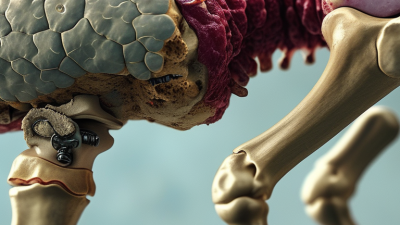
Osteoarthrosis, often called osteoarthritis, affects the whole joint, not only its cartilage. Cartilage may thin and roughen, while the bone beneath it changes. The joint lining and nearby tissues can also become irritated. This helps explain why pain may come and go instead of following a steady pattern. It varies.

Pain often increases when a joint bears weight or repeats a movement. A knee may ache after climbing stairs; fingers may feel stiff while opening a jar. Stiffness after resting is common, especially in the morning, but it often eases with gentle movement. Some people show joint changes on imaging but feel little pain. Others hurt more than a scan might suggest. That mismatch is real.

Age, past joint injuries, family history, body weight, and repeated physical loads can influence risk. They do not explain every case. Muscle weakness, sleep, mood, and nervous-system sensitivity may also affect pain. A careful assessment considers where pain occurs, when it changes, and how it affects daily tasks—not an X-ray alone. Persistent, rapidly worsening, hot, or markedly swollen joint pain warrants medical evaluation.

Assessing Symptoms and Identifying Pain Triggers

How to Manage Osteoarthrosis Pain?

Assessing Symptoms and Identifying Pain Triggers

Osteoarthrosis can cause aching, tenderness, and stiffness around an affected joint. Pain may increase during movement or after a busy day, while stiffness can appear after sitting still. Some people notice mild swelling or reduced flexibility. Symptoms vary, and a painful day does not always mean the joint has worsened.

A simple symptom diary can reveal useful patterns. Patterns matter. Note the time, activity, pain level, and how long discomfort lasts. For example, record whether knee pain follows climbing stairs, carrying groceries, or standing at a kitchen counter. Also note morning stiffness or discomfort after rest. Not every flare has a clear trigger. Weather may seem connected, but personal observations are more useful than assumptions.

Share these notes with a healthcare professional, who can assess your symptoms, movement, and medical history. Describe what makes pain better or worse, including changes in sleep or daily tasks. Imaging is not always needed to evaluate osteoarthritis.

Seek prompt medical advice for sudden severe pain, a hot or markedly swollen joint, fever, or difficulty bearing weight. Don’t dismiss a new symptom just because joint pain is familiar.

Using Exercise and Daily Habits to Ease Pain

How to Manage Osteoarthrosis Pain?

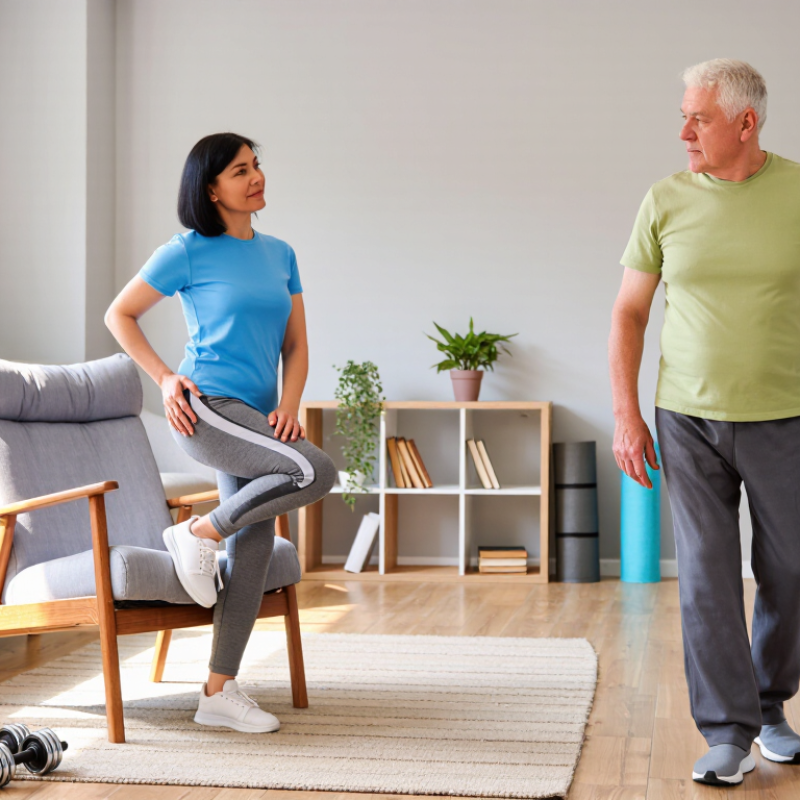
Gentle, regular movement can ease stiffness and help maintain strength around painful joints. Choose activities that feel manageable, such as walking on level ground, cycling at low resistance, or exercising in a warm pool.

Start gently. Even five minutes can be a useful beginning. Increase time or effort gradually, and reduce it if pain becomes sharp or remains worse afterward. A physical therapist can suggest safer movements for your affected joints.

Daily habits matter, too.

Take brief movement breaks during long periods of sitting; a timer can help you remember. Supportive, comfortable shoes may make trips across the grocery store less tiring. For hand pain, try larger-grip tools and keep frequently used items within easy reach.

Heat may soothe stiffness, while a wrapped cold pack can help some people after activity. Avoid placing either directly on skin, and ask a clinician if you have reduced sensation or circulation problems.

A plan that looks tidy on paper may fall apart on a rainy Tuesday. Adjusting it is not failure; notice what your body tolerates and discuss persistent or worsening pain with a healthcare professional.

Choosing Medicines and Other Pain Treatments Safely

Osteoarthrosis pain can change from day to day, so treatment should fit your health, symptoms, and routine. The World Health Organization estimated that 528 million people had osteoarthritis in 2019; 365 million had knee osteoarthritis (WHO, 2023). That scale matters, but it does not make every pain treatment suitable for every person.

For knee pain, the 2019 American College of Rheumatology/Arthritis Foundation guideline recommends trying topical nonsteroidal anti-inflammatory drugs before oral ones. A cream or gel may mean less medicine enters the bloodstream, though side effects are still possible. Oral anti-inflammatory medicines can affect the stomach, kidneys, heart, or interact with other drugs. Ask a clinician or pharmacist to review your medicines, especially if you take blood thinners or have chronic conditions. Avoid combining multiple anti-inflammatory medicines unless advised. Acetaminophen may offer limited relief and can harm the liver if taken above recommended limits. The trade-offs can feel frustrating.

Movement is treatment, too. The same guideline strongly recommends exercise, including walking and strengthening; supervised sessions can help make a plan manageable. If weight loss is appropriate, even gradual changes may reduce knee strain. A warm-up, supportive shoes, and shorter walks on sore days can make activity easier. Keep a simple pain-and-medicine diary for a week. It may reveal patterns, though it will not answer everything. Pain that suddenly worsens, or a hot, swollen joint, deserves medical assessment.

How to Manage Osteoarthrosis Pain? - Choosing Medicines and Other Pain Treatments Safely

Treatment option When it may help Safety points
Therapeutic exercise and physical activity Regular strengthening, aerobic, and range-of-motion exercise can improve pain, function, and mobility. A physical therapist can help tailor a plan. Start gradually and adjust activities if pain becomes markedly worse or does not settle. Low-impact options, such as walking, cycling, or water exercise, may be easier on painful joints.
Weight management, if appropriate For people with overweight or obesity, weight loss can reduce strain on weight-bearing joints and may improve pain and function. Gradual, sustainable changes are preferable. Exercise and nutrition plans can be adapted with help from a health professional.
Topical nonsteroidal anti-inflammatory drugs (NSAIDs) Often considered for knee or hand osteoarthritis because they can relieve localized pain with less whole-body exposure than oral NSAIDs. Use only as directed. Skin irritation can occur; avoid applying to broken skin. Ask a clinician or pharmacist before use if you take an oral NSAID or have relevant medical conditions. These medicines may be less useful for deep joints such as the hip.
Oral NSAIDs May reduce pain and inflammation when other measures are not enough. Use the lowest effective dose for the shortest appropriate time, with professional guidance. Risks include stomach ulcers or bleeding, kidney problems, increased blood pressure, and cardiovascular events. Risk may be higher with older age, certain health conditions, or some other medicines. Do not combine different NSAIDs unless a clinician specifically advises it.
Acetaminophen (paracetamol) May be considered when other options are unsuitable, although benefit for osteoarthritis pain is often limited. Follow the label or clinician’s instructions and check all medicines for acetaminophen to avoid taking it from multiple products. Excessive doses can cause serious liver injury. Ask a clinician before use if you have liver disease or regularly drink alcohol.
Duloxetine A prescription medicine that may help some people with persistent osteoarthritis pain, particularly when other treatments have not provided enough relief. Discuss side effects, other medicines, and health conditions with a prescriber. It can cause nausea, sleep changes, or dizziness, among other effects. Do not stop it suddenly without medical advice.
Corticosteroid joint injection May provide short-term pain relief for some people, especially during a painful flare, while supporting participation in exercise or rehabilitation. Relief is temporary and varies. Discuss expected benefit and possible risks, including a temporary rise in blood sugar for people with diabetes and a small risk of joint infection. Repeated injections should be considered carefully with a clinician.
Heat, cold, and supportive aids Heat may ease stiffness; cold may soothe a painful or swollen joint. A cane, suitable footwear, or a brace may help some people move more comfortably. Protect the skin from direct heat or ice and stop if skin becomes numb or irritated. A clinician or therapist can advise on safe cane height, brace fit, and whether an aid is suitable.
Opioid pain medicines Generally not a routine treatment for osteoarthritis because long-term benefit is limited and other options are usually preferred. They can cause dependence, overdose, constipation, and drowsiness, and may interact dangerously with alcohol or sedatives. Use only if specifically prescribed, exactly as directed, and after discussing risks and alternatives.

Safety note: The best plan depends on the affected joint, other health conditions, and medicines already being taken. Seek prompt medical assessment for a suddenly hot, very swollen joint, fever, severe new pain, or inability to bear weight. This table is general information and does not replace individualized medical advice.

Monitoring Progress and Adjusting the Care Plan

Managing osteoarthrosis pain requires checking whether the care plan still fits daily life. The World Health Organization reported that 528 million people lived with osteoarthritis in 2019; 365 million had knee osteoarthritis. Pain scores matter, but so does function. Once a week, record pain from 0 to 10 and note one repeatable task, such as climbing the stairs or walking to the mailbox. Add sleep quality, stiffness, and any treatment side effects. Small details count.

Look for patterns over several weeks, not just one difficult morning. The OARSI clinical-trial recommendations include pain and physical function among key outcomes, supporting a broader view than pain alone. If walking becomes easier but sleep worsens, tell your clinician; the plan may need a different balance. Review progress together and discuss adjustments to exercise, pacing, assistive devices, or medication. Do not change prescribed medication without clinical advice. Tracking is imperfect: weather, stress, and an unusually busy day can skew a score. That uncertainty deserves attention, not blame. A brief written log can make the next appointment more specific and help the care team decide what to keep, change, or investigate.

DISCOVER THE POTENTIAL OF INNOVATIVE PROSTHETICS

From minor to severe injuries, our team develops advanced devices designed to support recovery and promote overall wellness.

Contact Us