2026 Best Osteo Arthrosis Products for Global Buyers
Osteo arthrosis affects millions of people, yet product choices remain confusing across global markets. The World Health Organization reported that 528 million people lived with osteoarthritis in 2019. The Global Burden of Disease Study 2021 estimated approximately 595 million cases in 2020. These figures differ because researchers use different definitions and data sources. The trend is still clear. Demand is growing.
This guide examines the 2026 best osteo arthrosis products for global buyers through an evidence-led lens. We consider ingredient quality, clinical support, dosage clarity, manufacturing standards, and regional compliance. A product may look impressive on a bright label but offer weak evidence. A capsule beside a glass of water still needs credible testing. Professor David Hunter, a leading osteoarthritis researcher, has stated, “Osteoarthritis is not a disease of wear and tear.” His view supports a broader approach, including joint loading, muscle strength, body weight, pain management, and medical guidance.
No ranking can fit every patient. That limitation matters. Some products have promising trials, but long-term evidence remains incomplete. Supplement quality can also vary between countries, batches, and sellers. Global buyers should check independent certification, transparent ingredient quantities, adverse-event information, and authorized distribution channels. Prescription therapies require qualified clinical oversight, not marketplace convenience. This introduction is informed by WHO publications, Global Burden of Disease research, and peer-reviewed osteoarthritis literature. Still, evidence changes. Buyers should question confident claims, compare sources, and discuss persistent symptoms with a licensed healthcare professional.
Osteoarthritis Burden: 528 Million Cases Worldwide, WHO 2023
WHO’s 2023 reporting estimates that 528 million people worldwide live with osteoarthritis. This enormous burden affects knees, hips, hands, and daily routines. For global buyers, the best 2026 osteoarthritis products should address real movement problems.
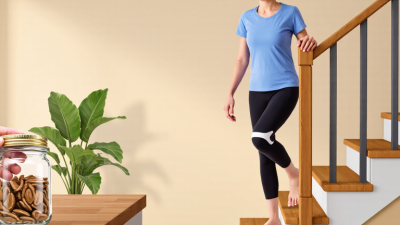
Comfort matters, but evidence, safety, and clear instructions matter more. A knee brace that slips during stairs offers little practical value.
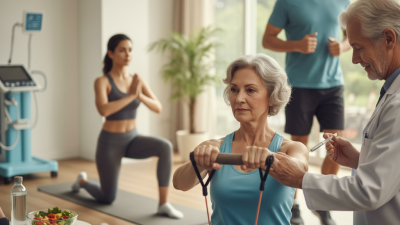
Useful options include adjustable braces, walking aids, heat and cold packs, and exercise tools.
Heat packs can ease morning stiffness before gentle movement. Canes may improve balance when correctly measured for height.
Resistance bands support low-impact strengthening under professional guidance. Topical pain-relief products may help some users, but ingredients and claims require local review.
Supplements deserve caution. Evidence remains uneven.
Buyers should request material details, safety testing, user instructions, and reliable quality records. Products should suit different body sizes, climates, and healthcare systems.
Packaging needs readable labels, especially for older adults. Local rules may limit certain ingredients or medical claims. User feedback from clinics and rehabilitation professionals can reveal problems that laboratory testing misses.
No product works equally well for everyone. It is easy to overvalue attractive packaging or a low price. A cheaper brace may lose shape after repeated washing. A premium tool may still be difficult to use.
Practical trials, transparent documentation, and realistic expectations should guide purchasing decisions.
Product Categories: Pharmaceuticals, Supplements, Orthotics, and Assistive Devices
For global buyers in 2026, osteoarthrosis care products fall into four practical categories: pharmaceuticals, supplements, orthotics, and assistive devices. Each category addresses a different daily problem. Pharmaceuticals may include approved pain-relief medicines or topical preparations, but users should check contraindications, dosage instructions, and local registration requirements. Clinical advice remains important, especially for older adults with kidney, stomach, or heart conditions.
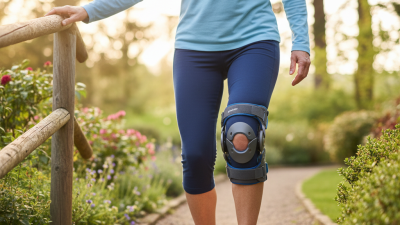
Supplements require careful review. Buyers should examine ingredient amounts, quality testing, contamination controls, and possible medicine interactions. Evidence varies between ingredients, and attractive packaging does not prove effectiveness. Orthotics include knee supports, shoe inserts, and hand braces. Proper sizing matters. A poorly fitted brace can increase pressure, restrict movement, or cause skin irritation. Professional measurement is often worth the extra time.
Assistive devices can make ordinary routines safer. Adjustable canes, walkers, grab bars, and raised seats may reduce joint strain during shopping, bathing, or climbing stairs. Materials should feel stable, washable, and suitable for local environments. For international purchasing, reliable documentation matters: instructions, safety warnings, batch details, warranty terms, and compliant labeling should be available in the buyer’s language. Feedback from clinicians and long-term users is valuable, but it is not perfect evidence. Product performance can change with body weight, walking habits, climate, and maintenance.
2026 Best Osteo Arthrosis Products for Global Buyers - Product Categories: Pharmaceuticals, Supplements, Orthotics, and Assistive Devices
Evidence-informed product categories for osteoarthritis management and international procurement
| Category | Product Type | Common Form or Specification | Primary Use | Evidence and Practical Value | Key Safety or Suitability Notes | Global Procurement Considerations |
|---|---|---|---|---|---|---|
| Pharmaceuticals | Topical non-steroidal anti-inflammatory drug | Gel, cream, or solution; commonly formulated with diclofenac or another approved topical NSAID | Localized pain relief for knee, hand, and other superficial joints | Strong practical option Often preferred for knee and hand osteoarthritis because it provides local treatment with lower systemic exposure than oral NSAIDs. |
Check for skin reactions, NSAID allergy, asthma sensitivity, and interactions with other NSAIDs. Avoid application to broken skin. | Verify country-specific registration, active-ingredient concentration, tube or pump packaging, child-resistant features, and stability in hot or humid climates. |
| Pharmaceuticals | Oral non-steroidal anti-inflammatory drug | Tablets, capsules, or liquid preparations; examples include ibuprofen, naproxen, or celecoxib where approved | Short-term treatment of moderate inflammatory pain when topical treatment is insufficient | Effective with restrictions Can reduce pain and improve function, but risk increases with age, longer use, and higher doses. |
Potential gastrointestinal, kidney, cardiovascular, and blood-pressure risks. Requires careful review of ulcers, kidney disease, anticoagulants, and cardiovascular history. | Confirm prescription status, dosage strengths, pharmacovigilance requirements, package inserts, and transport conditions. Avoid making unapproved therapeutic claims. |
| Pharmaceuticals | Paracetamol (acetaminophen) | Tablets, caplets, effervescent tablets, or oral liquid | Occasional mild pain when NSAIDs are unsuitable | Limited-to-moderate value May provide modest short-term relief for some people, but it is generally less effective than NSAIDs for osteoarthritis pain. |
Excessive total daily intake can cause serious liver injury. Consider liver disease, alcohol use, and combination products containing the same ingredient. | Use clear strength labeling, multilingual instructions, tamper-evident packaging, and child-safe packaging where required by local regulations. |
| Pharmaceuticals | Duloxetine | Delayed-release capsules or tablets | Persistent knee or multi-joint osteoarthritis pain, particularly when central pain sensitization or mood symptoms coexist | Conditionally useful May reduce chronic pain for selected patients when standard analgesics are inadequate or unsuitable. |
Prescription-only in many markets. Possible nausea, sleep changes, blood-pressure effects, withdrawal symptoms, and drug interactions. | Confirm local indication, prescription controls, serialization requirements, and compatibility with national essential-medicine or reimbursement systems. |
| Pharmaceuticals | Intra-articular corticosteroid injection | Sterile injectable suspension or solution administered by a qualified clinician | Short-term relief during painful flare-ups, especially in a swollen knee joint | Short-term benefit May provide temporary symptom relief; it does not restore damaged cartilage or halt osteoarthritis progression. |
Requires trained administration and aseptic technique. Consider infection risk, blood-glucose changes, and limits on repeated injections. | Maintain cold-chain requirements where specified, verify sterile packaging, expiry controls, injection-device compatibility, and local professional-use regulations. |
| Supplements | Glucosamine sulfate | Capsules, tablets, or powder; quality and salt form should be specified | Optional trial for people seeking a non-prescription supplement for knee symptoms | Mixed evidence Some studies report modest benefits, while others show little or no clinically important improvement. Effects are not reliably consistent across formulations. |
Possible gastrointestinal effects and allergy concerns for some source materials. Review anticoagulant use and diabetes-related considerations with a healthcare professional. | Specify active form, assay method, contaminant limits, allergen statement, third-party testing, and supplement-versus-medicine classification by destination country. |
| Supplements | Chondroitin sulfate | Capsules or tablets, usually with declared molecular-weight and purity specifications | Optional symptom-management supplement for selected knee or hand osteoarthritis users | Mixed evidence May offer small symptomatic benefits in some studies, but product quality and study results vary. |
Potential gastrointestinal effects and possible interaction concerns with anticoagulants. Product quality can vary substantially between markets. | Request identity testing, purity data, source traceability, heavy-metal limits, microbiological testing, and accurate non-medicinal claims. |
| Supplements | Curcumin or turmeric extract | Capsules or tablets with standardized curcuminoid content | Optional complementary support for pain and stiffness | Emerging and variable Some trials suggest modest symptom improvement, but formulations, doses, and bioavailability differ widely. |
Possible gastrointestinal effects and interactions involving anticoagulants, gallbladder conditions, or liver health. Enhanced-absorption formulations need additional scrutiny. | Specify standardization, excipients, allergen status, contaminant testing, permitted health claims, and local novel-food or supplement rules. |
| Supplements | Undenatured type II collagen | Low-dose capsules or tablets with declared collagen source and processing method | Optional dietary support for joint symptoms | Limited evidence Some small studies report improvements in pain or function, but evidence is not sufficient to replace established treatments. |
Review source allergens, including poultry or marine sources, as well as labeling for people with dietary restrictions. | Require source traceability, allergen controls, microbial testing, stability data, and compliance with destination-market supplement labeling. |
| Orthotics | Unloader knee brace | Adjustable valgus or varus brace with hinges, straps, and size range | Unicompartmental knee osteoarthritis with alignment-related loading | Conditionally useful May reduce pain and improve confidence during walking for selected users, but comfort and correct fitting strongly affect results. |
Incorrect fit can cause pressure injury, swelling, numbness, or reduced circulation. Professional fitting is recommended for complex cases. | Provide left/right models, size charts, durable hinges, washable liners, replacement parts, user instructions, and materials suitable for warm climates. |
| Orthotics | Knee sleeve or elastic support | Neoprene, knitted, or breathable textile sleeve with graduated compression options | Light support, warmth, proprioceptive feedback, and confidence during activity | Low-risk supportive option May provide comfort and perceived stability, although it does not correct joint alignment or repair cartilage. |
Use appropriate sizing. Monitor for skin irritation, excessive tightness, numbness, or worsening swelling. | Offer inclusive sizing, breathable materials, seam durability, washing instructions, latex-free options, and consistent compression specifications. |
| Orthotics | Hand or thumb splint | Thermoplastic, neoprene, or fabric support with adjustable closures | Thumb-base or hand osteoarthritis during selected activities or rest periods | Useful for selected joints Can reduce painful thumb movement and improve function when appropriately fitted. |
Overuse may cause stiffness or weakness. The splint should not cause numbness, skin damage, or restricted circulation. | Specify right and left versions, washable liners, low-profile designs, radiolucent materials where relevant, and sizing for different hand shapes. |
| Orthotics | Foot orthotic or cushioning insole | Prefabricated or custom device with arch, heel, or shock-absorbing features | Foot pain, comfort, and load distribution during walking | Individualized value May improve comfort for some users, but benefits vary according to foot structure, footwear, and the specific pain pattern. |
Excessive arch height or poor fit can increase discomfort. Gradual break-in and periodic reassessment are advisable. | Provide standardized sizing, thickness data, material safety information, odor and moisture management, and compatibility with common footwear. |
| Assistive Devices | Walking cane | Adjustable aluminum or composite cane with ergonomic handle and replaceable rubber tip | Additional balance and reduced loading for hip or knee osteoarthritis | Practical and affordable Can improve walking confidence and reduce joint loading when the correct height and technique are used. |
Incorrect height or use on the wrong side may reduce benefit. Inspect tips regularly for wear and slipping. | Specify maximum user weight, handle diameter, adjustment increments, tip dimensions, corrosion resistance, spare-tip availability, and packaging volume. |
| Assistive Devices | Walker or rollator | Fixed walker, two-wheel walker, or four-wheel rollator with brakes and optional seat | Balance support and safer mobility for people with substantial walking difficulty | High functional value Can improve stability and activity participation when selected and adjusted appropriately. |
Requires correct handle height, brake training, and regular inspection. A rollator may be unsuitable for users with poor brake control. | Check frame strength, maximum load, folded dimensions, wheel size, brake performance, replacement parts, and compliance with applicable medical-device standards. |
| Assistive Devices | Raised toilet seat and bathroom safety equipment | Raised seat, toilet frame, grab bar, shower chair, or bath bench | Reduce painful squatting, improve transfers, and lower fall risk at home | Strong environmental support Does not treat osteoarthritis directly but can improve independence and reduce hazardous joint loading. |
Secure installation and weight-rated components are essential. Grab bars must be anchored to an appropriate structural surface. | Provide load ratings, installation instructions, corrosion-resistant materials, non-slip surfaces, drainage design, and compatibility with regional bathroom dimensions. |
| Assistive Devices | Reacher, dressing aid, and ergonomic household tool | Long-handled reacher, sock aid, jar opener, or enlarged-grip utensil | Reduce bending, gripping, twisting, and strain during daily activities | Low-cost functional benefit Particularly useful for hand, hip, knee, or spine-related limitations in activities of daily living. |
Choose grip resistance and handle size according to hand strength. Avoid sharp edges and excessive spring force. | Prioritize durable lightweight materials, replaceable tips, ergonomic testing, accessible instructions, and packaging that minimizes shipping volume. |

Important: Product suitability depends on the joint affected, symptom severity, medical history, user age, mobility, and local regulations. Supplements and assistive products should not be presented as cures. Pharmaceutical use, injections, and device fitting should follow advice from a qualified healthcare professional. Availability, labeling, classification, and approval requirements vary by country.
Clinical Evidence: Efficacy, Safety, and ACR Guideline Recommendations
Clinical evidence should guide global osteoarthrosis purchasing, not packaging claims. The World Health Organization reports that 528 million people lived with osteoarthritis in 2019, with knee disease causing substantial mobility loss. Exercise therapy, weight management, and patient education remain core interventions. The 2019 ACR/Arthritis Foundation guideline strongly recommends exercise and weight loss for overweight adults with knee or hip osteoarthritis. Small changes matter. A daily walk can still hurt.
Topical nonsteroidal anti-inflammatory drugs are strongly recommended for knee osteoarthritis when suitable. They can reduce local pain with lower systemic exposure than oral treatment. Oral NSAIDs may provide stronger relief, but gastrointestinal, renal, and cardiovascular risks require screening. The ACR guideline conditionally recommends intra-articular corticosteroids for short-term relief. Repeated injections need careful review. Evidence for hyaluronic acid injections remains inconsistent, and the guideline conditionally recommends against routine use.
Safety depends on more than clinical efficacy. Buyers should request randomized trial data, pharmacovigilance records, batch testing, and regulatory documentation for each market. The WHO Global Burden of Disease 2021 analysis indicates that osteoarthritis prevalence will keep rising as populations age and obesity increases. Yet many studies remain short, exclude older adults, or measure pain differently. That weakens direct product comparisons. Procurement teams should examine effect size, adverse-event rates, contraindications, and real-world adherence before selecting products. Availability is not proof of value.
2026 Best Osteoarthrosis Products for Global Buyers
Clinical Evidence: Efficacy, Safety, and ACR Guideline Recommendations
How to read the chart
The chart summarizes the 2019 American College of Rheumatology/Arthritis Foundation guideline recommendations for knee, hip, and hand osteoarthritis. Positive values indicate recommendations in favor; negative values indicate recommendations against. The numerical values are an ordered display of recommendation strength, not a percentage of pain relief or a direct head-to-head product ranking.
| Intervention category | Clinical evidence and safety considerations |
|---|---|
| Exercise and weight management | Strongly recommended for appropriate patients. Benefits include improved pain and physical function; gradual progression and individualized programs improve tolerability. |
| Topical NSAIDs | Strongly recommended for knee osteoarthritis. Useful for localized pain with lower systemic exposure than oral NSAIDs, although local skin reactions and some systemic absorption remain possible. |
| Oral NSAIDs | Strongly recommended when clinically appropriate. They can improve pain and function but require assessment of gastrointestinal, renal, blood-pressure, and cardiovascular risks. |
| Intra-articular glucocorticoid injections | Conditionally recommended for short-term symptom relief. Repeated injections should be clinically justified because benefits are temporary and procedural risks exist. |
| Hyaluronic acid, acetaminophen, and platelet-rich plasma | The ACR/AF guideline conditionally recommends against hyaluronic acid and acetaminophen and strongly recommends against platelet-rich plasma for routine knee and/or hip osteoarthritis management because benefits are uncertain or insufficient relative to alternatives. |
Source: Kolasinski SL, et al. 2019 American College of Rheumatology/Arthritis Foundation Guideline for the Management of Osteoarthritis of the Hand, Hip, and Knee. Arthritis Care & Research. 2020;72(2):149–162. Individual treatment decisions should account for diagnosis, comorbidities, contraindications, and local regulatory requirements.
Global Market Data: Growth Drivers, Regional Demand, and Buyer Priorities
2026 Best Osteo Arthrosis Products for Global Buyers
Global demand for osteoarthritis products is expanding as populations age and mobility needs increase. Market estimates differ because reporting methods vary across countries. Data is still uneven. Aging populations, rising obesity rates, and longer working lives continue to influence purchasing decisions. Digital consultations also make exercise programs, braces, and home-use recovery tools easier to access.
Regional demand shows different priorities. European buyers often request clinical evidence, transparent labeling, and strong sustainability records. North American distributors may favor convenient packaging, online support, and flexible inventory programs. Asian markets show growing interest in affordable joint supports, topical products, and rehabilitation equipment. In emerging regions, simple instructions and dependable supply can matter more than advanced features.
Buyer priorities should begin with safety, traceability, and documented performance. Suppliers need clear material specifications, batch records, and compliant product claims. For regulated products, approval requirements differ between markets and should be checked locally. A knee brace should fit securely without restricting circulation. A therapy device should include understandable settings and cleaning guidance. I would not treat online popularity as proof of effectiveness. Price comparisons can also mislead when warranty coverage, training, and replacement parts are excluded. The market is growing, but some purchasing decisions remain too focused on novelty. Reliable procurement needs patient needs, professional feedback, and regional compliance working together.
Procurement Standards: FDA, EMA, ISO 13485, and Quality Compliance
Global procurement of osteoarthritis products now demands evidence beyond comfort claims. The World Health Organization estimates that 528 million people lived with osteoarthritis in 2019. Its broader musculoskeletal health report identifies 1.71 billion affected people worldwide. These figures make traceability essential. Buyers should request intended-use statements, risk classifications, clinical evidence, and batch-level records before reviewing price.
For devices entering the United States, verify FDA registration, listing status, applicable 510(k) clearance, and complaint history. Registration alone does not prove safety or effectiveness. For European distribution, check conformity under the current Medical Device Regulation and confirm the notified-body scope. EMA involvement may apply to medicinal products, not every support, brace, or physical device. This distinction is often missed.
ISO 13485 certification should cover the actual manufacturing site and relevant product scope. Ask for the certificate, audit status, supplier controls, sterilization validation, and change-notification procedures. The ISO Survey 2023 shows ISO 13485 remains widely adopted across global medical-device supply chains, but certification still requires careful verification. I would also inspect packaging samples, multilingual instructions, and temperature records. A clean dossier can hide weak field controls. Buyers should compare post-market surveillance data, recall procedures, and response times. Compliance is documented, but procurement judgment remains imperfect.
Related Posts
-
What Is Mild Osteoarthritis and How Is It Treated?
-
What Are the Main Causes of Osteoarthritis?
-
Top Benefits of Using the Ossur Unloader Knee Brace for Pain Relief?
-
Best Ways to Treat Osteoarthritis in Knees in 2026
-
2026 Best Ways to Treat Osteoarthritis in Knees Effectively?
-
What is the Ossur Hip Unloader and How Does It Work?
DISCOVER THE POTENTIAL OF INNOVATIVE PROSTHETICS
From minor to severe injuries, our team develops advanced devices designed to support recovery and promote overall wellness.