What Is Mild Osteoarthritis and How Is It Treated?

Mild osteoarthritis can sound reassuring, yet a stiff knee on the stairs or aching fingers opening a jar can still interrupt ordinary life. The term usually describes early or less extensive joint changes, but symptoms do not always match what an X-ray shows. One person may have visible changes and little pain; another may feel discomfort during simple tasks. That difference matters. Rheumatologist and osteoarthritis researcher Dr. David T. Felson has studied how symptoms and imaging relate. A careful paraphrase of the clinical message is: “Treatment should focus on symptoms, function, and the person’s goals—not an image alone.” This is a paraphrase, not a verified verbatim quotation.

Care often begins with practical steps: regular low-impact movement, strengthening exercises, and changes that make painful tasks easier. A clinician may also discuss weight management, pain relief options, or physical therapy, depending on a person’s health and needs. There is no single plan for everyone. Some days feel better. Some do not. It is also worth being honest: “mild” does not mean painless, and exercise can take time to feel helpful. A diagnosis should come from a qualified health professional, who can consider symptoms, examine the joint, and check for other causes of pain. This guide explains what mild osteoarthritis can mean, how clinicians assess it, and which treatments may help protect movement and daily comfort.

What Is Mild Osteoarthritis and How Is It Treated?

What Mild Osteoarthritis Means

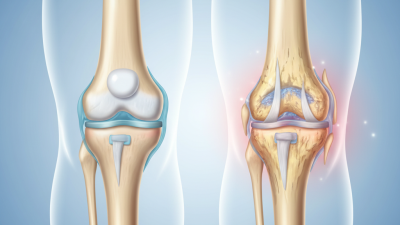
Mild osteoarthritis usually means early or limited joint changes, or symptoms that remain manageable. It is not a single, universally defined diagnosis. A clinician considers pain, stiffness, movement, examination findings, and sometimes imaging. On an X-ray, early changes may include small bone spurs or slight narrowing of the space between bones. Yet a scan does not tell the whole story. Some people have visible changes and little pain; others feel pain despite subtle findings. Not always. The label can sound tidy, but daily symptoms are less predictable.

Osteoarthritis develops as joint tissues change over time. A knee may ache after stairs, feel stiff after sitting, or swell mildly after a long walk. These signs can come and go. The World Health Organization’s 2023 osteoarthritis fact sheet estimated that 528 million people worldwide were living with the condition in 2019; 365 million had knee osteoarthritis. Those figures describe osteoarthritis overall, not mild cases alone. That distinction matters. “Mild” does not mean imaginary, inevitable progression, or the same experience for everyone. Age, prior injury, body weight, muscle strength, and the affected joint can shape symptoms. A careful assessment helps distinguish osteoarthritis from other causes of joint pain and gives the label useful meaning.

What Is Mild Osteoarthritis and How Is It Treated?

Mild osteoarthritis generally describes early or limited joint changes and symptoms. Treatment focuses on managing symptoms and maintaining movement; imaging changes do not always match how much pain a person feels.

How to read this chart: Bars show recommendation categories, not treatment effectiveness: 2 means NICE recommends the option in the stated circumstances; 0 means NICE advises against it. Exercise is recommended, weight management is recommended for people who are overweight or have obesity, and topical NSAIDs are recommended for knee osteoarthritis. NICE advises against acupuncture for osteoarthritis. Treatment choices should be discussed with a healthcare professional.

Common Symptoms and How It Is Diagnosed

Mild osteoarthritis can cause aching during everyday activities, such as climbing stairs, walking, or opening a jar. The discomfort often eases with rest, though it may return after a busy day. Some people notice stiffness after sitting or waking; it commonly lasts less than 30 minutes. Symptoms can fluctuate. A knee may feel stiff one morning and nearly normal the next. That variability can be frustrating, and it does not mean the joint is “fine” or severely damaged.

A clinician usually considers the symptom pattern, medical history, and physical examination. They may check tenderness, swelling, movement, and how the joint works during simple tasks. There is no single symptom that proves osteoarthritis. Mild disease can also show up differently from person to person. X-rays may help when the diagnosis is uncertain or symptoms do not fit the examination, but imaging changes do not always match pain levels. MRI is not routinely needed for typical cases.

Sudden severe pain, a hot or markedly swollen joint, or fever deserves prompt medical assessment, since other conditions may be responsible. For mild symptoms, care may include tailored exercise, pacing activities, and advice on joint protection. Treatment should reflect the person’s health and goals. A small detail matters: recording when pain appears can make a visit more useful, though symptom notes are easy to forget.

Factors That Can Influence Its Progression

Mild osteoarthritis does not progress at the same pace for everyone. Age, previous joint injuries, excess body weight, leg alignment, and muscle strength can all influence symptoms and joint changes. Repeated high-impact activity may aggravate pain, while regular, manageable movement helps maintain strength. It varies.

Body weight is one modifiable factor. A 2005 study in Arthritis & Rheumatism estimated that losing one pound reduced the load on the knee by about four pounds with each step. In the 18-month IDEA clinical trial, 454 adults with knee osteoarthritis and overweight or obesity took part; the diet-and-exercise group lost an average of 11.4% of body weight and reported better pain and function than the exercise-only group. These results are encouraging, but they do not mean weight loss reverses osteoarthritis or suits everyone.

Tips: Choose low-impact activity, such as walking on level ground or cycling, and increase it gradually. Notice whether swelling or pain persists after activity; adjust the pace rather than pushing through. A clinician or physical therapist can help tailor exercise and discuss pain relief, especially after an injury or sudden change in symptoms. Small changes count.

Treatment Options for Mild Osteoarthritis

For mild osteoarthritis, treatment usually aims to ease pain and preserve everyday movement, not “repair” the joint. A clinician can tailor options to the affected joint, health history, and symptoms. Exercise is a core option: the 2019 American College of Rheumatology/Arthritis Foundation guideline strongly recommends regular exercise for osteoarthritis. A physical therapist can suggest low-impact activity, such as walking on level ground or cycling, and simple strengthening exercises. Small changes matter. A handrail, supportive footwear, or pacing chores may also make daily tasks easier.

Weight management may help people with knee osteoarthritis who are overweight. In the 18-month IDEA clinical trial, adults assigned to diet plus exercise lost an average of 11.4% of their body weight; the exercise-only group lost about 2%. Results from a trial do not promise the same outcome for everyone. Real life is messier. For knee pain, topical anti-inflammatory medicines may be considered; oral medicines require extra caution because of possible stomach, kidney, or heart risks. A clinician or pharmacist can help weigh those risks.

Heat may soothe stiffness, while cold packs can help some people after activity. Use a cloth barrier and short sessions to protect the skin. A cane or brace may be useful for certain joints, but fit and comfort matter. Pain can fluctuate. If swelling, function, or pain worsens, seek clinical advice rather than simply pushing through. The best plan is one a person can sustain and review as symptoms change.

Daily Habits That Support Joint Health

Mild osteoarthritis may cause stiffness after sitting or a dull ache on the stairs. Daily habits can help support movement, though they cannot reverse joint damage. The World Health Organization estimated that 528 million people were living with osteoarthritis worldwide in 2019. Movement is worth making manageable. The 2019 American College of Rheumatology and Arthritis Foundation guideline strongly recommends exercise for people with knee or hip osteoarthritis. Start with a short walk on level ground, or try gentle cycling if walking hurts. The WHO’s 2020 physical activity guidelines advise adults to aim for 150–300 minutes of moderate activity each week, but even brief bouts can be a practical starting point.

Add simple strength work, such as standing from a sturdy chair or doing supported heel raises. Move slowly and stop if pain becomes sharp or unusually persistent; a clinician or physical therapist can help adapt exercises. If weight loss is appropriate for you, small, steady changes may reduce strain on weight-bearing joints. Avoid crash plans. Regular sleep and pacing chores can also make active days easier: split garden work into short sessions, then rest before discomfort builds. Consistency is harder than it sounds. Missed days happen, and a perfect routine is not realistic for everyone. Discuss new or worsening symptoms with a healthcare professional, especially when pain limits ordinary tasks.

What Is Mild Osteoarthritis and How Is It Treated? — Daily Habits That Support Joint Health

Daily habit Practical approach How it may help Helpful tracking
Keep moving Choose low-impact activity, such as walking, cycling, or swimming. Start at a comfortable level and build up gradually. Regular physical activity can improve mobility and help manage osteoarthritis symptoms. Exercise should be adapted to your abilities and pain level. Record activity and how the joint feels during and after exercise.
Strengthen supporting muscles Do gentle strengthening exercises, such as sit-to-stands or exercises recommended by a physical therapist. Allow time for recovery between sessions. Stronger muscles can support joint function and make everyday activities easier. Note exercises, repetitions, and any increase in pain or swelling.
Manage body weight if appropriate If you have overweight, discuss a sustainable weight-management plan with a healthcare professional. Weight loss can reduce stress on weight-bearing joints and may improve pain and function. Focus on gradual, sustainable changes rather than rapid weight loss.
Balance activity and rest Break longer tasks into shorter periods, alternate demanding and lighter activities, and take brief movement breaks after sitting. Pacing can help make daily activity more manageable while avoiding long periods of inactivity. Notice which tasks trigger symptoms and adjust the pace or duration.
Use comfortable, supportive footwear Choose shoes that fit well and feel stable for your usual activities. Ask a clinician whether an assistive device may be useful. Comfortable footwear and appropriate support may make walking and other daily tasks easier. Check whether footwear feels comfortable during and after activity.
Try heat or cold for symptom relief Some people find warmth helpful for stiffness or cold helpful for temporary pain relief. Protect skin and follow safe-use instructions. Heat or cold may ease symptoms for a time, but neither reverses osteoarthritis. Use the option that feels helpful and stop if it causes discomfort or skin irritation.
Ask for an individualized care plan Discuss persistent or worsening symptoms with a healthcare professional. A plan may include exercise guidance, physical therapy, or medication advice. Osteoarthritis care can be tailored to the joint affected, symptoms, health conditions, and personal goals. Bring notes about pain, stiffness, daily activities, and treatments tried.

Mild osteoarthritis generally means early or less advanced joint changes, but symptoms and imaging findings do not always match. This table offers general information, not a diagnosis or a substitute for medical advice.

DISCOVER THE POTENTIAL OF INNOVATIVE PROSTHETICS

From minor to severe injuries, our team develops advanced devices designed to support recovery and promote overall wellness.

Contact Us