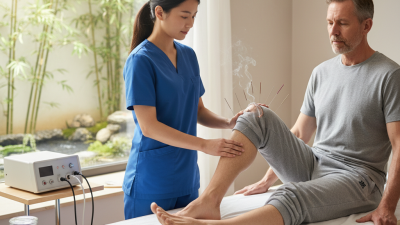
2026 Best Ways to Treat Osteoarthritis in Knees Effectively?

Osteoarthritis in the knees is a prevalent condition, affecting an estimated 30 million people in the U.S. alone. This degenerative joint disease significantly impacts mobility and quality of life, leading many to seek effective treatments. Identifying the best way to treat osteoarthritis in knees is crucial, especially with projections showing a rise in cases by 2026.

Recent studies highlight that combining lifestyle changes with medical interventions yields the best outcomes. Physical therapy, weight management, and exercise are key components. A report from the American Academy of Orthopaedic Surgeons indicates that tailored exercise can reduce pain by up to 40%. However, many still struggle with adherence to these recommendations.

On the medical front, innovative treatments such as hyaluronic acid injections and stem cell therapy are gaining traction. While promising, these options are not universally effective and often require more research. The journey to find the best way to treat osteoarthritis in knees is complex and varies for each individual. An open-minded approach, weighing both traditional and emerging therapies, is essential for optimal management.

2026 Best Ways to Treat Osteoarthritis in Knees Effectively?

Understanding Osteoarthritis: Causes and Symptoms in the Knees

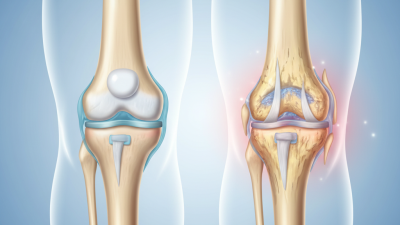
Osteoarthritis in the knees can significantly impact mobility. The condition arises from the gradual wear and tear of cartilage. This leads to inflammation, pain, and stiffness. According to the Arthritis Foundation, nearly 27 million people in the U.S. suffer from osteoarthritis, highlighting its prevalence. Factors such as age, obesity, and genetic predisposition can increase the risk.

Symptoms often include joint pain, swelling, and limited range of motion. It is essential to recognize that these symptoms can fluctuate. Pain may worsen after activity or once resting. Reports show that early diagnosis can make a substantial difference. Maintaining a healthy weight reduces stress on the knees, which can alleviate symptoms.

Tip: Regular low-impact exercises like swimming or cycling can strengthen muscles around the knee. Additionally, physical therapy can help enhance flexibility. Patients should consider a balanced diet rich in omega-3 fatty acids, which may reduce inflammation.

Managing osteoarthritis requires a personalized approach. Not everyone’s symptoms or triggers are the same. Therefore, individuals are encouraged to monitor their condition. Keeping a daily log of pain and activity can reveal patterns. Seeking professional advice ensures a tailored treatment plan that meets specific needs.
Lifestyle Changes to Alleviate Knee Osteoarthritis Pain

Knee osteoarthritis can be challenging, but lifestyle changes can provide relief. Simple adjustments in daily routines may significantly influence pain levels. Regular exercise, like walking or swimming, strengthens muscles around the knee. Aim for low-impact activities to avoid additional strain. Stretching before and after workouts helps maintain flexibility.

Diet also plays a crucial role. Eating anti-inflammatory foods can reduce swelling. Incorporate fruits, vegetables, and whole grains into your meals. Hydration matters too; drink enough water to support joint function. Some people find relief in maintaining a healthy weight. Less weight means less pressure on the knees.

Mindful practices can enhance your experience. Techniques like yoga or meditation may help manage pain. Listening to your body is essential. Some days may feel more difficult, and that’s okay. Adjust your activities accordingly. Remember, it’s a journey; consistency is vital, but it’s fine to have off days.

Effective Medication Options for Osteoarthritis Management

Managing osteoarthritis in the knees requires effective medication options. Nonsteroidal anti-inflammatory drugs (NSAIDs) are commonly used to relieve pain and reduce inflammation. These medications can provide quick relief, but they may have side effects with long-term use. Doctors often recommend starting with low doses to monitor any adverse reactions.

Another viable option is corticosteroids. These can be injected directly into the knee joint, providing targeted relief. While effective, their use is typically limited due to potential joint damage if overused. Always consult a healthcare provider before starting any new treatment to ensure it aligns with your health needs.

Tips: Incorporate physical therapy into your routine. Gentle exercises help strengthen muscles around the knee. Weight management is crucial as extra weight puts more stress on the knees. Monitor pain levels regularly and communicate any changes with your doctor. Adjusting medications might be necessary over time.

2026 Best Ways to Treat Osteoarthritis in Knees Effectively

Treatment Option Effectiveness Duration of Relief Potential Side Effects
Non-steroidal Anti-inflammatory Drugs (NSAIDs) High 4-6 hours Gastrointestinal issues, heart risks
Corticosteroid Injections Moderate to High Weeks to months Bone weakening, infection risk
Physical Therapy Moderate Variable Physical strain, temporary discomfort
Hyaluronic Acid Injections Moderate 6 months Joint pain, swelling
Topical Analgesics Moderate 3-4 hours Skin irritation, allergic reactions
Weight Management High Long-term N/A

Physical Therapy and Exercise Regimens for Knee Osteoarthritis

2026 Best Ways to Treat Osteoarthritis in Knees Effectively?

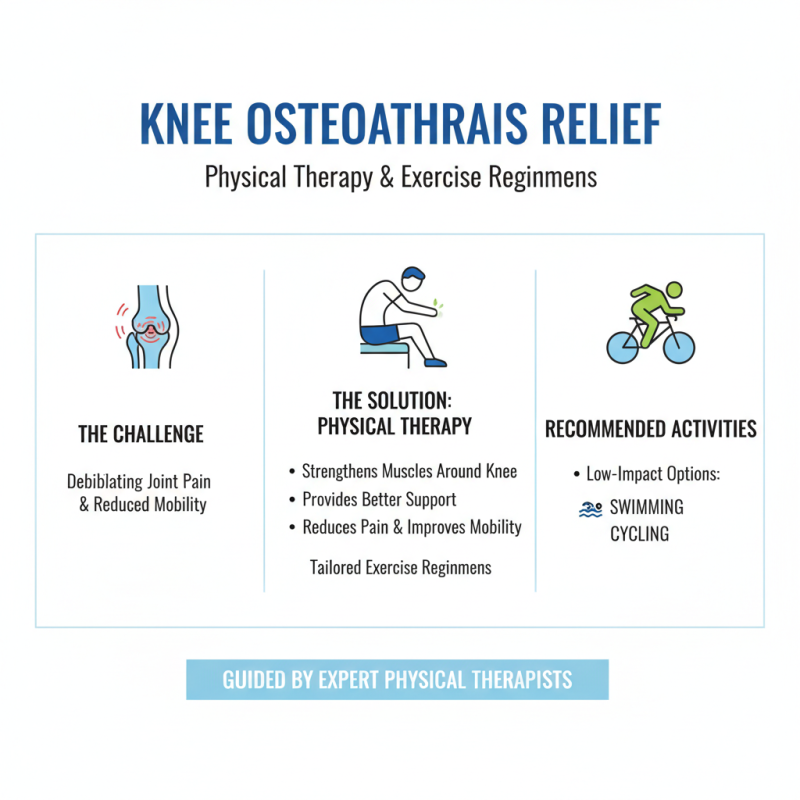
Knee osteoarthritis can be debilitating, but physical therapy offers significant relief. Tailored exercise regimens strengthen the muscles around the knee, providing better support. Low-impact activities, such as swimming or cycling, are popular choices. These exercises help reduce joint pain and improve mobility. Physical therapists often guide patients in selecting the right activities.

Incorporating flexibility exercises is crucial. Stretching the muscles and tendons around the knee increases range of motion. Simple stretches can be done at home or in therapy sessions. Strength training is also vital. Targeting the quadriceps and hamstrings through resistance exercises can enhance stability. However, it’s important to listen to your body and adjust activities as needed. Overdoing it may lead to setbacks.

Engaging in regular physical therapy sessions fosters accountability. Therapists not only provide a structured plan but also motivate individuals to stick with it. Knowledge about proper techniques minimizes injury risks. This collaborative approach builds confidence. Reflection on progress and setbacks during therapy sessions helps refine goals and strategies. It's a dynamic process, and ongoing adjustment is necessary for the best outcomes.

Surgical Interventions: When to Consider Knee Surgery for Osteoarthritis

Knee osteoarthritis can significantly impair mobility and quality of life. In some cases, surgical intervention becomes necessary. When conservative treatments like physical therapy and medication fail, surgery may be the next step. According to the American Academy of Orthopaedic Surgeons, about 25% of patients with knee osteoarthritis ultimately choose surgery.

Understanding when to consider surgery is critical. Candidates for knee surgery typically face severe pain and decreased function. The most common procedures are arthroscopy, osteotomy, and knee replacement. A recent study showed that total knee replacement provides significant pain relief and improves functionality in approximately 90% of patients. After surgery, many report higher satisfaction levels.

However, surgery is not without risks. Complications can arise, and recovery may take time. According to research from the Journal of Bone and Joint Surgery, many patients may experience anxiety regarding surgical outcomes. Therefore, thorough discussions with healthcare providers about expectations and potential challenges are vital. Identifying the right time for surgical intervention requires careful consideration and individualized assessment.

2026 Best Ways to Treat Osteoarthritis in Knees Effectively

DISCOVER THE POTENTIAL OF INNOVATIVE PROSTHETICS

From minor to severe injuries, our team develops advanced devices designed to support recovery and promote overall wellness.

Contact Us