What Are the Main Causes of Osteoarthritis?
Osteoarthritis causes are more complex than simple aging or “wear and tear.” The condition develops when several joint stresses accumulate over time. Age, previous injuries, obesity, genetics, muscle weakness, and physically demanding work can all contribute. Yet no single factor explains every painful knee, hip, or hand.
The World Health Organization reports that about 528 million people lived with osteoarthritis globally in 2019. Nearly 60% were women. Its data also show that knee, hip, and hand joints are commonly affected. These figures reveal a major public health burden, not merely an occasional inconvenience. The Global Burden of Disease study also identifies osteoarthritis as a leading cause of disability worldwide.
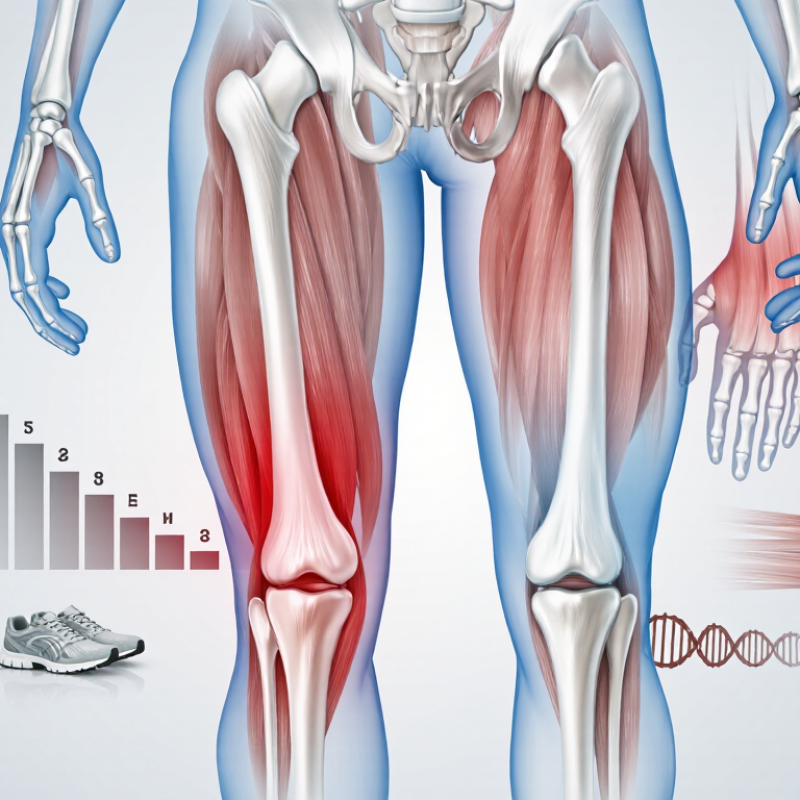
Dr. David Hunter, a leading osteoarthritis researcher, describes it clearly: “Osteoarthritis is a disease of the whole joint, involving the cartilage, bone, ligaments, muscles and synovium.” That perspective matters. Cartilage damage is visible, but it is only one part of the story. Inflammation, altered movement, joint instability, and reduced muscle support may also intensify symptoms.
Some details remain uncertain. People with similar X-rays can report very different pain levels. That mismatch deserves more attention. A painful knee may reflect biological changes, daily loading, sleep quality, or previous trauma. This article examines the main osteoarthritis causes through current medical evidence, expert insight, and practical risk factors. The goal is not to assign blame. It is to understand how multiple influences can quietly reshape a joint over years.
Definition and Development of Osteoarthritis
What Are the Main Causes of Osteoarthritis?
Definition and Development of Osteoarthritis
Osteoarthritis is a chronic joint disorder that changes cartilage, bone, and nearby tissues. Cartilage normally cushions movement between bones. As it thins, the joint may feel stiff, sore, or less flexible. The condition often develops slowly over many years. It is not simply an unavoidable result of aging.
The word “wear” can mislead. Repeated stress may damage cartilage, but the joint also responds biologically. The lining can become irritated, while bone underneath may thicken and form small growths. These changes can make stairs, gripping objects, or standing after sitting feel uncomfortable. Morning stiffness usually lasts briefly, although symptoms vary between individuals.
Age increases risk, but other factors matter greatly. Previous fractures, ligament injuries, joint misalignment, excess body weight, and inherited joint structure can contribute. Repetitive work or sports may add stress, especially after an old injury. Weak muscles can reduce support around the joint. Some people develop osteoarthritis without one clear cause. That part remains frustrating, and current explanations are not perfect.
A clinical assessment usually considers symptoms, movement, medical history, and physical findings. Imaging may support the assessment, but pictures do not always match pain levels. A mildly changed joint can hurt considerably. Conversely, advanced changes may cause few symptoms. Persistent swelling, sudden loss of movement, or severe pain deserves professional evaluation.
Age-Related Changes in Joints
Osteoarthritis is strongly linked to age-related changes inside the joint. The World Health Organization reports that about 528 million people worldwide had osteoarthritis in 2019. Around 73% were older than 55. Age matters, but it is not a verdict.
Over time, cartilage loses water and becomes less resilient. Its smooth surface may develop small cracks. The underlying bone can then receive more pressure during walking, climbing, or gripping. Joint fluid may also become less effective at reducing friction. These changes often develop quietly, like a door hinge becoming stiff before it starts to squeak. Pain does not always match the damage seen on an X-ray.
Muscles and balance can weaken with age, placing extra stress on vulnerable joints. Previous injuries may also leave a joint less able to manage daily loads. A 2023 Global Burden of Disease analysis, published in The Lancet Rheumatology, estimated that osteoarthritis cases could approach 1 billion globally by 2050. That projection reflects ageing populations and longer life expectancy, not ageing alone. The picture is not perfectly tidy. Some older adults remain active without major symptoms, while others develop pain earlier. Regular movement, strength training, healthy body weight, and clinical assessment can help protect function.
WHO Osteoarthritis Fact Sheet, 2023.
Joint Injuries, Overuse, and Repetitive Stress
Joint Injuries, Overuse, and Repetitive Stress
Osteoarthritis often develops after years of joint loading. The Global Burden of Disease 2019 study estimated 528 million people lived with osteoarthritis worldwide. Earlier injuries can accelerate this process. A torn ligament, damaged meniscus, or poorly healed fracture may change how force moves through a joint. One knee may then absorb pressure unevenly during every step.
Overuse adds another layer. Repeated kneeling, squatting, lifting, or climbing can stress cartilage and surrounding tissues. Occupational studies commonly link these tasks with higher knee osteoarthritis risk. Athletes may face similar concerns after years of running, jumping, or abrupt direction changes. However, repetition alone does not explain every case. Age, body weight, muscle strength, genetics, and joint alignment also influence risk.
The evidence is not perfectly tidy. Some people with heavy work histories remain pain-free, while others develop symptoms after modest activity. The World Health Organization reports that 73% of people with osteoarthritis are older than 55. Yet injury-related osteoarthritis can appear earlier. Clinicians often examine movement patterns, past injuries, work demands, and swelling together. A painful knee after a long shift deserves attention, especially when stiffness lasts beyond the morning. Rest helps, but complete inactivity may weaken supporting muscles. That balance remains easy to misunderstand.
What Are the Main Causes of Osteoarthritis?
Joint injuries, excess body weight, aging, and repetitive mechanical stress can increase the likelihood of osteoarthritis.
The chart shows approximate increases in osteoarthritis risk reported in epidemiological research. A previous joint injury and older age are among the strongest recognized risk factors, while obesity and repetitive occupational loading also contribute. These estimates vary by joint, population, and study design; they are not individual predictions.
Evidence basis: systematic reviews and cohort studies on knee and hip osteoarthritis, including research on prior joint injury, obesity, aging, and occupational kneeling, squatting, lifting, or repetitive loading.
How Weight and Lifestyle Affect Joint Degeneration
What Are the Main Causes of Osteoarthritis?
How Weight and Lifestyle Affect Joint Degeneration
Osteoarthritis develops through several connected causes, not age alone. Cartilage gradually loses its smooth structure, while surrounding bone and tissues respond to repeated stress. Previous injuries, inherited joint shape, muscle weakness, and long-term physical demands can all contribute. Weight matters too, especially for the knees, hips, and lower back. Extra body weight increases mechanical pressure during walking and climbing stairs. Fat tissue may also release inflammatory substances that influence joint health.
The effect can be surprisingly practical. A modest reduction in body weight may lessen knee discomfort and improve movement. Strong thigh, hip, and core muscles can support joints during daily activities. Walking, swimming, cycling, and controlled resistance exercises are often easier on painful joints than repeated jumping. Start gently. Pain that remains severe or worsens deserves professional assessment.
Lifestyle choices are not simple guarantees. Some people remain active and still develop osteoarthritis, while others have few symptoms despite visible joint changes. Sleep problems, inactivity, and prolonged sitting may increase stiffness and reduce muscle support. Yet blaming every symptom on weight is unfair and medically incomplete. Joint degeneration reflects biology, history, movement habits, and sometimes plain chance. A clinician can assess symptoms, strength, alignment, and previous injuries before recommending a safe plan.