Best Ways to Treat Osteoarthritis in Knees in 2026

Osteoarthritis in the knees affects millions of people worldwide. This condition can severely limit mobility and quality of life. Finding the best way to treat osteoarthritis in knees is crucial for enhancing daily functioning.

In recent years, research has highlighted various treatment options. These include physical therapy, medications, and lifestyle changes. Many patients seek non-invasive methods before considering surgery. However, the effectiveness of these treatments can vary from person to person.

It's essential to recognize that what works for one individual may not work for another. Factors like age, severity, and overall health play significant roles in treatment success. As we explore the best strategies for managing knee osteoarthritis, it's important to approach the information critically. Individualized treatment plans are often necessary for optimal results.
Best Ways to Treat Osteoarthritis in Knees in 2026

Understanding Osteoarthritis: Causes and Symptoms in Knee Joint

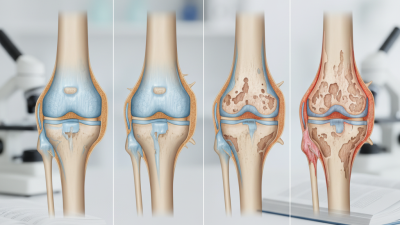
Osteoarthritis in the knee is a common condition that affects millions of people worldwide. It occurs when cartilage, the protective tissue at the ends of bones, begins to wear down. This leads to pain, stiffness, and reduced mobility. Factors contributing to osteoarthritis include age, obesity, and previous injuries. Patients often experience swelling and difficulty in performing daily activities.

Symptoms can vary significantly between individuals. Some may feel a constant ache, while others may experience sharp pain during movement. Stiffness tends to be more pronounced in the morning or after sitting for long periods. Weight management is vital. Excess weight puts extra pressure on the knee, exacerbating symptoms. Developing strong muscles around the knee joint can offer additional support.

Treatment options range from lifestyle changes to medication. Physical therapy is beneficial for improving strength and flexibility. Many people find relief through low-impact exercises like swimming or cycling. While some treatments may offer temporary relief, the journey to managing osteoarthritis often requires patience and experimentation. Understanding one’s body and capabilities is essential in this process.

Current Diagnosis and Assessment Methods for Knee Osteoarthritis

Knee osteoarthritis (OA) is a prevalent condition affecting millions globally. Current diagnosis focuses on patient history, physical exams, and imaging methods. X-rays can reveal joint space narrowing and bone spurs, while MRI often provides a detailed view of cartilage health. According to a 2022 report, 27 million adults in the U.S. suffer from knee OA, underscoring the importance of timely assessment.

Tip: Regular check-ups and imaging tests can help catch OA early. Patient-reported outcomes, like pain and mobility assessments, are essential. They offer valuable insights into the severity of symptoms. Tools like the Western Ontario and McMaster Universities Osteoarthritis Index (WOMAC) are widely used. These assessments empower patients and clinicians to make informed decisions.

Treatment should be based on a comprehensive evaluation. Not everyone experiences OA the same way. Some may have severe pain with minimal cartilage loss, while others have more damage but less discomfort. This unpredictability highlights the need for personalized care strategies. Consistent follow-ups and adjustments in treatment plans are critical for better outcomes.

Modern Treatment Options: Medications and Physical Rehabilitation

Osteoarthritis in the knees affects millions worldwide. Effective management in 2026 combines medication and physical rehabilitation. Recent studies reveal that nearly 30% of adults over 65 experience knee osteoarthritis, emphasizing the need for effective treatment strategies.

Medications like non-steroidal anti-inflammatory drugs (NSAIDs) can provide relief but often come with side effects. For long-term management, doctors recommend using topical analgesics and acetaminophen. These options can minimize discomfort while improving mobility. Physical rehabilitation plays a crucial role as well. Tailored exercises can increase strength and flexibility, reducing pain over time. According to the American Physical Therapy Association, consistent rehab can lead to a 40% improvement in joint function.

Tips: Start with low-impact activities. Swimming or cycling can ease the pressure on knees while building muscle strength. Gradually increase the intensity of your workouts. Additionally, keeping a journal of your pain levels may help in identifying effective strategies. Reflect on what interventions work best for your situation. Adjusting your approach based on personal experience is key to finding the most effective treatment for knee osteoarthritis.

Innovations in Non-Surgical Treatments for Knee Osteoarthritis

Osteoarthritis in the knees is a growing concern, especially for older adults. Innovative non-surgical treatments are emerging, providing new hope for pain relief. Recent studies indicate that nearly 30% of adults over 65 experience significant knee osteoarthritis symptoms. This has fueled research into effective therapies.

One promising approach is the use of hyaluronic acid injections, which act as a lubricant in the joint. Clinical data suggests these injections can reduce pain for up to six months. A survey indicated that around 70% of patients reported improved mobility after receiving this treatment. However, it is crucial to note that results can vary significantly among individuals.

Another innovative treatment is platelet-rich plasma (PRP) therapy. This involves using a patient’s own blood components to promote healing in the affected joint. Research highlights that up to 80% of patients may experience substantial pain reduction after PRP therapy. Yet, some studies question long-term effectiveness, suggesting that further investigation is needed. As treatment options grow, patients should remain informed and consult healthcare professionals for personalized advice.

Best Ways to Treat Osteoarthritis in Knees in 2026

Future Directions: Emerging Therapies and Research in Osteoarthritis Care

Emerging therapies for osteoarthritis in knees are exciting. Researchers are exploring gene therapy as a potential breakthrough. This approach targets the underlying causes of joint degeneration. Early trials show promise in reducing inflammation and restoring cartilage.

Regenerative medicine also gains traction. Stem cell treatments could provide new hope for patients. These therapies attempt to repair damaged tissues and improve mobility. While results are encouraging, more research is needed for widespread application.

Innovations in pain management are on the horizon as well. New drug formulations aim to enhance efficacy while minimizing side effects. Natural supplements are being scientifically validated, too. However, patient responses can vary significantly. Understanding what works is crucial for personalized care.

Best Ways to Treat Osteoarthritis in Knees in 2026

Treatment Method Effectiveness Emerging Research Future Directions
Physical Therapy High Increased focus on personalized exercise programs Integration with virtual reality for enhanced engagement
Medication (NSAIDs) Moderate Research on long-term safety and side effects Development of new formulations to reduce gastrointestinal risks
Intra-articular Injections High Stem cell therapy and PRP (Platelet-Rich Plasma) Exploring the efficacy of combined therapies
Surgical Options High Minimally invasive techniques studied Robotic-assisted surgeries for precision
Diet and Nutrition Moderate Anti-inflammatory diets under investigation Potential for personalized nutrition plans

DISCOVER THE POTENTIAL OF INNOVATIVE PROSTHETICS

From minor to severe injuries, our team develops advanced devices designed to support recovery and promote overall wellness.

Contact Us