China Top 10 Best Ways to Treat Osteoarthritis in Knees?
Choosing the best way to treat osteoarthritis in knees is rarely simple. Pain levels, joint damage, age, weight, activity, and other health conditions all influence the decision. In China, patients may consider hospital-based care, rehabilitation clinics, traditional practices, medication, injections, or surgery. However, popularity does not always equal strong evidence.
This guide examines ten practical approaches used or discussed in Chinese knee-care settings. These include exercise therapy, weight management, physical therapy, pain-relief medicines, injections, assistive devices, and joint replacement. Each option should be judged by clinical evidence, safety, affordability, and personal goals. A knee brace may help during a short walk, while structured strengthening may offer broader benefits over time. Small changes matter.
Experienced orthopedic specialists, physiotherapists, and primary-care doctors usually combine examination findings with imaging and daily symptoms. X-rays can show narrowing, but they do not measure every person’s pain. That distinction is important. Some treatments may reduce discomfort without repairing damaged cartilage. Others carry risks, costs, or uncertain long-term value. Traditional Chinese medicine and acupuncture may help selected patients, but results can vary, and quality evidence is not always consistent. This is where careful reflection matters: no single treatment works for everyone, and “natural” does not automatically mean safe. The most reliable plan is personalized, reviewed regularly, and adjusted when pain, mobility, or treatment response changes.
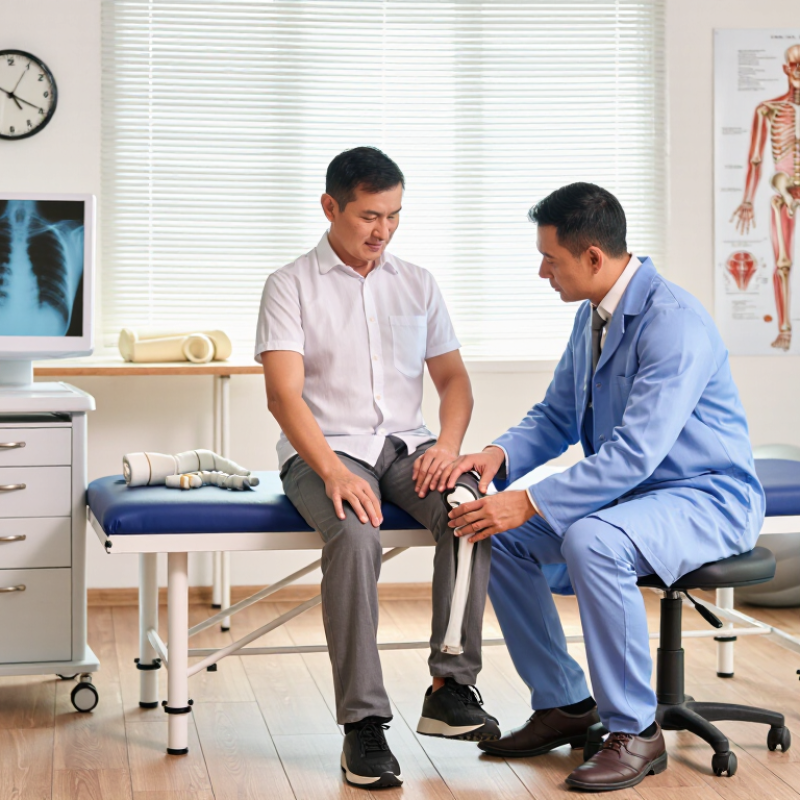
Define Knee Osteoarthritis: China’s Adult Prevalence Reaches About 14.6%
China Top 10 Best Ways to Treat Osteoarthritis in Knees?
Define Knee Osteoarthritis: China’s Adult Prevalence Reaches About 14.6%
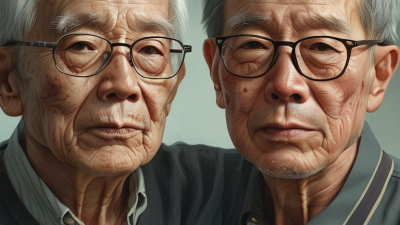
Knee osteoarthritis affects about 14.6% of Chinese adults, according to national epidemiological research. The figure signals a major public health burden, not merely normal ageing. However, estimates vary by age, sex, region, and diagnostic method. That variation deserves attention.
The World Health Organization reported 528 million people living with osteoarthritis globally in 2019. Knee disease remains one of the most common forms. In China, rising life expectancy, previous joint injuries, obesity, and reduced physical activity may increase pressure on knee cartilage. Some patients describe morning stiffness, grinding sensations, or pain when using stairs. Small details matter.
Evidence-based care usually combines weight management, supervised strengthening, walking modification, and mobility exercises. Clinical guidelines also support topical or oral pain medicines when medically suitable. Injections may help selected patients, but results differ and risks require professional assessment. Braces and walking aids can reduce load, although poor fitting may worsen discomfort. Surgery is considered when persistent pain severely limits daily life. Rest alone is rarely enough. It can weaken the muscles.
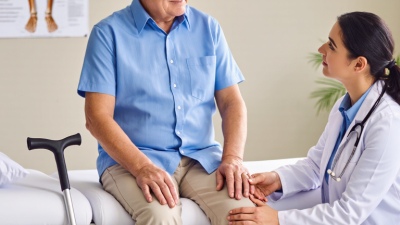
Patients should receive an evaluation from a qualified clinician, especially when swelling, locking, fever, or sudden injury appears. X-rays may show structural changes, but symptoms and function remain equally important. The 14.6% estimate is informative, yet it cannot predict one person’s treatment response.
Prioritize Exercise and Weight Loss: A 5% Loss Can Reduce Knee Stress
China’s top approaches for knee osteoarthritis often include exercise, weight management, physical therapy, and medical care. Exercise and weight loss deserve special attention. The World Health Organization reported that osteoarthritis affected about 528 million people worldwide in 2019. Knee disease was a major contributor.
A 5% weight loss may reduce pressure across the knee during walking. The effect varies with body weight, muscle strength, and joint damage. A 10% reduction produced greater pain and function improvements than exercise alone in a randomized trial published in JAMA. That study also found reduced knee joint loading. The change can feel practical: a lighter step, easier stairs, and less discomfort after standing.
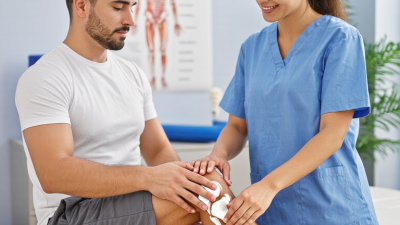
Begin with low-impact movement. Try brisk walking, cycling, swimming, or water exercise for short sessions. Add strength training for the thighs and hips two or three times weekly. The 2019 American College of Rheumatology guideline strongly recommends exercise and weight loss for adults with knee osteoarthritis and excess weight. Do not chase rapid results. A meal plan should protect protein intake, sleep, and energy. Weight loss is not a test of discipline. Pain, age, medication, and access to safe exercise can interfere. I would not promise that 5% will transform every knee. A clinician or physiotherapist can adjust movement when swelling, instability, or sharp pain appears. Small progress still counts.
Weight Loss and Estimated Knee Load Reduction
A 5% reduction in body weight may meaningfully reduce mechanical stress on weight-bearing knees.
Example based on an 80 kg adult: losing 5% equals 4 kg. A commonly used biomechanical estimate suggests that each kilogram of body-weight loss can reduce approximately 4 kg of knee loading per step during walking. This is an estimated mechanical effect, not an individual clinical outcome. Regular low-impact aerobic exercise, muscle strengthening, and gradual weight management are commonly recommended approaches for knee osteoarthritis.
Compare Drugs and Injections: Follow NSAID Safety and Efficacy Data
For knee osteoarthritis, the drug-versus-injection debate needs careful reading of evidence. The 2022 NICE guideline recommends topical NSAIDs before oral NSAIDs when suitable. A Cochrane review found that topical NSAIDs provided meaningful pain relief for about half of treated patients, with a number needed to treat near four to five. Skin irritation remained the most common problem.
Oral NSAIDs can reduce pain more strongly, especially during inflammatory flares. However, they may raise gastrointestinal, kidney, blood-pressure, and cardiovascular risks. The 2019 American College of Rheumatology guideline supports oral NSAIDs, but advises the lowest effective dose for the shortest reasonable period. Patients with ulcers, kidney disease, heart disease, or anticoagulant use need medical review. “Safe” is never automatic.
Injections offer a different trade-off. A Cochrane analysis reported that corticosteroid injections usually provide modest relief, often lasting only several weeks. Their benefit tends to fade by three months. Evidence for hyaluronic acid injections is mixed, and several guidelines do not recommend routine use. Injection discomfort, infection risk, and repeated-treatment uncertainty also matter. The practical choice is less tidy than online lists suggest: age, walking demands, swelling, medications, and previous response should shape the plan. My own cautious view is simple: compare measured pain relief with measurable risk, not promises.
Consider Surgery: Total Knee Replacement Benefits End-Stage OA Patients
China’s best osteoarthritis treatments may begin with exercise, weight management, medication, and physiotherapy. Yet end-stage knee OA can require a different conversation. The World Health Organization reported that about 528 million people lived with osteoarthritis globally in 2019. Knee disease remains a major source of pain and mobility loss.
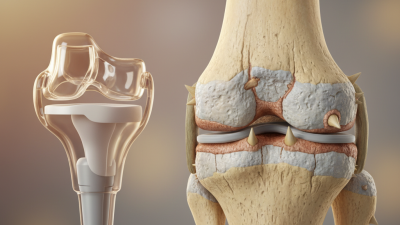
Total knee replacement can reduce severe pain and improve walking when cartilage is extensively damaged. Patients often describe practical changes: climbing stairs, standing from a chair, or shopping without constant hesitation. Clinical guidance from the American Academy of Orthopaedic Surgeons supports surgery after non-operative treatments fail and symptoms remain disabling. The National Joint Registry also tracks millions of joint procedures, helping surgeons evaluate implant durability and revision risks.
Surgery is not a perfect reset. Recovery may take several months, and stiffness, infection, blood clots, or persistent pain can occur. Some patients expect a completely “normal” knee, but that goal is not guaranteed. Honest discussion matters. Age, muscle strength, weight, diabetes, heart health, and daily activity influence outcomes. A specialist should review imaging, pain patterns, and functional limits before recommending replacement. Delaying surgery can preserve independence for some people, while waiting too long may worsen weakness and confidence. The decision deserves careful reflection, not pressure.