What Are the Main Causes of Osteoarthritis in China?
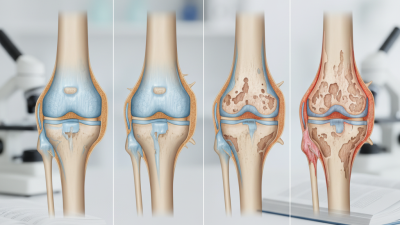
Osteoarthritis is a common joint disorder, especially in China. With the growing elderly population, the implications of this condition are significant. According to Dr. Li Wei, a prominent expert in rheumatology, “Understanding the osteoarthritis causes is crucial for effective prevention and management.”
Research indicates that various factors contribute to osteoarthritis, making it a complex condition. Age, obesity, joint injuries, and genetic predispositions play important roles. For instance, older adults often experience more wear and tear in their joints. Similarly, being overweight increases stress on weight-bearing joints, exacerbating the condition. Yet, many individuals lack awareness of these risk factors.
In addition to physical factors, lifestyle choices can also influence osteoarthritis causes. Sedentary behavior can weaken muscles around the joints. On the other hand, excessive physical activity, especially without proper care, can lead to injuries. It becomes vital for individuals to reflect on their daily habits and understand how they may be contributing to joint health. Addressing these issues could lead to better management of osteoarthritis in the population.
Main Characteristics of Osteoarthritis in China
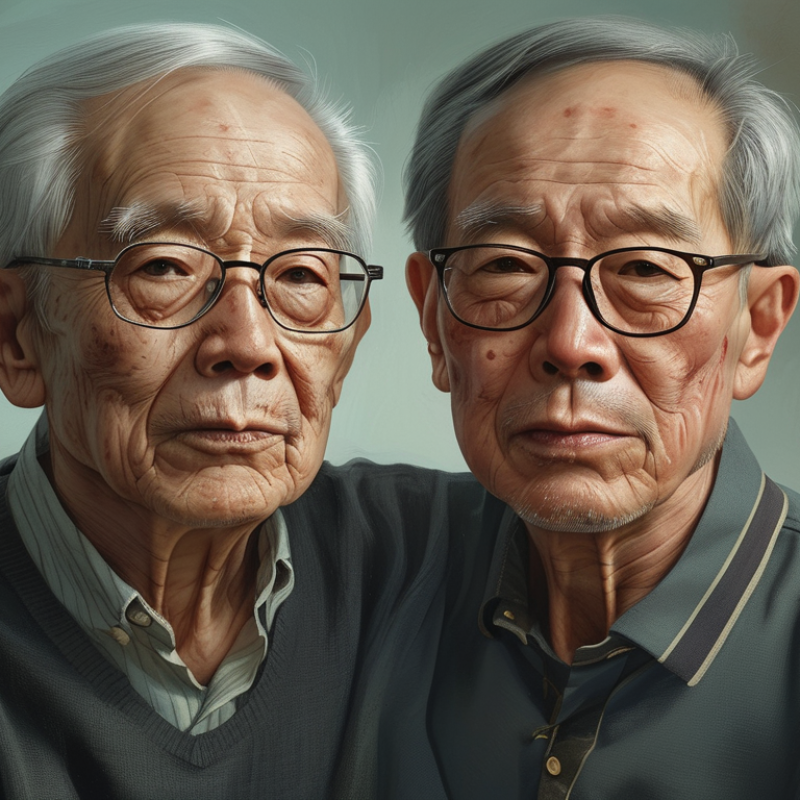
Osteoarthritis, a degenerative joint disease, is increasingly prevalent in China. Its main characteristics reflect significant cultural and lifestyle influences. Aging populations are one contributing factor. With more elderly individuals, the incidence of osteoarthritis rises sharply. Additionally, sedentary lifestyles and urbanization play crucial roles. People in cities often engage in less physical activity, which weakens muscles and joints.
The symptoms of osteoarthritis in China often manifest in specific ways. Many individuals report joint pain, stiffness, and swelling, particularly in the knees and hips. Daily activities can become challenging, leading to decreased quality of life. Furthermore, traditional Chinese medicine approaches sometimes conflict with modern treatments. This can create confusion for patients seeking effective solutions.
Dietary habits also influence osteoarthritis's development. In some regions, high-fat diets and low vegetable intake are common. This contributes to obesity, which places increased stress on joints. Awareness of these characteristics is essential for developing effective prevention strategies. Treatments must consider the unique cultural context of Chinese patients. Understanding this helps address the complexity of osteoarthritis in China.
Genetic Predisposition and Family History of Osteoarthritis
Genetic predisposition plays a significant role in osteoarthritis among the Chinese population. Family history is a crucial factor to consider. Studies indicate that individuals with relatives suffering from osteoarthritis are at a higher risk. This genetic link can manifest through inherited traits that affect joint health and overall resilience.
Understanding your family history can provide valuable insights. If osteoarthritis is prevalent in your family, awareness is key. Regular check-ups become essential. They help catch early signs of the disease. Engaging in joint-friendly exercises can also mitigate risks associated with genetics. Consider incorporating activities that emphasize flexibility and strength.
Diet is another aspect where genetics meet lifestyle. A nutritious diet helps support joint health. Omega-3 fatty acids can reduce inflammation. Antioxidant-rich foods combat oxidative stress, which is particularly valuable for those genetically predisposed to joint issues. Reflecting on your food choices can lead to healthier habits. Are you giving your joints the attention they need? Adjusting your diet can make a difference.
What Are the Main Causes of Osteoarthritis in China? - Genetic Predisposition and Family History of Osteoarthritis
| Cause |
Percentage of Population Affected |
Description |
| Genetic Predisposition |
30% |
Individuals with a family history of osteoarthritis are more likely to develop the condition due to inherited genetic factors. |
| Age |
50% |
The likelihood of developing osteoarthritis increases with age due to the natural wear and tear on joints over time. |
| Obesity |
25% |
Excess body weight adds stress to weight-bearing joints, which can accelerate the breakdown of cartilage. |
| Previous Joint Injuries |
20% |
Injuries such as fractures or ligament tears can increase the risk of developing osteoarthritis later in life. |
| Repetitive Stress on the Joints |
15% |
Jobs or activities that place repetitive stress on specific joints can lead to early wear and tear and result in osteoarthritis. |
Impact of Aging Population on Osteoarthritis Prevalence
As China's population ages, the prevalence of osteoarthritis (OA) is on the rise. Older adults are particularly vulnerable to this degenerative joint disease. The joints of aging individuals experience wear and tear, leading to pain and stiffness. In cities, the growing number of elderly increases the burden on healthcare systems.
China's fast-paced urbanization has contributed to sedentary lifestyles. Many older adults do not engage in regular physical activity, which is crucial for maintaining joint health. Lack of exercise can lead to muscle atrophy, worsening OA symptoms. Despite understanding the need for movement, many feel discouraged by joint pain.
Cultural factors also play a role. Traditional beliefs might discourage elderly people from seeking early treatment. Many consider joint pain a normal part of aging, delaying necessary medical intervention. This mindset can lead to increased disability, impacting their quality of life. Addressing these issues requires widespread awareness and education about the importance of early detection and active management of osteoarthritis.
Impact of Aging Population on Osteoarthritis Prevalence in China
This chart illustrates the estimated prevalence of osteoarthritis across different age groups in China. As shown, the prevalence of osteoarthritis significantly increases with age, highlighting the impact of an aging population on the healthcare landscape regarding this condition.
Lifestyle Factors Contributing to Osteoarthritis in China
Osteoarthritis (OA) is a pressing health concern in China, significantly linked to lifestyle factors. Sedentary behavior is prevalent, especially among urban populations. A 2022 report indicated that over 30% of Chinese adults engage in minimal physical activity. This sedentary lifestyle contributes to the deterioration of joint health.
Diet also plays a crucial role. Many individuals consume diets high in refined carbohydrates and unhealthy fats. This diet can lead to obesity, a major risk factor for OA. Research from the Chinese Academy of Medical Sciences shows that obesity increases the likelihood of developing OA by up to 30%. Additionally, a lack of awareness regarding joint health exacerbates the problem. Public education is often insufficient, leaving many unaware of the preventive measures they can take.
Cultural attitudes towards aging and joint pain further complicate the issue. Many older adults see joint pain as a natural part of aging, often delaying medical consultation. This mindset hinders early intervention. Moreover, societal norms may discourage sharing personal health issues, limiting open discussions about prevention or treatment options. Fostering a culture of health awareness may help reduce OA prevalence in the long term.
Environmental Influences on Osteoarthritis Development
Osteoarthritis in China is influenced by various environmental factors. Urbanization plays a significant role in this issue. As cities expand, people experience a shift in lifestyle. Sedentary habits increase, leading to weight gain and joint stress. Traditional physical activities decline, diminishing muscle strength and joint stability.
Pollution is another crucial environmental factor. Air and water quality deteriorate in densely populated areas. High levels of pollutants can trigger inflammation, making joints more susceptible to damage. Additionally, exposure to extreme temperatures can aggravate symptoms in susceptible individuals. Climate change also alters weather patterns, influencing joint health.
Cultural practices might impact the prevalence of osteoarthritis. In some regions, heavy manual labor is still common. This can lead to joint overuse and injuries. Furthermore, dietary habits rich in processed foods can contribute to obesity. This increases the risk of developing osteoarthritis. Reflecting on these factors is essential for understanding and addressing the growing incidence of this condition in China.