Top 10 Best Ways to Treat Osteoarthritis in the Knees?
Knee osteoarthritis affects mobility, sleep, work, and everyday independence. The World Health Organization reported that approximately 528 million people worldwide lived with osteoarthritis in 2019. Knees are among the joints most often affected. Pain is personal.
For this reason, the “best way to treat osteoarthritis in knees” cannot be reduced to one injection, supplement, or surgical procedure. Current guidance from the American Academy of Orthopaedic Surgeons and NICE emphasizes individualized care. Exercise therapy, weight management when appropriate, education, pain relief, and activity modification commonly form the foundation. Some patients may also consider topical medicines, injections, braces, or joint replacement after clinical assessment.
Small changes matter. A stronger thigh can make stairs feel less demanding. Losing excess body weight may reduce mechanical stress during walking. Yet results vary, and improvement is rarely immediate. The Centers for Disease Control and Prevention identifies osteoarthritis as a major contributor to chronic pain and disability among adults, reinforcing the need for long-term management rather than quick fixes.
This guide examines ten evidence-informed options, including their benefits, limitations, and safety considerations. It also separates clinical evidence from persuasive marketing. Evidence is not perfect. Some studies include small samples, short follow-up periods, or mixed treatment results. Therefore, readers should discuss persistent swelling, locking, instability, or worsening pain with a qualified healthcare professional. A careful diagnosis remains essential, because rheumatoid arthritis, gout, meniscus injuries, and other conditions can resemble knee osteoarthritis.
Understanding Knee Osteoarthritis and Its Common Symptoms
Top 10 Best Ways to Treat Osteoarthritis in the Knees?
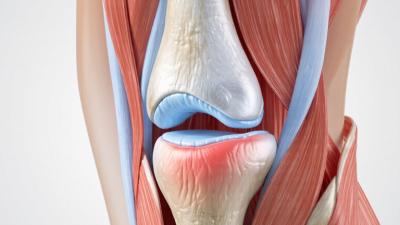
Knee osteoarthritis develops when cartilage gradually wears down and the joint becomes less smooth. Age, previous injuries, excess body weight, and repeated stress may increase the risk. Common symptoms include aching pain, stiffness, swelling, and reduced movement. Many people notice stiffness after waking or sitting for a long time. Climbing stairs can feel especially difficult. Some knees make clicking or grinding sounds. These sounds do not always mean serious damage.
Symptoms may change from day to day. Cold, damp weather can make discomfort feel worse for some people, although the reason remains unclear. Pain does not always match the amount of joint damage seen on an X-ray.
That detail matters. A person with mild imaging changes may feel severe pain, while another may report little discomfort. A careful assessment should include movement, strength, walking patterns, medical history, and daily limitations.
Evidence-based care often combines regular low-impact exercise, muscle strengthening, weight management when appropriate, and pain-relief strategies guided by a clinician. Physical therapy may improve balance and confidence, not just strength. Rest can help during a flare, but too much rest may increase stiffness.
That is an easy mistake to make. Sudden swelling, fever, a hot red joint, or inability to bear weight needs prompt medical attention. Knee symptoms can have causes beyond osteoarthritis, so self-diagnosis is not always reliable.
Assessing Joint Damage and Choosing Appropriate Treatment Goals
Top 10 Best Ways to Treat Osteoarthritis in the Knees?
Assessing Joint Damage and Choosing Appropriate Treatment Goals
Knee osteoarthritis treatment should begin with a careful assessment, not a scan alone. A physical examination reviews swelling, alignment, walking ability, strength, and joint stability. X-rays can show narrowing and bone changes, but imaging findings often poorly match pain severity. MRI is usually reserved for unusual symptoms or suspected internal damage. The Global Burden of Disease 2019 study estimated that 528 million people worldwide lived with osteoarthritis. Knee disease was a major contributor.
Treatment goals must fit the person, not only the joint. Common options include education, strengthening exercise, weight management, physical therapy, walking aids, braces, topical anti-inflammatory medicines, oral anti-inflammatory medicines, and selected injections. Joint replacement may help severe disease with persistent pain and major disability. The 2019 American College of Rheumatology guideline strongly recommends exercise and supports weight loss for adults with overweight and knee osteoarthritis. Even modest weight reduction can reduce mechanical stress during daily movement.
Pain relief is not the only target. Better sleep, safer stairs, and a ten-minute walk may matter more than a perfect X-ray. A common clinical mistake is chasing visible damage while ignoring fear, work demands, or poor muscle control. Treatment plans also need revision. Exercise can aggravate symptoms when progressed too quickly, and injections may provide limited or temporary benefit. NICE guidance published in 2022 advises shared decisions, because risks, expectations, and treatment responses differ between patients.
Top 10 Best Ways to Treat Osteoarthritis in the Knees? - Assessing Joint Damage and Choosing Appropriate Treatment Goals
| No. | Treatment or Management Strategy | Primary Goal | Best-Supported Benefits | When It May Be Appropriate | Important Considerations |
|---|---|---|---|---|---|
| 1 | Structured exercise and physical therapy | Improve strength, mobility, balance, and daily function. | Can reduce pain and improve physical function when performed consistently. | Recommended for most people, including those with mild, moderate, or severe symptoms. | Programs may include quadriceps strengthening, range-of-motion work, aerobic exercise, and supervised or home-based training. Progress gradually. |
| 2 | Weight management when overweight or obese | Reduce mechanical load and improve overall health. | Even modest weight loss can lessen knee loading and may improve pain and function. | Particularly useful when excess body weight contributes to symptoms or limits activity. | Use a sustainable nutrition and activity plan. Weight reduction is not required to begin exercise or other care. |
| 3 | Topical nonsteroidal anti-inflammatory drugs | Provide localized short-term pain relief with limited whole-body exposure. | May reduce knee pain, especially in people who should avoid or minimize oral anti-inflammatory medicines. | Often considered before oral anti-inflammatory treatment for knee osteoarthritis. | Follow label directions. Discuss skin reactions, medication interactions, kidney disease, ulcers, heart disease, and blood-pressure concerns with a clinician. |
| 4 | Oral pain-relieving or anti-inflammatory medicines | Control pain sufficiently to support movement and sleep. | May provide short-term symptom relief when topical treatment is insufficient. | For selected adults after reviewing medical history, current medicines, and risk factors. | Use the lowest effective dose for the shortest appropriate duration. Oral anti-inflammatory medicines can affect the stomach, kidneys, blood pressure, and cardiovascular system. |
| 5 | Activity modification and self-management education | Maintain participation while reducing avoidable symptom flares. | Can improve confidence, adherence, pacing, and day-to-day function. | Useful at every stage, especially when pain varies with workload or repetitive activities. | Use pacing, rest breaks, supportive footwear, heat or cold according to preference, and gradual return to desired activities. Avoid prolonged inactivity. |
| 6 | Walking aids or selected knee supports | Improve stability, confidence, and safe mobility. | A correctly fitted cane may reduce load on the opposite side; selected braces may help some people with instability or specific compartment disease. | When pain, weakness, alignment, or instability interferes with walking. | Fit and instruction matter. Supports should complement, not replace, strengthening and mobility work. |
| 7 | Intra-articular corticosteroid injection | Obtain temporary relief during a painful flare. | May provide short-term improvement in pain and function for some patients. | Considered when symptoms remain troublesome despite exercise and appropriate medicines, or when pain prevents rehabilitation. | Benefits are usually temporary. Repeated injections require individualized discussion, particularly when surgery may be planned or diabetes is present. |
| 8 | Therapeutic aquatic exercise | Enable low-impact movement and conditioning. | Buoyancy can reduce joint loading while supporting aerobic activity, strength, and range of motion. | Helpful when land-based exercise is difficult because of pain, weakness, or reduced confidence. | Choose an accessible program and continue land-based strengthening when tolerated. Consider pool safety and skin or wound issues. |
| 9 | Multidisciplinary rehabilitation and behavioral support | Address pain, sleep, mood, physical limitations, and long-term adherence together. | May improve coping, activity participation, self-management, and quality of life when symptoms are persistent or complex. | Useful when pain is chronic, function is declining, or anxiety, low mood, or fear of movement affects recovery. | May involve physical therapy, occupational therapy, pain education, sleep support, and psychological strategies. |
| 10 | Total knee replacement evaluation | Restore function and relieve severe, persistent symptoms when nonsurgical care is inadequate. | Can substantially improve pain, mobility, and quality of life in appropriately selected patients. | Consider when pain and disability are substantial, imaging and examination support advanced disease, and conservative treatment has not met agreed goals. | The decision should be based mainly on symptoms and functional limitation, not an X-ray alone. Discuss risks, rehabilitation, medical optimization, and realistic recovery expectations. |
Using Exercise and Physical Therapy to Improve Knee Function
Top 10 Best Ways to Treat Osteoarthritis in the Knees?
Using Exercise and Physical Therapy to Improve Knee Function
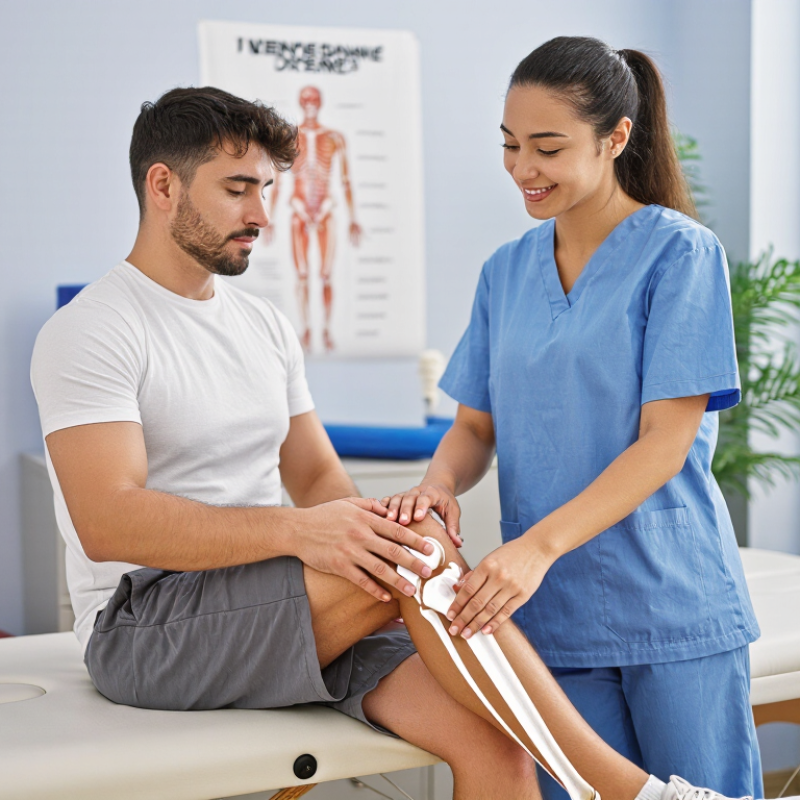
Exercise can reduce stiffness and improve daily knee function in people with osteoarthritis. A physical therapist can assess strength, balance, walking patterns, and joint movement. This assessment matters because knee pain may come from weak hips, limited ankle movement, or poor loading habits. A tailored plan is safer than copying random exercises online.
Strength training often targets the quadriceps, hamstrings, hips, and calf muscles. Useful movements may include supported squats, step-ups, bridges, and seated knee extensions. Begin with controlled repetitions. Keep the knee aligned with the second toe. Gentle cycling or water exercise can warm the joint without excessive impact. Short sessions count.
Pain needs careful interpretation. Mild muscle effort is expected, but sharp pain, increasing swelling, or lasting discomfort requires adjustment. Progress is rarely tidy. A plan may work well for two weeks, then feel difficult after poor sleep or increased walking. That does not always mean failure. It may signal the need for slower progression, better recovery, or professional review. Home exercises only help when performed consistently, and consistency is often harder than the exercise itself. A therapist can modify the routine and teach practical strategies for stairs, chairs, and uneven ground.
Top Ways to Treat Knee Osteoarthritis: Exercise and Physical Therapy
Regular exercise and physical therapy can help improve knee strength, mobility, balance, pain control, and daily function. The chart shows commonly used weekly activity targets: at least 150 minutes of moderate aerobic activity, muscle-strengthening exercise on 2 days, and balance-focused activity on 3 days for older adults.
These targets should be adjusted according to pain, mobility, fitness level, and medical advice. A physical therapist can individualize exercises and progression for people with knee osteoarthritis.
Combining Medicines, Injections, and Supportive Pain Treatments
Knee osteoarthritis affects an estimated 528 million people worldwide, according to the World Health Organization’s 2019 global health estimates. Treatment often works best as a combination, not a single “strongest” option. Topical nonsteroidal anti-inflammatory drugs may reduce localized pain with less whole-body exposure. Oral anti-inflammatory medicines can help, but stomach, kidney, heart, and blood-pressure risks require professional screening.
The 2019 American College of Rheumatology guideline strongly recommends exercise and supports topical anti-inflammatory treatment for knee osteoarthritis. Injections may help when pain limits walking or rehabilitation. Corticosteroid injections usually provide short-term relief, often lasting several weeks. Hyaluronic acid injections have less consistent evidence, so expectations should remain modest. The AAOS 2021 guideline also notes that injection benefits vary between patients.
Supportive care makes the medicine more useful. A cane held opposite the painful knee can reduce loading during a grocery walk. A properly fitted brace may improve confidence on stairs. Heat can loosen morning stiffness, while cold packs may calm swelling after activity. Weight reduction, when appropriate, can lower knee stress and improve movement. Pain scores may improve while function still lags. That mismatch is easy to miss. Clinicians should review progress, side effects, and walking ability rather than relying on pain alone. Evidence is helpful, but it is not perfectly predictable.
Considering Surgery and Long-Term Strategies for Joint Protection
Knee osteoarthritis needs a long view, not a quick fix. The World Health Organization reported that 528 million people lived with osteoarthritis in 2019. Knee pain can quietly shrink daily life, from stairs to short grocery trips. Regular strengthening, walking, cycling, and supervised physical therapy can improve movement and confidence. The American Academy of Orthopaedic Surgeons strongly recommends exercise for suitable patients, although the best routine differs between individuals.
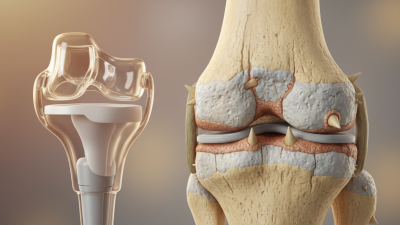
Surgery deserves careful discussion, not fear or automatic acceptance. The National Institute for Health and Care Excellence advises considering joint replacement when pain, stiffness, or disability seriously affects quality of life, and non-surgical care no longer helps. A surgeon should review imaging, fitness, sleep, work demands, and personal goals. Replacement may restore function, but recovery takes weeks or months. Results are not guaranteed. I would question any promise of a painless, permanent outcome. Long-term protection still requires strength training, healthy weight management, sensible activity, and follow-up care.
Tips: Use a walking aid correctly when pain changes your gait. Choose supportive footwear and avoid repeated deep squats during flare-ups. Track pain after exercise, not only during it. A small reduction in body weight may reduce knee loading, but weight advice should remain respectful and individualized. The American College of Rheumatology also supports exercise and weight loss when appropriate, while cautioning that treatment decisions should reflect medical history and patient preferences.
Related Posts
-
How to Recognize Symptoms of Arthritis in Your Knee?
-
Osteoarthritis Knee Surgery What You Need to Know
-
Why Is Osteoarthritis Knee Surgery Needed?
-
Top 10 Reasons for Knee Replacement in Osteoarthritis Patients?
-

2026 How to Prepare for Osteoarthritis Knee Surgery Recovery?
-

Best Osteoarthritis Knee Surgery Options for 2026?
DISCOVER THE POTENTIAL OF INNOVATIVE PROSTHETICS
From minor to severe injuries, our team develops advanced devices designed to support recovery and promote overall wellness.