
How to Recognize Symptoms of Arthritis in Your Knee?
Knee pain is easy to dismiss after a long walk, a stair climb, or years of active work. Yet persistent swelling, stiffness, warmth, or grinding may signal osteoarthritis. Recognizing the symptoms of arthritis in your knee can help you seek an appropriate assessment before simple movements become difficult.
The World Health Organization reports that 528 million people worldwide lived with osteoarthritis in 2019. Knee osteoarthritis affects daily function especially often, including walking, squatting, and rising from a chair. In the United States, the Centers for Disease Control and Prevention estimates that about 32.5 million adults have osteoarthritis. These figures show the scale, but they cannot diagnose your knee.
David Hunter, a leading rheumatologist and osteoarthritis researcher, describes osteoarthritis as “a disease of the whole joint,” involving cartilage, bone, ligaments, and the joint lining. That wider view matters. Pain may appear gradually, while stiffness can feel strongest after rest. Swelling may make the knee look fuller by evening. A creaking sensation is common, but it does not always mean severe damage.
Symptoms vary.
Some people have striking X-ray changes with little pain. Others feel considerable pain despite modest imaging findings. That mismatch deserves reflection. This guide will examine common warning signs, possible causes, and situations requiring medical advice. It is not a substitute for a physical examination. A clinician may assess movement, tenderness, alignment, strength, and relevant imaging before recommending treatment.
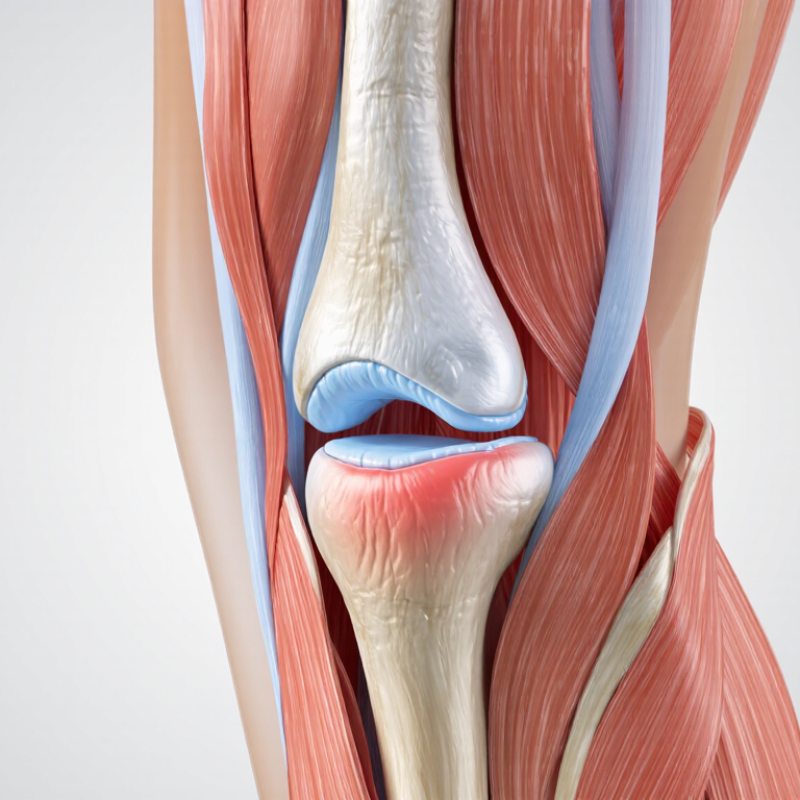
What Is Knee Arthritis?
Knee arthritis is not a single disease. It describes joint damage or inflammation that causes pain and stiffness. Osteoarthritis is the most common form. It develops when cartilage gradually wears down, while nearby bone and tissues become irritated. Age, previous injuries, excess joint strain, and certain inflammatory conditions can increase risk. The process is not simply “old age.”
The World Health Organization estimated that 528 million people lived with osteoarthritis worldwide in 2019. About 73% were older than 55, and women represented 60% of cases. A Global Burden of Disease study also identified the knee as one of the most frequently affected joints. These figures show the scale, but they cannot diagnose one person’s pain.
Early knee arthritis may feel like a dull ache after walking, climbing stairs, or standing for long periods. Morning stiffness often lasts less than 30 minutes. Swelling, clicking, reduced movement, or a feeling of instability can follow. Symptoms may improve with rest, then return after activity. Sometimes, pain severity does not match an X-ray image. That detail is easy to miss.
A healthcare professional usually reviews symptoms, movement, injury history, and physical findings. Imaging may support the assessment, but it is not always necessary at the beginning. A hot, red, suddenly swollen knee, especially with fever, needs prompt medical attention. Personal observation helps: note when pain starts, what triggers it, and whether swelling remains the next morning. Pain patterns are messy. They deserve careful interpretation, not quick assumptions.
Sources: World Health Organization, Osteoarthritis Fact Sheet, 2023; Global Burden of Disease Study 2019.
Common Symptoms of Arthritis in the Knee
Knee arthritis often begins quietly. A dull ache may appear after walking, climbing stairs, or standing for long periods. The joint may feel stiff after sitting, especially in the morning. This stiffness usually eases with gentle movement, but it can return later.
Common symptoms of arthritis in the knee include pain, swelling, reduced flexibility, and a grinding or clicking sensation. Some people notice warmth around the joint. Others feel instability, as if the knee might give way. The Centers for Disease Control and Prevention reported that about 53 million U.S. adults had diagnosed arthritis during 2019–2021. Knee symptoms can affect daily tasks, such as kneeling, rising from a chair, or carrying groceries. Small changes matter.
The World Health Organization estimated that 528 million people worldwide lived with osteoarthritis in 2019. The knee is one of the joints most often affected. However, pain intensity does not always match joint damage. That can be confusing. A swollen knee after an injury may signal something other than arthritis. Sudden redness, severe pain, fever, or an inability to bear weight needs prompt medical assessment. A clinician may review your symptoms, examine movement, and use imaging when appropriate. Tracking pain, stiffness, swelling, and triggers for several days can improve that conversation. This simple record is useful, though it is not a diagnosis.
How to Recognize Symptoms of Arthritis in Your Knee?
Common symptoms of knee arthritis include pain during movement, stiffness after rest, swelling, reduced range of motion, and difficulty with stairs or walking. The chart uses the validated WOMAC-style 0–4 symptom severity scale, where 0 means none and 4 means extreme.
This is an illustrative symptom-rating profile, not a diagnostic assessment. Persistent knee pain, swelling, or loss of function should be evaluated by a qualified healthcare professional.
How Knee Arthritis Symptoms Develop Over Time
How to Recognize Symptoms of Arthritis in Your Knee?
How Knee Arthritis Symptoms Develop Over Time
Knee arthritis often begins quietly. You may notice stiffness after sitting, climbing stairs, or waking up. The first sign can be a dull ache around the kneecap. It may improve after gentle movement. Morning stiffness commonly lasts less than 30 minutes, but this varies between people.
As joint cartilage and surrounding tissues change, discomfort may become more frequent. Walking downhill can feel harder. Your knee might swell after a busy day, while bending becomes limited. Some people notice grinding, clicking, or a brief catching sensation. These sounds do not always mean severe damage. Pain levels can also change with weather, activity, sleep, and muscle strength.
Later, pain may appear during ordinary tasks, such as standing from a chair or carrying groceries. The knee can feel weak or unstable, causing you to avoid certain movements. That avoidance may reduce leg strength and make daily activity harder. I have seen people blame every knee sound on arthritis, which is not always accurate. A sports injury, gout, or another condition can produce similar symptoms. A healthcare professional can assess movement, swelling, medical history, and imaging when appropriate. Seek prompt medical care if the knee becomes suddenly hot, very swollen, red, or impossible to bear weight on.
How Doctors Identify Arthritis in the Knee
Doctors identify arthritis in the knee by combining your symptoms, physical examination, and test results. They ask when pain began, where it appears, and whether stairs or walking make it worse. Morning stiffness, swelling, previous injuries, and changes in activity also provide important clues. A doctor may watch your gait, compare both knees, and check movement, tenderness, warmth, alignment, and joint stability. Gentle pressure can reveal fluid or grinding during motion.
Pain alone can mislead. Some people show significant changes on an X-ray but report little discomfort. Others feel severe pain before clear changes appear. Weight-bearing X-rays commonly show narrowed joint space, bone spurs, or altered alignment. These images help doctors assess wear while you stand, not only while lying down. MRI is not always necessary, but it may examine cartilage, menisci, ligaments, or less obvious problems.
Blood tests do not confirm typical osteoarthritis. They can help investigate rheumatoid arthritis, gout, or infection when symptoms seem unusual. If the knee is very swollen, a doctor may remove a small amount of joint fluid for laboratory testing. A careful diagnosis considers the whole picture. No single test decides everything. Keeping notes about pain, swelling, stiffness, and daily activities can make the consultation more useful. Your own observations may be incomplete, but they still matter.
When Knee Symptoms Require Medical Attention
How to Recognize Symptoms of Arthritis in Your Knee?
When Knee Symptoms Require Medical Attention
Knee arthritis often causes pain, stiffness, swelling, and reduced movement. You may notice discomfort after stairs, long walks, or sitting for hours. A grinding feeling can occur when cartilage becomes thinner. According to the World Health Organization’s 2023 osteoarthritis report, about 528 million people lived with osteoarthritis in 2019. Knee disease was one of the most affected forms. Still, every painful knee is not arthritis. Tendon problems, injuries, and gout can look similar.
Medical attention is important when pain suddenly becomes severe or follows a fall. Seek prompt care if you cannot bear weight, the knee looks deformed, or it locks during movement. A hot, red, swollen joint with fever needs urgent assessment. These signs may indicate infection or another serious condition. The Centers for Disease Control and Prevention reports that arthritis affects more than 53 million adults in the United States. That number shows its scale, but it does not replace an individual examination. I might underestimate a “small” ache. Persistent symptoms deserve more respect.
Tips: Track swelling, stiffness, and pain triggers for one week. Use gentle movement, not forced exercise. Avoid heat if the joint is acutely swollen. Arrange an appointment if symptoms last several weeks, worsen, or disturb sleep. A clinician may assess walking, strength, range of motion, and imaging results before suggesting treatment.
How to Recognize Symptoms of Arthritis in Your Knee? - When Knee Symptoms Require Medical Attention
| Symptom or Finding | How It May Present in Knee Arthritis | Typical Pattern | Recommended Response |
|---|---|---|---|
| Knee pain | Aching, soreness, or sharper pain during walking, stair climbing, squatting, or standing up. | Often worsens with activity and may improve with rest, especially in osteoarthritis. | Arrange a medical assessment if pain persists, limits normal activities, or gradually worsens. |
| Stiffness | Difficulty bending or straightening the knee, particularly after sitting or waking. | Osteoarthritis stiffness is commonly brief after rest; prolonged morning stiffness can occur with inflammatory arthritis. | Seek evaluation if stiffness lasts for a prolonged period, repeatedly returns, or affects mobility. |
| Swelling | Puffiness around the joint caused by inflammation or excess joint fluid. | May appear after activity or occur with inflammatory conditions. | Contact a clinician for unexplained or recurring swelling, particularly when both knees or other joints are involved. |
| Crepitus or grinding | Clicking, crackling, or grating sensations when the knee moves. | Can occur as cartilage and other joint structures change; sounds alone do not confirm arthritis. | Request medical advice when noises occur with pain, swelling, weakness, or reduced movement. |
| Reduced range of motion | The knee does not fully bend or straighten, making daily tasks more difficult. | Usually develops gradually, but a sudden loss of movement requires prompt attention. | Schedule an assessment if movement continues to decline or the knee becomes locked. |
| Warmth or redness | The skin over the knee feels warmer or appears red compared with the other side. | May occur with inflammatory arthritis, gout, injury, or infection. | Prompt medical evaluation is important, especially with fever, severe pain, or rapid swelling. |
| Weakness or instability | The knee feels unreliable, gives way, or makes standing and walking difficult. | Can result from pain, muscle weakness, or changes within the joint. | Seek medical advice to reduce fall risk and identify the underlying cause. |
| Symptoms requiring urgent care | Severe sudden pain, inability to bear weight, major deformity, rapidly increasing swelling, or a hot red knee with fever. | These symptoms may indicate a serious injury, infection, or another condition that is not routine arthritis. | Seek urgent medical care rather than self-treating or delaying evaluation. |
Note: Knee symptoms can have causes other than arthritis. A healthcare professional may use a physical examination and, when appropriate, imaging or laboratory tests to determine the cause.
Related Posts
-
How to Relieve Arthritis in Your Knee?
-
What to Know About Osteoarthritis Knee Surgery Options?
-

Top Tips for Arthritis Knee Replacement Success
-

2026 How to Prepare for Osteoarthritis Knee Surgery Recovery?
-

10 Essential Tips for Recovery After Osteoarthritis Knee Surgery
-
2026 Best Symptoms of Arthritis in Your Knee You Should Not Ignore?
DISCOVER THE POTENTIAL OF INNOVATIVE PROSTHETICS
From minor to severe injuries, our team develops advanced devices designed to support recovery and promote overall wellness.