China Best Products to Help Prevent Osteoarthritis?
Osteoarthritis develops over time, and no single product can guarantee prevention. This guide examines China-made and China-available products that may support joint-friendly habits, such as walking shoes, resistance bands, and adjustable exercise equipment. The focus is practical: a stable shoe on a damp pavement, or a band that makes gentle leg strengthening easier at home. These products may help people stay active, but they do not replace medical care or eliminate joint risk.
To help prevent osteoarthritis, consistent movement, healthy weight management, and avoiding repeated joint injuries matter more than any one purchase. A knee sleeve may feel reassuring during activity, yet it cannot repair cartilage or prevent the condition on its own. Product quality also varies, so readers should check sizing, materials, safety instructions, and return policies. When pain, swelling, or stiffness persists, advice from a qualified clinician is more reliable than a product claim. Small print matters.
This overview will compare useful features, realistic benefits, and limitations, drawing on established health guidance rather than advertising promises. It will also distinguish comfort and exercise support from proven disease prevention. Evidence is not equally strong for every product, and that is worth saying plainly. Some recommendations may feel less exciting than a quick fix. Still, a suitable product can make a healthy routine easier to maintain. The aim is informed choice—not a promise that shopping alone can prevent osteoarthritis.
Osteoarthritis in Context: WHO Reports 528 Million Cases Worldwide in 2019
In 2019, about 528 million people worldwide were living with osteoarthritis, according to the World Health Organization. That figure makes joint health more than a private concern. It may mean painful stairs, stiff fingers opening a jar, or shorter walks to the market. Osteoarthritis commonly affects knees, hips, and hands, yet symptoms vary widely. A global estimate cannot tell one person’s story.
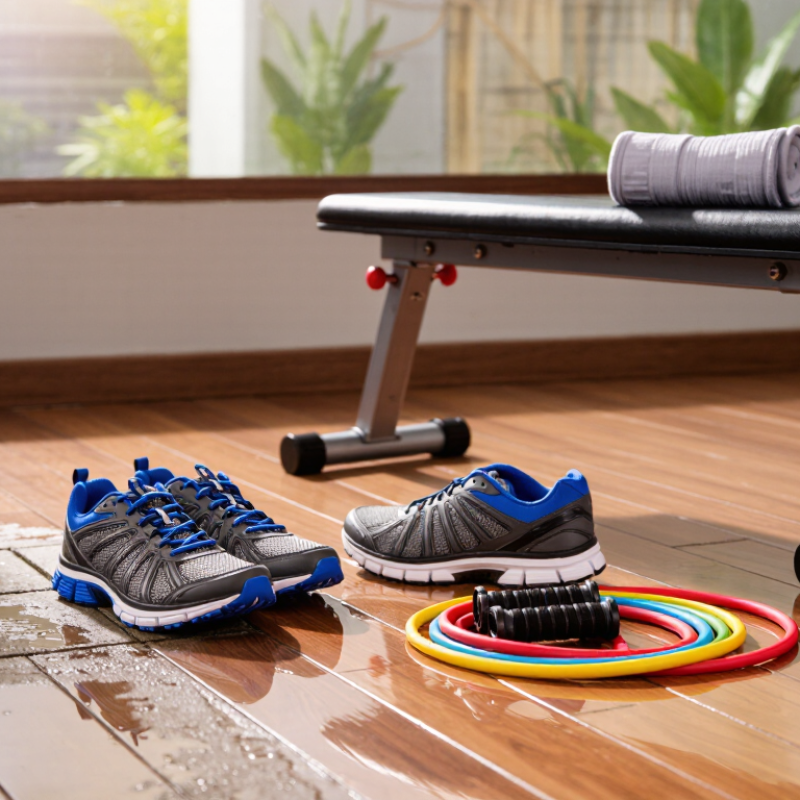
Products can support daily movement, but none can promise to prevent osteoarthritis. In China, practical choices may include stable, well-cushioned shoes, a properly fitted walking aid, or a handrail for safer steps. The right choice depends on the joint, balance, and advice from a qualified health professional. Regular low-impact activity and muscle strengthening can help maintain function. Maintaining a healthy weight may also reduce stress on weight-bearing joints. Small changes matter. Still, prevention is not fully within anyone’s control.
Tips: Choose shoes that feel secure, not merely soft. Ask a clinician whether a brace or walking aid suits your needs. Seek medical advice for persistent pain or swelling.
Risk Reduction: ACR Reports Benefits from 5% Weight Loss for OA
Osteoarthritis cannot always be prevented, but managing body weight may reduce strain on vulnerable joints. The American College of Rheumatology recommends weight loss for people with knee or hip osteoarthritis who are overweight or obese. Even a 5% reduction in body weight may improve pain and function. Greater loss can bring additional benefit for some people, though results vary.
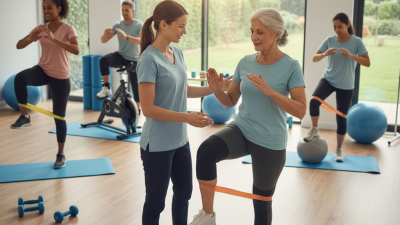
That percentage can feel more achievable than a dramatic target. For someone weighing 90 kilograms, it means about 4.5 kilograms. Small, steady changes may help: serving slightly smaller portions, choosing filling foods, and taking a short walk on level ground. A chair-based strength routine can be useful when walking hurts. It is not a quick fix.
Weight loss does not replace medical care, and it cannot guarantee that osteoarthritis will be avoided. Joint pain may have several causes. A clinician or registered dietitian can help set a safe plan, especially for people with chronic conditions or mobility limits. Be patient with progress; the scale may stall, and that can be frustrating. The goal is sustainable change, not punishment.
China Best Products to Help Prevent Osteoarthritis? — Risk Reduction: ACR Reports Benefits from 5% Weight Loss for OA
What the chart shows: ACR/Arthritis Foundation guidance says weight loss can improve symptoms for people with knee or hip osteoarthritis who are overweight or obese. Improvement can be clinically meaningful starting at about 5% weight loss, and greater weight loss is associated with greater benefit. The bars show weight-loss milestones—not measured symptom improvement or a guarantee of prevention.
Support Products: ACR Recommends Canes and Selected Knee Braces
A cane can reduce load on a painful knee and make walking feel steadier. The 2019 American College of Rheumatology and Arthritis Foundation guideline strongly recommends cane use when osteoarthritis affects walking or causes pain. Use it in the hand opposite the sore knee, and ask a clinician or physical therapist to check its height and your walking pattern. Fit matters. A cane is support, not a cure, and it may take practice to use safely.
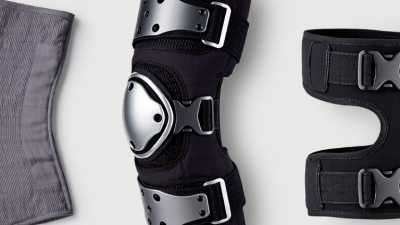
For knee braces, the same guideline strongly recommends tibiofemoral bracing for people whose knee osteoarthritis substantially affects pain, stability, or walking. It conditionally recommends patellofemoral bracing for selected cases. A brace should match the affected joint area; the wrong fit can rub skin or feel restrictive. WHO estimated that 528 million people worldwide had osteoarthritis in 2019, including 365 million with knee osteoarthritis. These figures show the scale of need, not a guarantee that a support product will help every person. Discuss comfort, fit, and daily activities with a healthcare professional, then reassess whether the device is genuinely useful.
Joint Supplements: ACR Strongly Recommends Against Glucosamine for OA
China Best Products to Help Prevent Osteoarthritis?
The American College of Rheumatology and Arthritis Foundation’s 2019 guideline strongly recommends against glucosamine for hand, hip, or knee osteoarthritis. The panel found no reliable benefit in the strongest evidence and noted concerns about biased results. This is a treatment recommendation, not proof that every person will respond identically.
A 2010 BMJ network meta-analysis examined 10 trials involving 3,803 people with knee or hip osteoarthritis. Glucosamine, chondroitin, and their combination did not produce clinically meaningful pain relief compared with placebo. The reported difference was about 0.4 cm on a 10-centimeter pain scale, below the review’s 0.9-centimeter threshold for a meaningful change. Supplements may also interact with medicines, so “natural” does not always mean risk-free. That can be disappointing.
Tips: Before buying a joint supplement, discuss your symptoms and medications with a qualified clinician. For joint health, the ACR guideline supports exercise and, for people with overweight or obesity, weight loss. A short walk or chair-based movements may be more practical than an expensive bottle. Supplements are not proven to prevent osteoarthritis or restore cartilage. A clinician can help tailor options to your health and daily routine.
Choosing Products in China: Check NMPA Registration and Evidence-Based Claims
When comparing products in China, check the exact product name and manufacturer in the National Medical Products Administration (NMPA) database. Confirm its registration or filing status and the approved purpose. Rules differ across medicines, medical devices, and health foods. A registration number is not proof that a product prevents osteoarthritis.
Look closely at the claims. “Supports joint health” is not the same as proven prevention. The 2019 Global Burden of Disease analysis, reported by the World Health Organization, estimated that 528 million people worldwide had osteoarthritis; 365 million had knee osteoarthritis. That burden makes credible evidence important. Check whether claims refer to human trials, relevant outcomes, and a comparable product—not just laboratory findings or testimonials. Check the details.
Be cautious with promises of cartilage “repair” or guaranteed protection. No supplement should be treated as preventive based on a label or registration alone. Product pages can be polished; I would not use that as evidence, though it is an easy mistake to make. If a product is intended to treat symptoms, ask a qualified clinician whether it is suitable, especially when taking other medicines. A clear label should state ingredients, dosage, warnings, and the responsible manufacturer.