
2026 Top Knee Braces for Bad Knees
A bad knee can make everyday movement feel less predictable. Stairs may sting, walks may end early, and standing through a workday can become tiring. A knee brace may offer support or compression, but the right choice depends on the problem, activity, and fit. No brace works equally well for everyone.
This 2026 guide explores knee braces for different needs, including flexible sleeves, hinged designs, and options that help limit unwanted movement. It focuses on practical details: how a brace feels under clothing, whether it stays in place, and how easy it is to adjust during the day. Small things matter. A brace that rubs behind the knee or slips during a walk may spend more time in a drawer than on your leg.
A brace is not a diagnosis or a guaranteed fix. Persistent pain, swelling, instability, or a recent injury deserves attention from a qualified healthcare professional. They can help identify the cause and advise whether a brace is appropriate. That step can feel inconvenient, admittedly. Still, buying support based only on a product photo may not solve the real problem. Use this guide to compare features, ask better questions, and find an option that suits your daily routine—not just a product description.
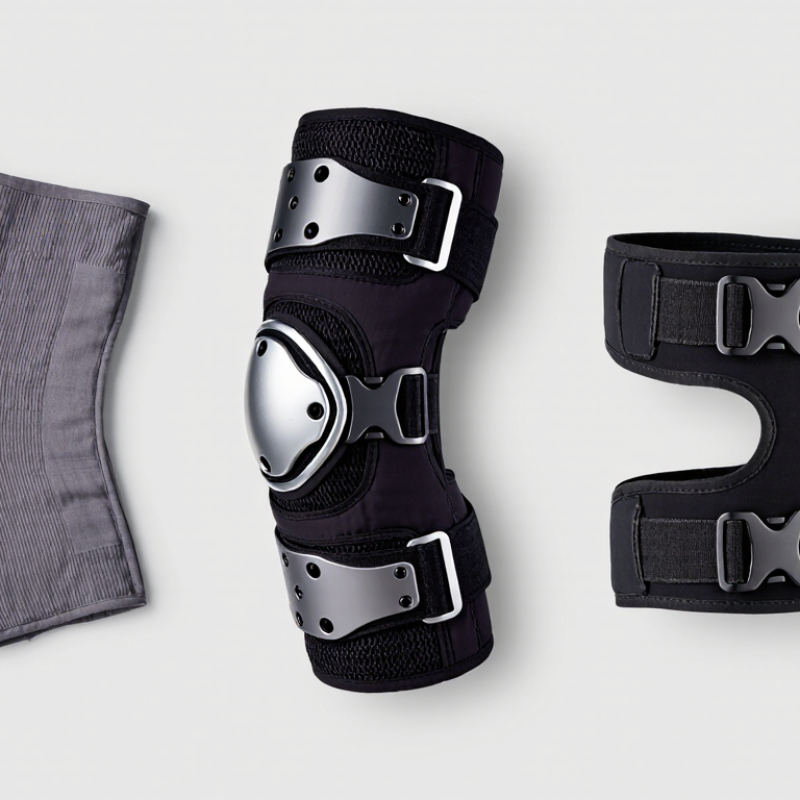
How Knee Braces Support Unstable, Painful, or Injured Knees
A knee brace can steady a joint, but different problems call for different support. Hinged braces may limit side-to-side movement after some ligament injuries. Patellar-support braces help guide kneecap movement, while unloading braces shift pressure away from one part of an arthritic knee. Support, not repair.
The American College of Rheumatology and Arthritis Foundation’s 2019 guideline strongly recommends tibiofemoral bracing when knee osteoarthritis substantially affects pain, walking, or stability. Fit still matters. A brace should feel secure, not pinch your calf or leave numbness or persistent skin marks.
Try standing, turning, and climbing a few steps; notice whether the knee feels steadier. This is only a rough check. Braces can slip, feel bulky, or change how you walk.
A clinician or physical therapist can help match the brace to the problem, especially after an injury or when swelling persists. Pain can have causes a brace will not address.
Common Knee Conditions That May Benefit From a Brace
Knee braces can help manage symptoms, but the right choice depends on the condition and the activity. With knee osteoarthritis, an unloading brace may shift pressure away from an affected side of the joint. Some people notice steadier steps on uneven pavement. Others find the brace bulky or uncomfortable after an hour. Fit matters.
After a mild ligament sprain, a hinged brace may limit unwanted side-to-side movement while the knee heals. Patellofemoral pain, often felt around or behind the kneecap, may respond to a sleeve or a brace that helps guide kneecap movement. Evidence and individual results vary. A meniscus injury is different: a brace may support comfort, but it cannot repair torn cartilage. That distinction is easy to overlook.
Watch for warning signs. Persistent swelling, repeated buckling, or trouble bearing weight deserves medical assessment. A clinician or physical therapist can check the knee and help match support to the diagnosis. A brace should feel secure, not painfully tight; numbness, skin irritation, or increased pain are reasons to remove it and seek advice. It may help during a walk, yet still need adjustment for stairs or longer use. That can be frustrating. The goal is safer movement, not replacing rehabilitation or a proper evaluation.
2026 Top Knee Braces for Bad Knees - Common Knee Conditions That May Benefit From a Brace
| Knee condition | Brace type commonly considered | Possible role | Important considerations |
|---|---|---|---|
| Knee osteoarthritis affecting one compartment | Unloader brace | May shift some load away from the affected side of the knee and reduce pain during walking for some people. | Benefit varies. Correct fitting and the location of arthritis matter; a clinician can help assess whether this type is appropriate. |
| Patellofemoral pain | Patellar-support brace or sleeve | May provide a feeling of support during activity for some people. | Evidence for braces is mixed. Exercise-based rehabilitation and activity adjustments are often important parts of care. |
| Mild knee ligament sprain, such as an MCL sprain | Hinged knee brace | May provide side-to-side support while the ligament heals, depending on injury severity. | Brace choice and duration should be guided by an examination. More serious injuries need prompt medical assessment. |
| Knee instability after an ACL injury or reconstruction | Functional hinged brace, when prescribed | May offer support or confidence during selected activities for some patients. | A brace does not replace rehabilitation or restore the ligament. Whether to use one depends on the injury, treatment plan, and clinician’s advice. |
| Meniscus injury | Usually no condition-specific brace; a hinged brace may be used in selected cases | Temporary support may be recommended when symptoms, another injury, or a post-operative protocol calls for it. | Bracing is not routinely needed for every meniscus injury. Treatment depends on symptoms, examination findings, and any accompanying damage. |
| Knee pain or swelling without a confirmed diagnosis | Soft sleeve, only if comfortable and appropriate | May provide warmth or a subjective sense of support; it does not identify or treat the underlying cause. | Seek assessment for persistent or worsening symptoms, substantial swelling, locking, giving way, or difficulty bearing weight. |
Note: A knee brace is not suitable for every condition and should fit properly. This table is general information, not a diagnosis or an individualized treatment plan.
Main Types of Knee Braces and Their Support Features
Knee braces differ in what they stabilize. A soft compression sleeve offers light pressure and may help with warmth and body awareness, but it does not mechanically control major instability. Hinged braces add side supports, making them a common option after ligament injury or when the knee feels wobbly. For arthritis affecting one side of the joint, an unloader brace shifts pressure away from that area. Patellar braces use a strap or shaped opening to guide the kneecap during movement. Support should match the problem, not just the pain.
Clinical guidance can help set expectations. The American College of Rheumatology and Arthritis Foundation’s 2019 guideline strongly recommends tibiofemoral bracing for knee osteoarthritis when pain or instability affects walking or daily activities. It conditionally recommends patellofemoral bracing for patellofemoral osteoarthritis. These recommendations do not mean every brace works for every person. Fit matters: a brace that slides down during a short walk may rub behind the knee or provide little useful support. That detail is easy to underestimate.
Tips: Try the brace while standing, walking, and bending your knee. Check for pinching, numbness, or skin irritation. Ask a physical therapist or clinician to confirm the brace type and fit, especially after an injury. A snug fit is useful; painful pressure is not.
How to Compare Fit, Comfort, Materials, and Level of Support
A knee brace should match the task, not just the label “bad knees.” Start with fit: measure where the instructions specify, and compare the result with the size chart. The brace should feel secure without pinching or sliding when you sit, stand, and walk. Check the edges after a few minutes. Red marks, numbness, or tingling can mean it is too tight.
Comfort depends on more than padding. A lightweight, breathable fabric may feel better during a warm walk, while firmer panels can add structure but also bulk. Support varies too: a sleeve offers gentle compression, while braces with side supports or hinges restrict some movement. More support is not automatically better. A clinician can help match the design to your knee, activity, and recovery needs. It is easy to overvalue a rigid brace; I would still judge it by how it feels during ordinary movement.
Tips: Try it over the clothing you expect to wear. Bend your knee, take a short walk, and check for slipping. Follow the care label, since washing can affect elastic and fasteners. If pain worsens or the brace causes skin irritation, stop and ask a qualified health professional for guidance.
Top Knee Braces for Bad Knees in 2026 and Their Best Uses
2026 Top Knee Braces for Bad Knees
Top Knee Braces for Bad Knees in 2026 and Their Best Uses
The right brace depends on what makes your knee hurt and when symptoms appear. A soft compression sleeve may suit mild swelling or provide gentle support during walks. It will not stabilize a seriously unstable joint. For ligament-related instability, a hinged brace can limit unwanted side-to-side movement. After injury or surgery, brace choice and settings should come from a qualified clinician. An unloading brace may help some people with arthritis concentrated on one side of the knee. Patellar-support designs may be considered for certain kneecap-related symptoms. These options are not interchangeable.
Tips: Check the fit while standing and bending. The brace should feel secure, not tight. Remove it if you notice numbness, tingling, skin discoloration, or worsening pain. A sleeve that rolls down after ten minutes is probably not the right fit.
Match the brace to the task: a sleeve may be easier for everyday errands, while a hinged design can feel bulky under trousers. Start with a short wear period and inspect your skin afterward. A brace can make movement feel safer, but that feeling does not prove the knee is protected from further injury. If pain persists, swelling increases, or the knee repeatedly gives way, seek medical assessment rather than relying on a brace alone. Sizing charts help, but they can still miss the shape of an individual leg.
2026 Top Knee Braces for Bad Knees: Types and Best Uses
A practical comparison of common knee-brace types by their typical level of structural support. Support levels are qualitative categories, not standardized clinical scores or a ranking of products.
How to read: Sleeves generally provide compression; straps target support around the kneecap tendon; hinged and unloader braces provide more structured support for specific needs; post-operative range-of-motion braces are designed for controlled movement during recovery. The right brace depends on the condition and should be discussed with a healthcare professional.
Related Posts
-
Top Benefits of Using the Ossur Unloader Knee Brace for Pain Relief?
-

Top 10 Best Treatments for Knee Arthritis
-
10 Essential Tips for Knee Replacement Due to Osteoarthritis?
-

Best Solutions for Knee and Joint Pain Relief Today?
-
How to Use the Ossur Unloader Hip Brace for Effective Pain Relief?
-

China Top Knee Replacement for Osteoarthritis Suppliers
DISCOVER THE POTENTIAL OF INNOVATIVE PROSTHETICS
From minor to severe injuries, our team develops advanced devices designed to support recovery and promote overall wellness.