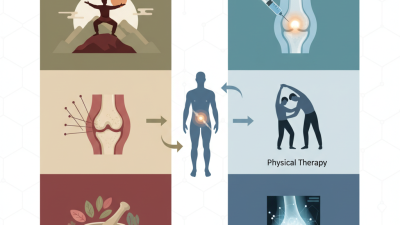
Top Tips for the Best Way to Help Arthritic Knees?

Living with arthritis can be challenging, especially when it affects the knees. Many people seek the best way to help arthritic knees, hoping to regain comfort and mobility. Effective strategies are crucial for managing pain and improving joint function.

Exercise plays a vital role. Low-impact activities, like swimming or cycling, can strengthen muscles around the knee. They help support the joint without adding stress. Weight management is also key. Maintaining a healthy weight reduces pressure on the knees, leading to less pain.

Diet can impact inflammation. Foods rich in omega-3 fatty acids, like fish and walnuts, can help. Staying hydrated is important too. Yet, finding the best way to help arthritic knees often requires trial and error. Each person's experience is unique. Consulting with healthcare professionals can provide tailored advice. Remember, what works for one may not work for all.

Top Tips for the Best Way to Help Arthritic Knees?

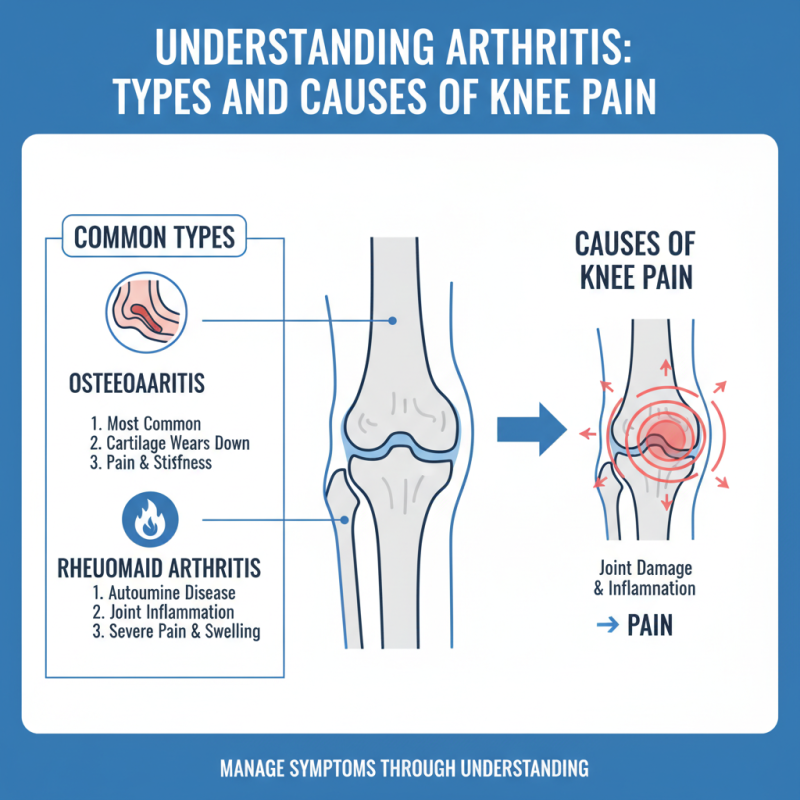
Understanding Arthritis: Types and Causes of Knee Pain
Top Tips for the Best Way to Help Arthritic Knees?

Arthritis is a common condition affecting the knees. Understanding the types can help in managing symptoms. Osteoarthritis is the most common type. It occurs when cartilage wears down. This leads to pain and stiffness. Rheumatoid arthritis is another type. It is an autoimmune disease. It causes inflammation in the joints. This can result in severe pain and swelling.

Knee pain can also arise from injuries. Ligament tears or meniscus damage may happen during physical activities. Sometimes, overuse can strain the knee. Lifestyle factors also play a significant role. Being overweight increases pressure on the knees. Poor posture and lack of exercise can exacerbate issues.

Identifying the exact cause of knee pain is vital. A healthcare professional can provide guidance. Early diagnosis can lead to better management strategies. Being aware of what triggers pain can help avoid further discomfort. It’s important to listen to the body. Rest and modifications can be beneficial.
The Role of Physical Activity in Managing Knee Arthritis

Knee arthritis can be debilitating, but maintaining an active lifestyle can significantly improve quality of life. According to the Centers for Disease Control and Prevention (CDC), regular physical activity helps reduce pain and boost mobility for arthritis sufferers. Engaging in low-impact exercises like walking, swimming, or cycling can enhance joint function and decrease stiffness. A study published in the Journal of Rheumatology found that 150 minutes of moderate exercise each week can lead to substantial improvements in functional ability.

Tips for incorporating physical activity into your routine include starting slow and progressively increasing intensity. Consider any pain level and adjust your activities accordingly. Physical therapy is another valuable resource. A qualified therapist can tailor a program that addresses individual needs while minimizing discomfort.

Listening to your body is crucial. If you experience pain, rest and consult a healthcare professional. Remember, not all days will be easy; some may feel challenging. Stay consistent and focus on small victories, as they can lead to meaningful progress over time.

Nutrition and Supplements: What Helps Arthritic Knees?

When managing arthritic knees, nutrition plays a crucial role. Foods rich in omega-3 fatty acids, like salmon and walnuts, can reduce inflammation. Incorporating more fruits and vegetables can also help, as they are packed with antioxidants. Consuming anti-inflammatory spices such as turmeric and ginger may provide relief as well.

Hydration is essential. Drinking plenty of water keeps joints lubricated. Dehydration can worsen pain and stiffness. You might include herbal teas for added benefits; green tea, in particular, is noted for its anti-inflammatory properties.

Supplements can aid in managing arthritis symptoms. Omega-3 supplements may also be beneficial if you don't like fish. Glucosamine and chondroitin sulfate have shown promise for some individuals. Before starting any new supplement, consulting a healthcare provider is wise.

Monitoring your progress is essential. Not every diet or supplement will work for everyone. Document how your knees respond to dietary changes or new supplements. This self-reflection can help identify what truly works for your unique situation.

Therapeutic Options: Medications and Alternative Treatments

Arthritis in the knees affects millions. Therapeutic options exist, offering various pathways for relief. Medications like NSAIDs are common. They reduce inflammation and pain. According to the CDC, 30% of adults with arthritis use these. However, they may not be suitable for everyone.

Alternative treatments are gaining traction. Methods like physical therapy and acupuncture show promise. A study published in the Journal of Rheumatology revealed that acupuncture can reduce knee pain by up to 40%. Additionally, exercise programs tailored for arthritis patients are essential. Low-impact activities like swimming and cycling help.

Some individuals find relief through supplements. Glucosamine and chondroitin have mixed results in studies. It’s crucial to consult healthcare providers before starting any treatment. Everyone's experience with arthritis differs. What works for one may not work for another. Listening to your body is vital in finding the best approach.

Top Tips for the Best Way to Help Arthritic Knees

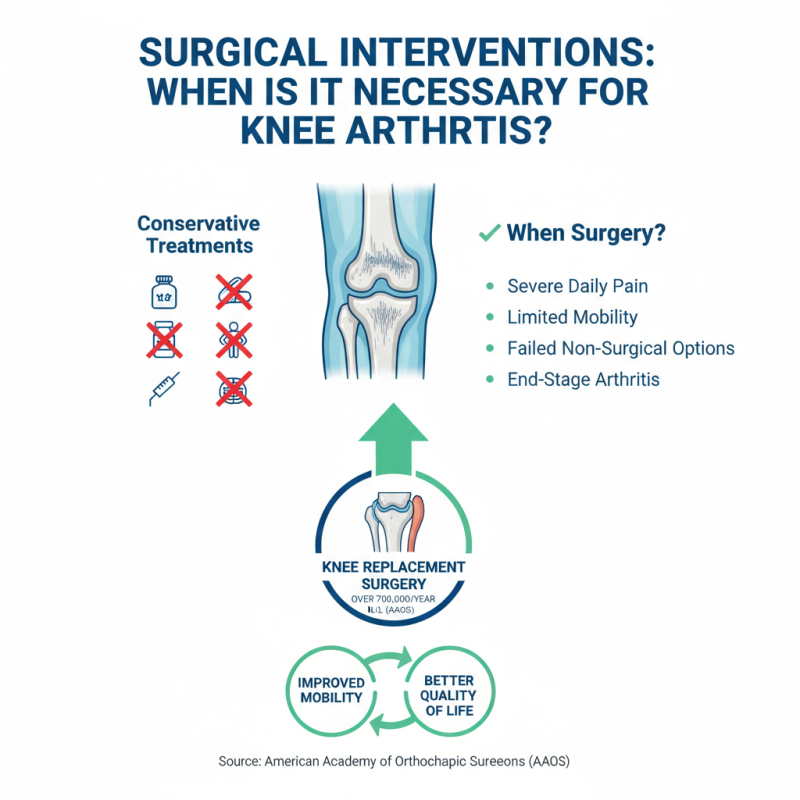
Surgical Interventions: When Is It Necessary for Knee Arthritis?

Top Tips for the Best Way to Help Arthritic Knees?

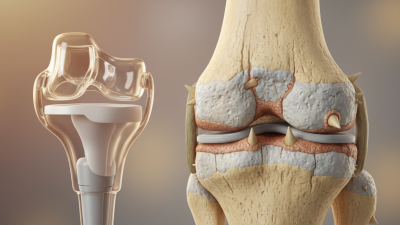
Knee arthritis can severely impact daily life. When conservative treatments fail, surgical interventions may be necessary. According to the American Academy of Orthopaedic Surgeons (AAOS), over 700,000 knee replacement surgeries occur each year in the U.S. alone. These surgeries can drastically improve mobility and quality of life for patients suffering from end-stage arthritis.

Not every case requires surgery. Patients should explore all non-surgical options first, such as physical therapy, medications, and lifestyle changes. Studies show that around 80% of knee arthritis patients find relief through non-invasive measures. However, if pain persists or mobility declines sharply, it's time to consider surgical options. A consultation with an orthopedic surgeon is crucial to evaluate the individual case thoroughly.

Surgical options include arthroscopy and total or partial knee replacement. Each option comes with its own risks and benefits. For example, while knee replacement can offer significant relief, about 10% of patients experience complications. This calls for careful reflection on whether surgery is the best route based on one’s unique circumstances. As decisions are made, weighing both the potential benefits and drawbacks is essential for managing knee arthritis effectively.

DISCOVER THE POTENTIAL OF INNOVATIVE PROSTHETICS

From minor to severe injuries, our team develops advanced devices designed to support recovery and promote overall wellness.

Contact Us