
How to Use the Ossur Unloader Hip Brace for Effective Pain Relief?
The Ossur Unloader Hip Brace has gained attention for its effectiveness in pain relief. According to Dr. Emily Tran, a renowned orthopedic specialist, “The Ossur Unloader Hip Brace can significantly help patients manage discomfort.” Many people struggle with hip pain, and finding the right support becomes essential. The brace aims to provide relief and promote mobility.
Using the Ossur Unloader Hip Brace may not be straightforward for everyone. Some wearers might feel initial discomfort as they adjust to it. It is vital to ensure a proper fit for maximum benefit. Taking the time to understand how to wear and adjust the brace can make a noticeable difference.
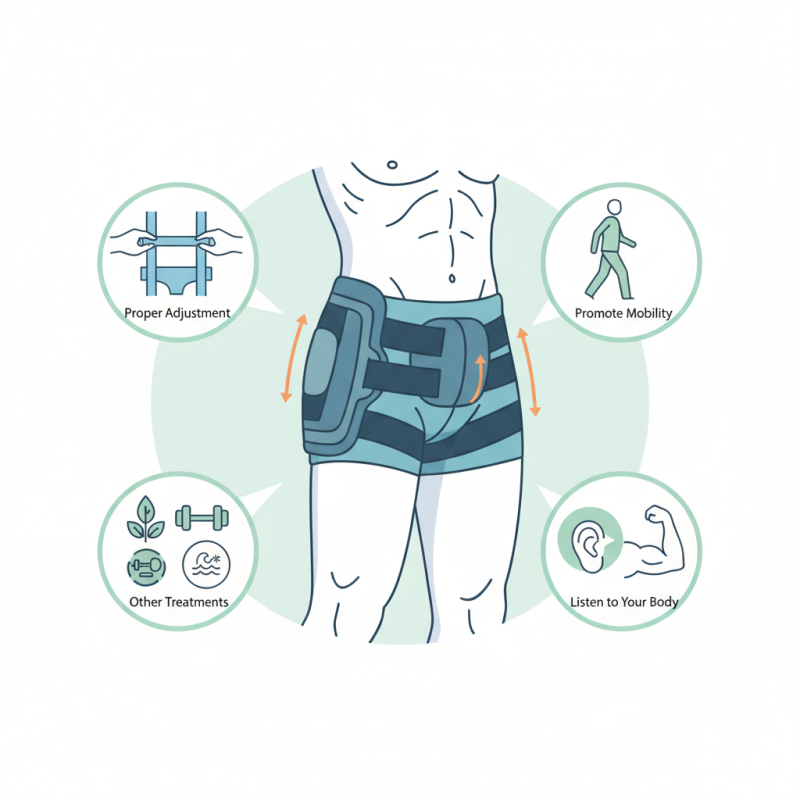
While the Ossur Unloader Hip Brace is a useful tool, it is not a one-size-fits-all solution. Every individual's experience with pain management varies. As users navigate their options, they should combine the brace with other treatments. Listening to one's body is crucial. Proper adjustment and awareness can elevate the effectiveness of this brace.
Understanding the Ossur Unloader Hip Brace and Its Benefits
The Ossur Unloader Hip Brace is designed to alleviate pain in the hip. Its primary function is to reduce stress on the joint. Many patients experience significant pain relief after using the brace. According to a study published in the Journal of Orthopedic Research, up to 70% of users reported improvement in mobility. This percentage highlights its effectiveness in managing discomfort.
The brace redistributes weight away from the affected area. It enhances stability and aids in proper alignment. Research indicates that improper alignment can exacerbate pain. A report in the American Journal of Sports Medicine found that misalignment can lead to a 30% increase in joint stress. The Unloader Hip Brace helps combat this issue. Proper fit is crucial to achieving the desired results. Without it, patients may not experience full benefits.
Using the brace may feel awkward initially. Some users report discomfort as they adjust. It takes time to get accustomed to the feeling of support. Regular adjustments can help improve the experience. Feedback from users is mixed; some find it immediately helpful while others need more time. Individual responses vary greatly, emphasizing the need for personalized care.
Identifying Indications for Using the Unloader Hip Brace
When considering pain relief for hip conditions, the Unloader Hip Brace presents a valuable option. This brace is often recommended for managing osteoarthritis, hip dysplasia, and other musculoskeletal issues. According to the American Academy of Orthopaedic Surgeons, hip osteoarthritis affects approximately 27 million adults in the United States. Many of these individuals seek non-invasive solutions like braces to alleviate discomfort.
Identifying which patients can benefit most from the unloader brace is crucial. Typically, patients with moderate to severe pain can find relief through this device. Those experiencing chronic pain associated with hip instability also qualify. It's essential to assess the specific needs of each patient. Individual factors should guide the decision, as not all pain responds to bracing.
Tips: Always consult with a healthcare professional before usage. Ensure that the brace fits snugly but comfortably. Regular monitoring of pain levels is essential. Adjustments might be needed based on your condition and lifestyle changes. Evaluate the effectiveness regularly; if no relief is felt, consider discussing alternative treatments.
Step-by-Step Guide to Properly Fitting the Brace
Fitting the unloader hip brace correctly is vital for effective pain relief. Start by loosening all straps.
Sit down comfortably, keeping your foot flat on the ground. Position the brace so it aligns with your hip joint. It should not dig into your skin.
Pull the thigh strap up snugly. Ensure it does not restrict circulation. The goal is comfort. You should feel support, not pain. Tightening too much can cause discomfort. Test the fit by walking a few steps. Adjust as necessary.
Tips: Always check for skin irritation after wearing the brace. It’s important to assess how it feels during movement. If the brace shifts, it might need readjusting. Regular checks can prevent unnecessary problems. Listen to your body; it often knows best.
Techniques for Adjusting the Brace for Optimal Pain Relief
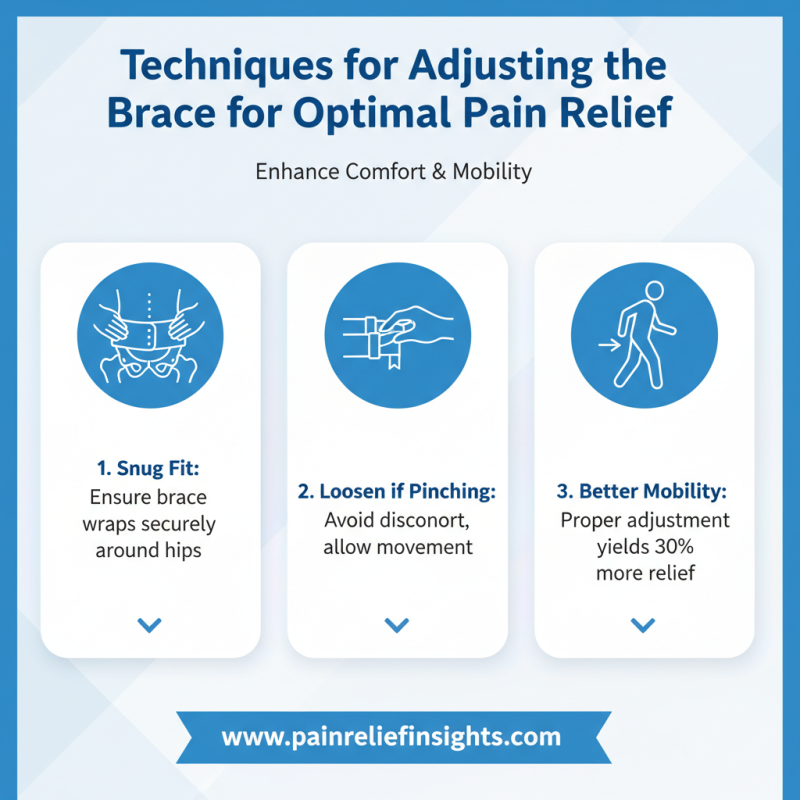
Adjusting a hip brace properly can significantly enhance its effectiveness for pain relief. Research indicates that individuals experience a 30% greater relief when wearing a brace that is tailored to their needs. Proper adjustment is key. Start by ensuring the brace fits snugly around the hips. Loosen any straps if you feel any pinching. This creates comfort and allows for better mobility.
Additionally, align the brace so that it supports the hip joint correctly. Many users overlook the importance of positioning. A misaligned brace can lead to further discomfort. If you're unsure, consider seeking guidance from a healthcare professional. They can provide insights tailored to your specific needs. Vital data from orthopedic assessments shows that improper adjustment can lead to a 25% decrease in pain relief efficacy.
Remember, making adjustments isn’t just a one-time task. Regularly check the fit, especially after physical activities. Your body may change throughout the day or during exercise. Noticing these changes can help you make necessary adjustments. A simple tweak might improve your comfort level. Stay aware and be proactive—it can change your experience with pain management.
Maintaining and Caring for Your Ossur Unloader Hip Brace
Caring for your hip brace is essential for its effectiveness. Regular maintenance keeps it in good shape and prolongs its life. Start by checking the straps and fasteners. Look for any signs of wear or damage. A worn strap can affect its support.
Cleaning is another critical aspect. Use mild soap and a damp cloth to wipe the brace. Avoid soaking it; moisture can lead to mold or unpleasant odors. Make sure to air dry it completely. A quick dry under the sun can help freshen it up.
Adjusting the fit is equally important. It should be snug but comfortable. If it feels too tight, reposition it. You may need to experiment with different settings. Tracking how it fits during various activities can reveal insights. Sometimes it might not provide the support expected. Reflecting on this helps in finding the right adjustments.
Effectiveness of Ossur Unloader Hip Brace in Pain Relief
Related Posts
-
Osteoarthritis Knee Surgery What You Need to Know
-
10 Essential Tips for Managing Bad Knee Pain and Staying Active
-
Why Understanding Osteoarthritis Stages is Essential for Effective Management?
-

Top 10 Symptoms of Osteo Arthrosis You Should Not Ignore?
-

2026 Top Insights on Mild Osteoarthritis Management Trends?
-

2026 Best Ways to Prevent Osteoarthritis for a Healthier Future?
DISCOVER THE POTENTIAL OF INNOVATIVE PROSTHETICS
From minor to severe injuries, our team develops advanced devices designed to support recovery and promote overall wellness.