
How to Use a Plaster Saw for Efficient Cutting Techniques?
Using a Plaster Saw effectively can significantly enhance your cutting experience. A Plaster Saw is specialized for making precise cuts in plaster materials. Whether you're a DIY enthusiast or a professional, mastering this tool is essential.
When you hold a Plaster Saw, ensure a firm grip. Make clean, controlled movements. Unexpected slips can happen. Practice is key to achieving better control. This saw is lightweight, but it still requires attention. Each cut should be deliberate and measured.
Consider the type of plaster you are working with. Some materials are softer, while others are tougher. Know your material well. Cutting through thick plaster can be frustrating. It may take extra effort, and mistakes can occur. Learning from these moments will improve your technique over time. Embrace the journey of mastering the Plaster Saw.
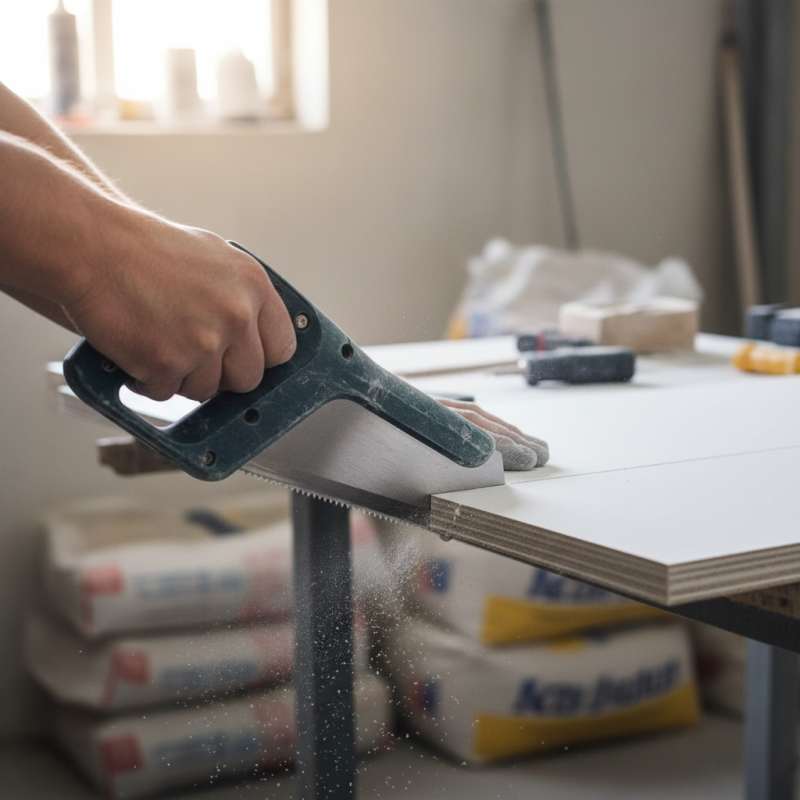
Introduction to Plaster Saws and Their Uses
Plaster saws are specialized tools designed for cutting through plaster and other similar materials. They typically feature a serrated blade that allows for smooth and efficient cutting. Unlike traditional saws, plaster saws minimize dust and debris, making them ideal for indoor projects. This tool is commonly used in construction, renovation, and repair tasks. Knowing how to use a plaster saw can significantly enhance your efficiency in these projects.
When using a plaster saw, start by marking your cutting line clearly. Precision is key to avoid mistakes. The serrated blade grips the plaster well. Maintain a steady hand while cutting, and apply consistent pressure. Occasionally, take a break to check your progress. This helps avoid over-cuts that could ruin your work. You might struggle at first, becoming frustrated by uneven cuts or rough edges. Recognizing this common challenge can help you improve your technique over time.
Practice is crucial for mastering the use of a plaster saw. It may feel awkward at first, but repetition will build confidence. Always prioritize safety; wear goggles and a mask to protect against dust. If the blade becomes dull, it may lead to poor cuts. Reflect on your work to identify areas for improvement. With time and experience, you will find that plaster saws can greatly simplify your cutting tasks.
How to Use a Plaster Saw for Efficient Cutting Techniques
Selecting the Right Plaster Saw for Your Project
Choosing the right plaster saw can significantly impact your project’s outcome. A study by the International Plastering Association found that the tool’s efficiency can improve cutting speed by 30%. This means selecting an appropriate saw can reduce labor time and enhance precision. The right saw depends on the material thickness, cut type, and the overall project scale.
For drywall or standard plaster, a fine-toothed saw is preferable. This type provides cleaner edges, minimizing the need for additional finishing work. However, using a more aggressive saw on thick materials often results in rough cuts. Adapting your choice based on the material can lead to better performance.
Many beginners overlook the importance of tool maintenance. A dull saw blade forces you to apply more pressure, which can compromise accuracy. Regularly inspect and replace blades as needed. Industry reports suggest that neglected tools can decrease effectiveness by nearly 20%. Taking the time to maintain your plaster saw will save you from frustration down the line.
Essential Safety Precautions When Using a Plaster Saw
Using a plaster saw requires proper safety precautions. It’s vital to protect yourself from dust and flying debris. Always wear goggles to shield your eyes. A dust mask is essential too. It will help you avoid inhaling harmful particles. Proper clothing should also be considered. Avoid loose-fitting clothes that can catch on the saw.
Before starting, ensure your workspace is clean. Clear away any obstacles that might trip you. Check the plaster saw for any damage. Faulty equipment can be hazardous. When you begin cutting, keep your hands steady. A slip can lead to serious injuries. Focus on your movements. If you feel fatigued, take a break. Fatigue can lead to mistakes.
Additionally, always cut away from your body. This will help prevent accidental injury. After finishing, clean your work area immediately. Dust and debris can create slipping hazards. Reflect on the process afterward. Are there areas where you could improve? Each project is a learning opportunity. Embrace the lessons learned for future use.
Step-by-Step Techniques for Efficient Cutting
When using a plaster saw, proper technique is crucial. Start with the right grip. Hold the saw firmly but not too tightly. An ergonomic hold lets you control the cut better. Accuracy is key. Aim for straight lines to reduce wastage. Studies show that precise cuts can decrease the need for extensive finishing work by up to 30%.
Preparation makes a big difference. Clear the work area. Loose debris can distract you. Always wear protective gear. Safety glasses and gloves protect against flying debris. Many injuries occur from improper handling. In fact, industry reports indicate that over 20% of accidents involve unprepared users.
Cutting speed matters. A slow and steady approach ensures cleaner cuts. Jumping into fast-paced work often leads to mistakes. Practice makes perfect. But even experienced users can falter. Reflecting on your technique can reveal areas to improve. Prioritize quality over speed. It will save time in the long run.
Tips for Maintaining Your Plaster Saw for Longevity
Maintaining a plaster saw is crucial for its longevity. Regular cleaning is essential. After each use, wipe the blade and body to remove plaster dust. This prevents buildup that can cause rust and reduce efficiency. A soft brush helps dislodge stubborn particles. Make sure to keep it in a dry place to avoid moisture damage.
Check the blade frequently for wear. A dull blade makes cutting harder and more imprecise. If it shows signs of damage, replace it promptly. Don’t hesitate to use a sharpening tool if you notice minor dullness. Improper handling can lead to avoidable accidents, so practice good techniques. Store it safely away from direct sunlight to protect its components.
While using a plaster saw, be mindful of your workspace. A cluttered area can lead to distractions. This might lead to mistakes during cutting, potentially harming the material. Even experienced users can overlook safety measures. Regularly assess your approach. Remember, care and attention can prolong the life of your tools.
How to Use a Plaster Saw for Efficient Cutting Techniques? - Tips for Maintaining Your Plaster Saw for Longevity
| Cutting Technique | Description | Maintenance Tip | Frequency |
|---|---|---|---|
| Straight Cuts | Use a consistent motion for clean straight cuts. | Clean the blade after each use. | After each use |
| Curved Cuts | Gently steer the saw while applying light pressure. | Lubricate the saw before extended use. | Weekly |
| Dado Cuts | Make multiple passes for deeper cuts. | Inspect for damages regularly. | Monthly |
| Notching | Create precise notches in plaster with slow and steady motion. | Ensure all screws and nuts are tight before use. | Before every use |
| Detail Cutting | Use the tip of the saw for fine details and edges. | Store in a dry place to prevent rust. | As needed |
Article Source:
DISCOVER THE POTENTIAL OF INNOVATIVE PROSTHETICS
From minor to severe injuries, our team develops advanced devices designed to support recovery and promote overall wellness.
