Why Understanding Osteoarthritis Stages is Essential for Effective Management?
Understanding osteoarthritis stages is crucial for effective management of this common joint condition. Dr. Emily Johnson, an expert in orthopedic medicine, states, "Recognizing each stage of osteoarthritis allows for tailored treatment plans." Each stage impacts treatment choices and patient outcomes.
The early stages often show minimal symptoms, making diagnosis challenging. Patients might ignore subtle signs, thinking they are just signs of aging. However, intervention during these stages can slow progression and alleviate pain.
As the disease advances, understanding these stages becomes increasingly vital. Patients often express frustration when treatments don’t yield expected results. Each stage of osteoarthritis demands specific approaches, and failing to recognize this can lead to unnecessary suffering. Managing osteoarthritis effectively means connecting the dots between its stages and patient care.

Understanding Osteoarthritis: An Overview of the Condition
Osteoarthritis is a common condition that affects millions. It occurs when the cartilage that cushions bones wears down over time. This leads to pain, stiffness, and swelling in joints. Many people may not realize how severe their symptoms can become if ignored. Early understanding can change the course of management.
Recognizing the stages of osteoarthritis is critical. In the initial stage, pain might be mild and sporadic. As the condition progresses, discomfort can increase and may become constant. People often underestimate how just small changes in activity can amplify pain. It can be frustrating to face limitations that others do not.
Managing osteoarthritis requires a tailored approach. For some, physical therapy can be beneficial. For others, lifestyle adjustments may be necessary. Yet, not all treatments work the same for everyone. Monitoring symptoms and understanding the disease is vital. Reflecting on how osteoarthritis affects daily life is important for effective management.
Understanding Osteoarthritis Stages
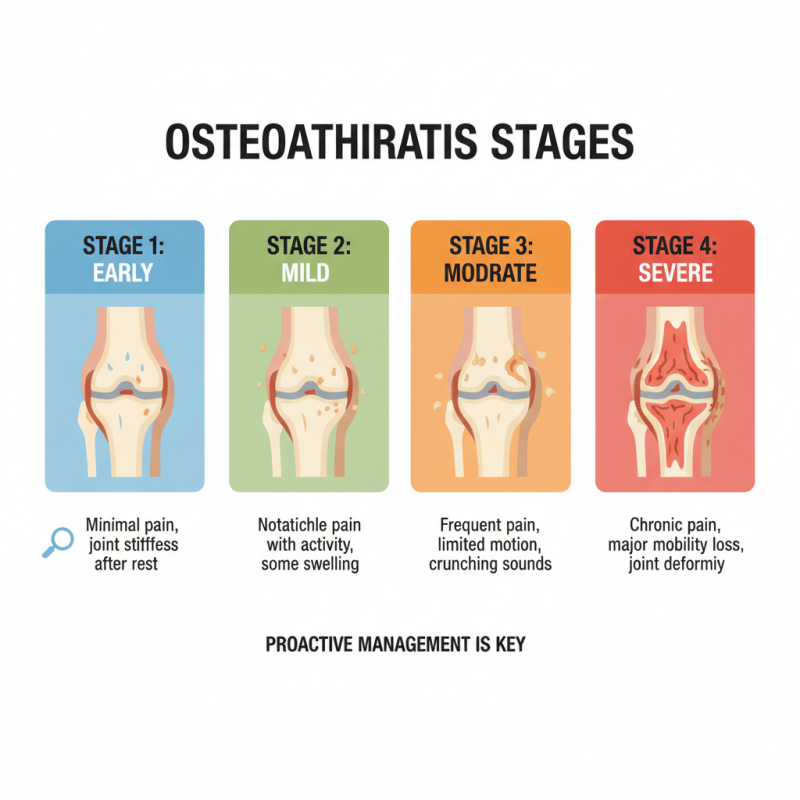
This bar chart illustrates the distribution of patients across different stages of osteoarthritis. Understanding these stages is essential for effective management and treatment planning, as it helps clinicians tailor interventions based on the severity of the condition.
The Importance of Staging in Osteoarthritis Management
Understanding the stages of osteoarthritis (OA) is crucial for effective management. Each stage presents unique symptoms and challenges. Early-stage OA may show slight joint stiffness after inactivity. There could be minimal pain during movement. Recognizing these signs helps individuals take proactive steps.
In contrast, moderate OA often brings more severe pain and reduced flexibility. Daily activities may become daunting. At this stage, treatment plans should shift focus. Physical therapy, medication, and lifestyle changes are key. Understanding these details assists both patients and healthcare providers in tailoring approaches.
Finally, advanced OA leads to significant joint damage. Pain can be debilitating. It often hinders the simplest of tasks. This stage requires more intensive intervention. Reflection on individual needs and preferences becomes vital. Many may feel frustration navigating this progression. Each stage teaches us about resilience and adaptation, but honesty about one's limitations is equally important.
Key Characteristics of Osteoarthritis Stages
Understanding the stages of osteoarthritis is crucial for effective management. This degenerative joint disease progresses through several identifiable phases. Early detection can significantly alter treatment outcomes. Research indicates that 27 million adults in the U.S. have osteoarthritis, with its prevalence increasing sharply in older populations.
In the initial stages, patients may experience mild discomfort and stiffness. These symptoms often go unnoticed, leading many to postpone medical attention. As the condition advances, pain intensifies, and joint function declines. At this point, individuals might struggle with basic activities, such as climbing stairs or walking. Reports show that nearly 80% of sufferers report difficulty performing daily tasks at stage two or higher.
Management becomes increasingly challenging as osteoarthritis progresses. Notably, evidence suggests that lifestyle interventions can slow the deterioration. For instance, regular exercise and weight management are beneficial. Approximately 50% of overweight patients find relief when they lose just 10% of their body weight. However, many patients encounter barriers that prevent them from making these changes, highlighting the need for better support systems.
Impact of Osteoarthritis Progression on Patient Quality of Life
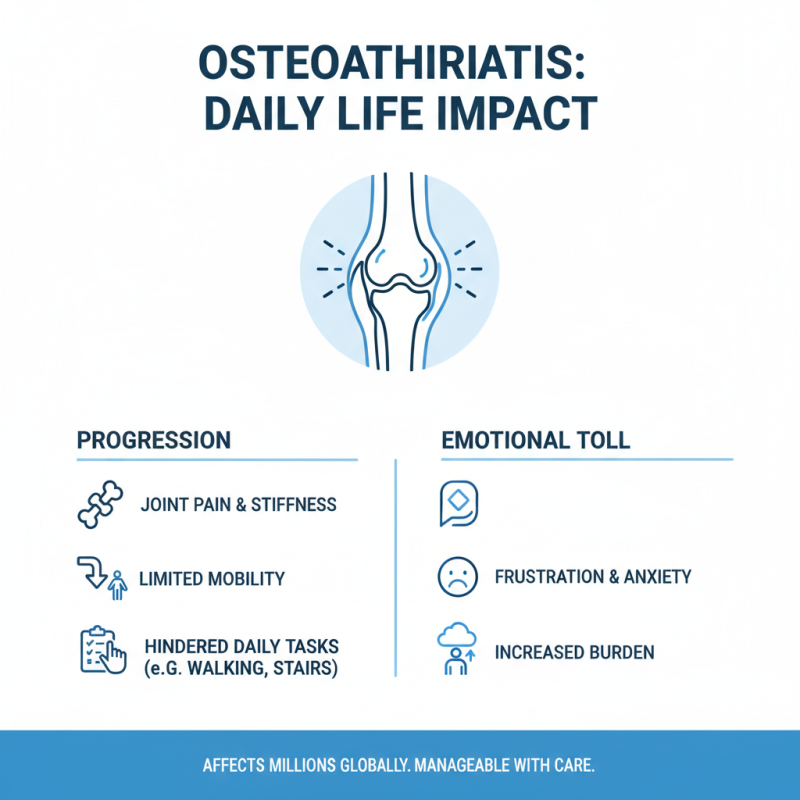
Osteoarthritis (OA) affects millions worldwide. Its progression directly impacts a person’s daily life. As the disease advances, joint pain and stiffness increase. These symptoms can limit mobility and hinder everyday tasks. Simple activities like walking or climbing stairs become challenging. Patients often feel frustrated and anxious. These emotional struggles add to the overall burden of the disease.
Understanding the stages of OA can help in managing symptoms. Early stages often show minor pain during activity. Patients might ignore these signs, thinking they are normal. However, this neglect can lead to more severe problems. Once OA advances, the pain may become constant and debilitating. At this point, a patient’s quality of life can significantly decline. They might miss social events or family gatherings. Feeling isolated can further worsen their mental health.
Effective management requires recognizing these changes. Communication with healthcare providers is crucial. Patients need to advocate for their needs. A proactive approach can include physical therapy and lifestyle changes. Each stage offers a chance for intervention. Yet, many hesitate to address their discomfort early. This reluctance can create a cycle of pain and lost opportunities. Understanding OA's stages empowers patients to reclaim control over their health.
Effective Strategies for Managing Different Stages of Osteoarthritis
Understanding the different stages of osteoarthritis is crucial for effective management. Each stage presents unique challenges that require tailored strategies. In the early stages, patients may experience mild discomfort and stiffness. Exercise and physical therapy can provide significant relief. A study found that 50% of individuals reported improved mobility with consistent exercise routines.
As the condition progresses, pain levels often increase. Daily tasks may become burdensome. At this stage, incorporating assistive devices can be beneficial. Research indicates that the use of braces or orthotics can reduce pain by 30%. Moreover, weight management plays a key role. Excess weight exacerbates joint stress. Losing even a small percentage of body weight can lead to noticeable improvements.
In advanced stages, joint damage may be irreversible. Pain management becomes critical. Non-steroidal anti-inflammatory drugs (NSAIDs) are commonly used, but they can have side effects. Some patients may also consider alternative therapies. These variations in strategies reflect the need for individualized care plans. Understanding each stage allows patients and healthcare providers to work together in making informed decisions.
DISCOVER THE POTENTIAL OF INNOVATIVE PROSTHETICS
From minor to severe injuries, our team develops advanced devices designed to support recovery and promote overall wellness.