Top 10 Symptoms of Osteo Arthrosis You Should Not Ignore?

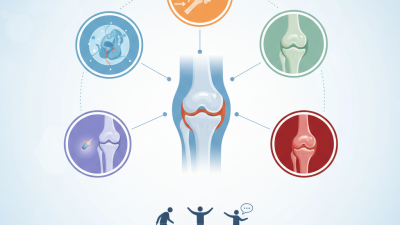
Osteo arthrosis is a common joint condition that affects millions of people worldwide. This degenerative disease can lead to chronic pain and limited mobility. Recognizing the early symptoms is crucial for effective management.

Ignoring the signs can worsen the situation. Common symptoms include stiffness, joint pain, and swelling. Many people dismiss these signs as normal aging. However, this can lead to further deterioration.

Being aware of osteo arthrosis is essential. Early intervention can make a significant difference. Staying informed helps you take proactive steps in your health journey. Everyone deserves to live a life free from pain and discomfort. Don’t ignore the message your body is sending you.

Top 10 Symptoms of Osteo Arthrosis You Should Not Ignore?

Top 10 Early Symptoms of Osteo Arthrosis You Should Recognize
Top 10 Symptoms of Osteo Arthrosis You Should Not Ignore?

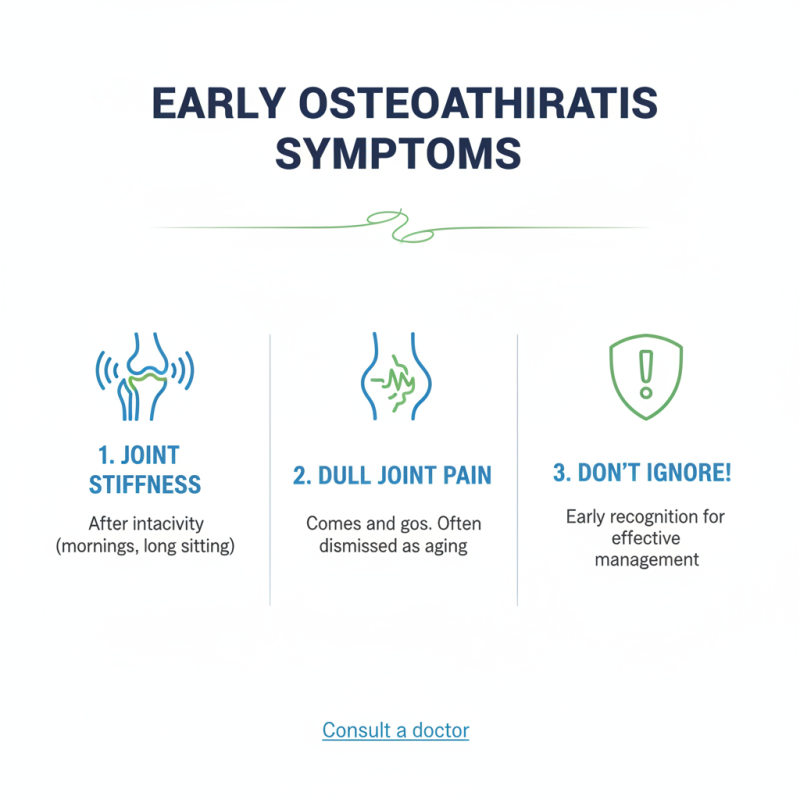
Recognizing early symptoms of osteo arthrosis can be crucial for managing the condition effectively. One common sign is joint stiffness, particularly after periods of inactivity. You may find it hard to get up in the morning or after sitting for a long time. This stiffness often accompanies dull pain in the joints, which can come and go. Many dismiss this pain, attributing it to aging, but it deserves attention.

Another symptom to watch for is swelling around the joints. This can happen after physical activity or even with minimal movement. People often overlook it, thinking it’s just inflammation. Additionally, a noticeable decrease in range of motion can occur. If you struggle to perform everyday tasks, it might be time to consider this possibility. Sounds familiar? You might also notice a grinding sensation or sound during movement, known as crepitus. This can be alarming but is often dismissed as normal wear and tear.

Catch these signs early. It is easy to overlook them. Acknowledging these symptoms can lead to better management strategies. Don't let a busy schedule push your health aside. Tune into your body and heed these warnings. Ignoring them could worsen the condition over time.
Understanding Joint Pain: The First Indicators of Osteo Arthrosis

Joint pain can often be dismissed as a normal part of aging. However, understanding the initial indicators of osteoarthrosis is crucial. Many people overlook their first symptoms, mistaking them for minor aches. Pay attention to stiffness in your joints, especially in the morning. If it takes longer to loosen up after resting, this might be a red flag.

Swelling around the joints can also signal trouble. A swollen knee or finger isn't just a result of exertion. These areas may feel tender or warm to the touch. You might notice a grinding sensation when moving a joint. This can be unsettling, hinting at cartilage wear. Even subtle changes in your range of motion can indicate the onset of osteoarthrosis. If simple tasks become challenging, it's time to reflect on your body's signals. Ignoring them could lead to more significant issues down the road.

The Role of Stiffness in Osteo Arthrosis: A Critical Symptom Analysis

Stiffness is a key symptom of osteoarthrosis, and it often goes unnoticed. Many people attribute morning stiffness to aging. However, this symptom reflects underlying joint changes. Early awareness can lead to better management and treatment.

When joints feel stiff, mobility is compromised. Simple activities, like walking or climbing stairs, become daunting. Affected individuals may struggle to rise from a chair. Aching joints make even minor adjustments painful. Understanding that stiffness is not just an inconvenience is crucial. It signals that the body needs attention and care.

Environmental factors can intensify stiffness. Cold weather or damp conditions can elevate discomfort. Ignoring these changes may lead to a cycle of worsening symptoms. Recognizing stiffness as more than just a passing phase can be a wake-up call. It’s essential to listen to your body, as persistent stiffness warrants a discussion with a healthcare professional.

Top 10 Symptoms of Osteo Arthrosis You Should Not Ignore

This chart displays the severity of the top 10 symptoms of osteo arthrosis, highlighting the critical role of stiffness and other common manifestations. Ignoring these symptoms can lead to a more severe progression of the disease.

How Swelling Affects Mobility: Unveiling Osteo Arthrosis Symptoms

Top 10 Symptoms of Osteo Arthrosis You Should Not Ignore?

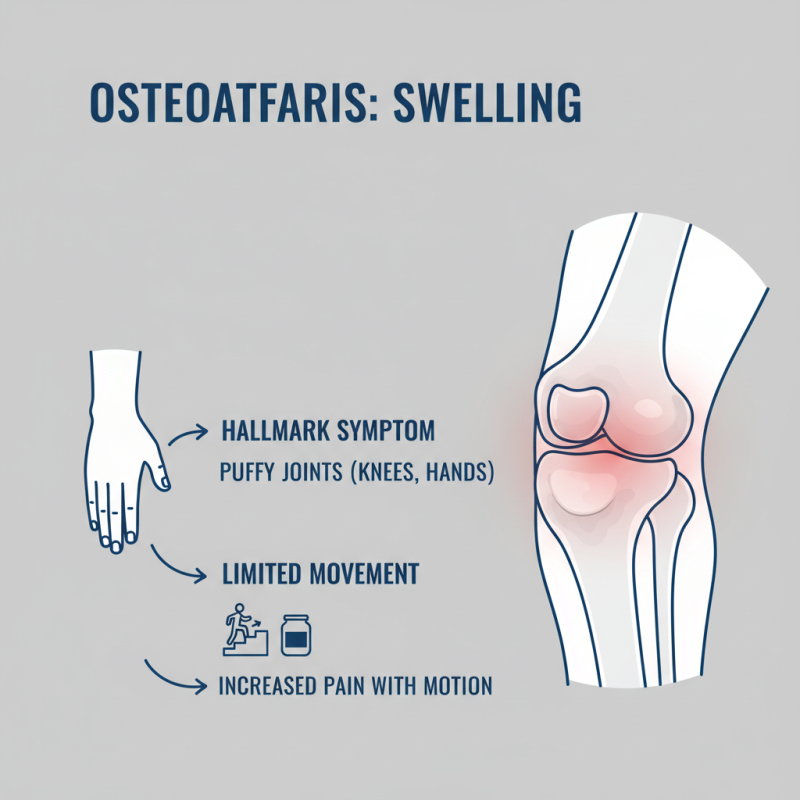
Swelling is a hallmark symptom of osteoarthrosis. It often occurs in joints affected by the condition. You might notice your knees or hands feeling puffy. This swelling can limit your ability to move freely. Everyday tasks, like climbing stairs or opening jars, may become challenging. As inflammation builds, pain can also increase. This pain often worsens with movement, turning simple activities into painful struggles.

Understanding how swelling affects mobility is crucial. Limited range of motion can be frustrating. You may feel like you're losing control over your body. Even walking short distances may seem daunting. Sometimes swelling can come and go, making it hard to track. It may be easy to dismiss occasional discomfort. However, repeated episodes shouldn't be ignored. Chronic swelling signals an underlying issue. It invites consequences that could worsen over time.

Many people experience stiffness along with swelling. After sitting for long periods, initiating movement can be painful. The initial steps may feel like a battle against your own body. Acknowledging these signs is the first step to improvement. Seeking medical advice can clarify your situation. Don’t let swelling dictate your life. Recognizing the issue is essential, even if facing reality feels daunting.

Recognizing the Impact of Fatigue in Osteo Arthrosis Patients

Fatigue is a significant yet often overlooked symptom in osteo arthrosis patients. A recent study suggests that nearly 50% of these patients report extreme fatigue. This condition impacts not only physical health but also emotional well-being. Individuals often feel drained and lack motivation to engage in daily activities. Being aware of this can help both patients and caregivers.

The effects of fatigue in osteo arthrosis extend beyond tiredness. Patients frequently struggle with concentration and memory. Research indicates that approximately 40% of patients experience cognitive challenges related to fatigue. It is essential for healthcare providers to recognize this symptom. Addressing fatigue can improve overall quality of life for those affected. Simple lifestyle adjustments can make a difference. Regular low-impact exercises may help in managing fatigue levels.

Mental health is also an important consideration. Many patients experience feelings of isolation due to their condition. Recognizing the interplay between physical symptoms and emotional health is crucial. Support systems can play a vital role in helping patients cope. Understanding fatigue in osteo arthrosis requires a holistic approach.

DISCOVER THE POTENTIAL OF INNOVATIVE PROSTHETICS

From minor to severe injuries, our team develops advanced devices designed to support recovery and promote overall wellness.

Contact Us