Top 10 Reasons for Knee Replacement in Osteoarthritis Patients?

Osteoarthritis is a common condition affecting millions. It can lead to severe joint pain and reduced mobility. For many patients, the knees suffer the most. This often results in the need for knee replacement surgery.

Knee replacement and osteoarthritis are related. As osteoarthritis progresses, joint damage increases. Patients frequently experience debilitating pain that hinders daily activities. Simple tasks become challenging, creating frustration and discomfort. Many people may avoid surgery, considering it a last resort.

However, recognizing when it’s time for knee replacement is crucial. This decision can significantly improve quality of life. Staying active and pain-free is a priority for most patients. Understanding the reasons for knee replacement offers valuable insights. It helps patients navigate their options while facing this difficult condition.
Top 10 Reasons for Knee Replacement in Osteoarthritis Patients?

Understanding Osteoarthritis and Its Impact on Knee Function

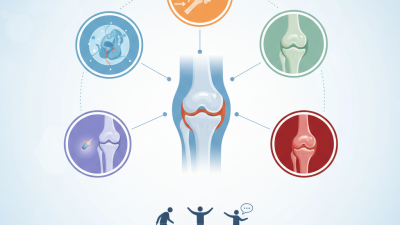
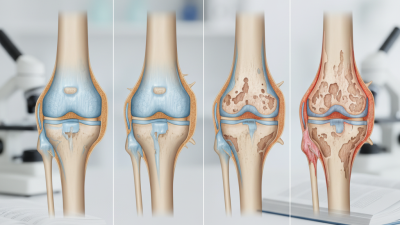
Osteoarthritis heavily impacts knee function. This degenerative joint disease can cause pain, stiffness, and swelling. Over time, these symptoms can limit mobility. Daily tasks become daunting when knee joints are compromised. Many people may ignore early signs, thinking discomfort will fade. This is a common mistake.

Living with osteoarthritis requires proactive management strategies. Regular exercise can strengthen surrounding muscles. Aim for low-impact activities like swimming or cycling. Staying active is essential. However, listen to your body. If pain intensifies, adjust your routine accordingly.

Nutrition also plays a role. A balanced diet rich in omega-3 fatty acids may help reduce inflammation. Consider incorporating more fish, flaxseeds, and walnuts. Staying hydrated is crucial too. Sometimes, small changes make a significant impact. Remember, each individual's journey with osteoarthritis is unique. Reflect on symptoms and adapt your lifestyle as needed.
Top 10 Reasons for Knee Replacement in Osteoarthritis Patients

This chart displays the top 10 reasons why patients with osteoarthritis may consider knee replacement surgery. The reasons are measured in percentage terms, reflecting the prevalence of each issue among patients seeking surgical intervention. Severe pain and loss of mobility are the most common reasons driving the decision to undergo knee replacement.

Common Symptoms of Osteoarthritis Leading to Knee Replacement

Top 10 Reasons for Knee Replacement in Osteoarthritis Patients?

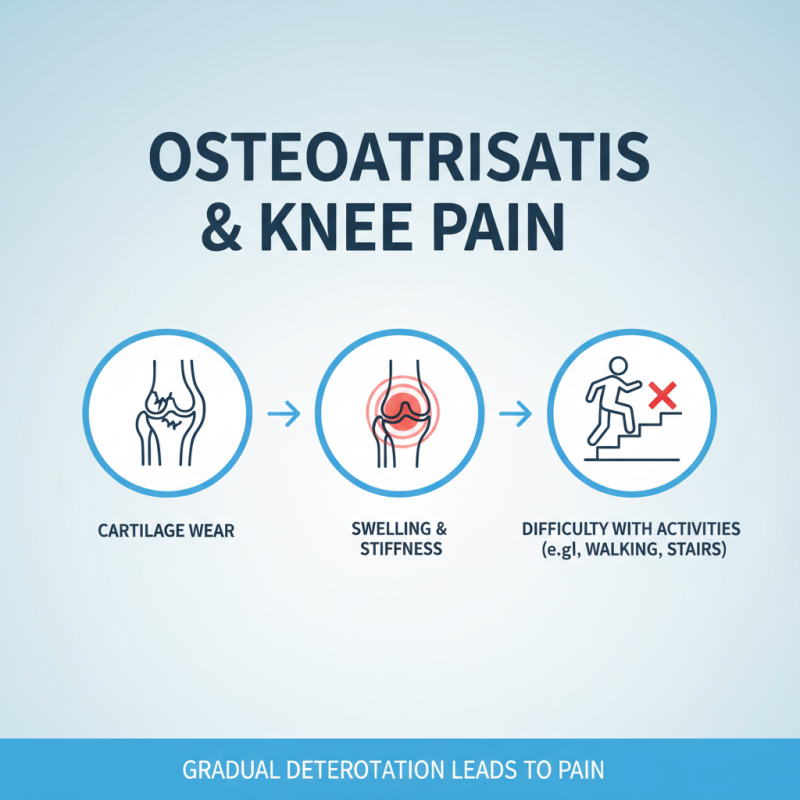
Osteoarthritis often leads to debilitating knee pain. This condition gradually wears down cartilage. Over time, this wear can cause swelling and stiffness. Patients frequently experience difficulty with normal activities. Simple tasks, such as climbing stairs and walking, become painful.

Common symptoms include a grinding sensation in the knee. Patients may hear creaking or popping sounds when moving. Swelling may occur after prolonged activity, further limiting movement. Morning stiffness is common, lasting up to thirty minutes. Many find that pain intensifies after physical activity.

As symptoms worsen, the quality of life declines. Patients start to feel frustrated and helpless. Weight gain may occur due to reduced activity levels. Seeking treatment becomes crucial when daily tasks are affected. Understanding these symptoms can lead to timely interventions.

Criteria for Knee Replacement Surgery in Osteoarthritis Patients

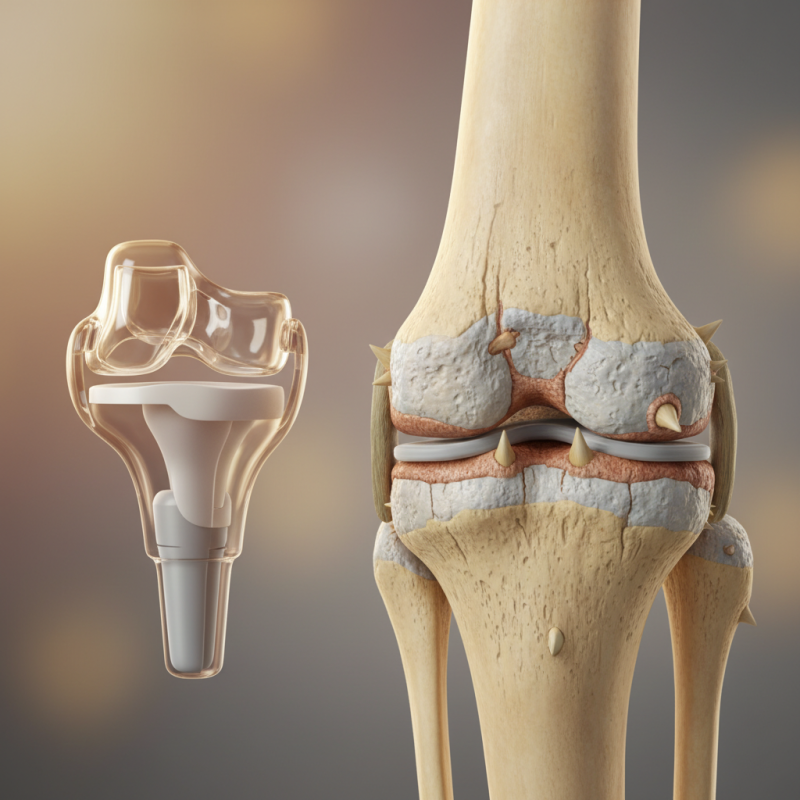
Knee replacement surgery is a significant procedure for patients suffering from osteoarthritis. Understanding the criteria for this surgery helps patients make informed decisions. Typically, candidates experience severe knee pain and decreased mobility. The pain often limits daily activities and affects quality of life.

A study published in the "Journal of Bone and Joint Surgery" shows that about 60% of patients report significant pain relief after surgery. However, it's essential to understand that not everyone is an ideal candidate. Patients who are overweight may face higher risks. Weight management can improve outcomes and eligibility for surgery.

Tips: Regular low-impact exercise may help reduce knee stress. Consult a physical therapist for personalized routines. Before considering surgery, explore all options. Some treatments, like injections or physical therapy, might provide relief without surgery. Be aware that surgery has risks, including infection and blood clots, which require thorough discussions with healthcare providers.

Benefits of Knee Replacement Surgery for Osteoarthritis Sufferers

Knee replacement surgery offers significant benefits for those suffering from osteoarthritis. Many patients experience severe pain and reduced mobility. A successful procedure can restore function and alleviate discomfort. Pain relief is often immediate post-surgery. Patients frequently report improved quality of life, enabling them to engage in daily activities again.

Another valuable aspect of knee replacement is the potential for physical activity. After recovery, individuals can resume walking, swimming, or cycling. This rejuvenation can lead to better overall health and mood improvement. Until then, they may face limitations, potentially leading to weight gain or other health issues.

It is essential to consider that surgery is not always perfect. Some might experience complications or prolonged recovery times. Patients should weigh the benefits against the potential risks and challenges. Open discussions with healthcare providers are crucial in this process. Every individual has a unique case, and what works for one might not work for another. This complexity demands thoughtful reflection on personal health and lifestyle choices.

Post-Operative Care and Rehabilitation after Knee Replacement

Post-operative care is crucial for successful recovery after knee replacement surgery. Patients should prioritize proper wound care to avoid infections. Keeping the area clean and dry is essential. Regularly checking for any unusual signs can help identify issues early. Pain management is also vital. Discussing pain relief options with your healthcare provider can ensure comfort during recovery.

Rehabilitation plays a key role in regaining mobility. Physical therapy is often recommended. Exercises focus on strengthening the muscles around the knee. Simple activities like walking can be beneficial. It may feel challenging at first, but persistence is important. Some patients struggle with adhering to their exercise routine. They need motivation and encouragement.

Nutrition should not be overlooked. A balanced diet aids in healing. Hydration helps maintain joint function as well. Many patients underestimate this connection. Mental health is another aspect of post-operative care. Facing physical limitations can be discouraging. Seeking support from friends, family, or professionals can make a difference. Engaging in hobbies can boost spirits as well.

DISCOVER THE POTENTIAL OF INNOVATIVE PROSTHETICS

From minor to severe injuries, our team develops advanced devices designed to support recovery and promote overall wellness.

Contact Us