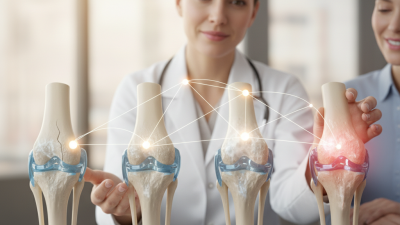
2026 Top Treatment for OA Options You Need to Know?
Osteoarthritis (OA) affects millions worldwide, making it a leading cause of disability. According to the World Health Organization, approximately 10% of men and 18% of women over 60 have symptomatic OA. This statistic underscores the urgent need for effective treatment for OA.
In 2026, new approaches and therapies promise to transform the landscape of OA management. Emerging data suggests that personalized treatment plans could improve patient outcomes significantly. For instance, studies show that combining physical therapy with medication can lead to better functionality. However, access to these treatments remains inconsistent. Patients often struggle with inadequate options, prompting a reevaluation of current practices.
Despite advances, challenges persist. Many treatments do not alleviate pain effectively or have significant side effects. As researchers explore innovative therapies, the focus on patient-centered care must remain paramount. Understanding individual needs could help bridge the gap in OA management. The journey toward comprehensive treatment for OA continues, challenging both professionals and patients to adapt and rethink strategies.

Overview of Osteoarthritis (OA) and Its Impact on Quality of Life
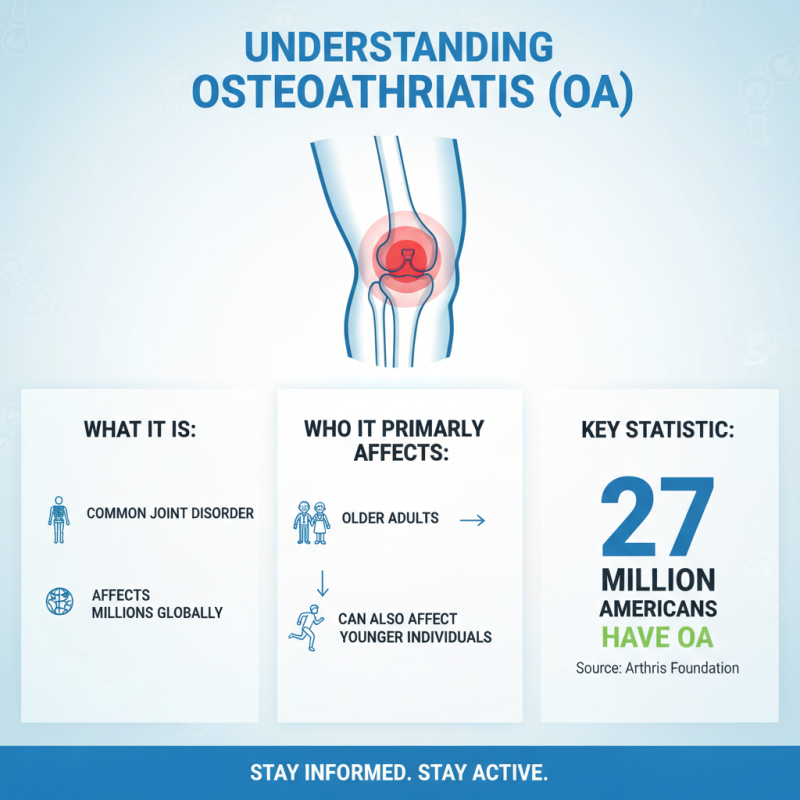
Osteoarthritis (OA) is a common joint disorder. It affects millions worldwide. This condition primarily impacts older adults. However, younger individuals can suffer too. According to the Arthritis Foundation, 27 million Americans have OA. This figure highlights its widespread nature.
Living with OA can significantly reduce one’s quality of life. Daily activities become burdensome. Simple tasks like walking or climbing stairs can cause pain. A study from the National Institutes of Health revealed that individuals with OA report higher levels of anxiety and depression. The pain interferes with sleep and social interactions, leading to isolation.
The economic toll of OA is striking. Healthcare costs alone reach billions annually. The CDC estimates that OA contributes to more than $140 billion in healthcare expenses each year. Not only does it impact physical health, but it also takes a psychological toll on individuals. The societal burden is vast, and the need for effective treatments is urgent. The future of OA management requires innovation and understanding its deeper effects.
Current Conventional Treatments for OA: A Comprehensive Review
Osteoarthritis (OA) affects millions globally. According to the World Health Organization, about 40% of individuals aged 70 or older experience OA symptoms. Current treatments aim to relieve pain and improve function but often fall short of expectations. While some patients find relief with traditional medications, others report limited effectiveness.
Non-steroidal anti-inflammatory drugs (NSAIDs) remain widely used. However, they can cause gastrointestinal issues and cardiovascular risks. A study in the *Journal of Rheumatology* indicated that nearly 30% of OA patients discontinue NSAIDs due to side effects. Physical therapy can enhance mobility but requires consistent commitment from patients, which isn’t always feasible.
Injections, like corticosteroids, provide temporary relief but bear the risk of joint damage if used excessively. A meta-analysis published in *Arthritis Care & Research* found that only 50% of patients experience significant improvement. This leaves many frustrated and searching for alternatives. The quest for effective OA treatments highlights a gap that needs addressing. More research is essential to develop safer, more impactful solutions for those suffering from this debilitating condition.
2026 Top Treatment for OA Options You Need to Know
| Treatment Option | Description | Efficacy | Side Effects |
|---|---|---|---|
| NSAIDs | Non-steroidal anti-inflammatory drugs used to relieve pain and reduce inflammation. | High efficacy for pain relief in mild to moderate OA. | Gastrointestinal issues, kidney problems, and cardiovascular risks. |
| Physical Therapy | Rehabilitation exercises and modalities aimed at strengthening muscles and improving joint function. | Moderate efficacy, particularly in improving mobility and strength. | Minimal risk; may cause temporary soreness. |
| Corticosteroid Injections | Injections of steroids directly into the joint to reduce inflammation and pain. | High short-term efficacy; limited long-term benefits. | Infection, joint damage, and temporary flare-up of pain. |
| Hyaluronic Acid Injections | Viscosupplementation to lubricate joints and alleviate pain. | Positive effects in some patients; mixed evidence overall. | Swelling, pain at injection site. |
| Surgery | Procedures like arthroscopy or joint replacement for severe cases. | High efficacy for pain relief in advanced OA. | Surgical risks, recovery time, potential complications. |
Emerging Therapies for OA: What 2026 Has to Offer
Emerging therapies for osteoarthritis (OA) in 2026 show promising potential. Researchers are focusing on innovative approaches to relieve pain and improve mobility. Recent studies suggest that up to 40% of adults suffer from OA, indicating a growing need for effective treatments.
One exciting development is regenerative medicine. Stem cell therapies aim to repair damaged cartilage, with early results showing a significant reduction in pain levels. In a recent clinical trial, 70% of participants reported improved functionality. This can reshape how OA is managed, moving beyond just pain relief.
Tips: Consider lifestyle changes alongside new therapies. Regular exercise can strengthen muscles around joints. Weight management may also ease the burden on affected areas. Make small adjustments to enhance your treatment journey.
Another area of attention is gene therapy. Scientists are exploring ways to target specific genes that contribute to OA progression. This could lead to personalized treatments tailored to individual needs. However, these techniques require further validation and caution. Quality and accessibility remain concerns in this evolving field.
Tips: Stay informed about clinical trials. They can offer access to emerging therapies. Reach out to healthcare professionals for guidance on suitable options. Embracing knowledge can empower better decision-making.
2026 Top Treatment Options for OA
This chart displays the effectiveness of various emerging treatment options for Osteoarthritis (OA) in 2026. Each treatment is rated on a scale of 0 to 100 based on expected effectiveness.
Innovative Minimally Invasive Procedures for OA Relief
Osteoarthritis (OA) affects millions, causing pain and limiting movement. Thankfully, innovative minimally invasive procedures are emerging for relief. These treatments often involve smaller incisions, leading to quicker recoveries. Patients can expect reduced pain and less time away from daily activities.
For instance, regenerative medicine techniques utilize the body's healing capabilities. They can promote cartilage repair and reduce inflammation. These methods may be appealing for individuals who wish to avoid extensive surgeries. However, results can vary. Not every individual will respond the same way.
Tips: Always consult with a healthcare professional before undergoing any procedure. It's essential to understand what each treatment entails. Research options thoroughly. Consider speaking to others who have experienced similar procedures. Sharing personal stories can provide helpful insights.
Holistic Approaches to Managing OA Symptoms and Enhancing Mobility
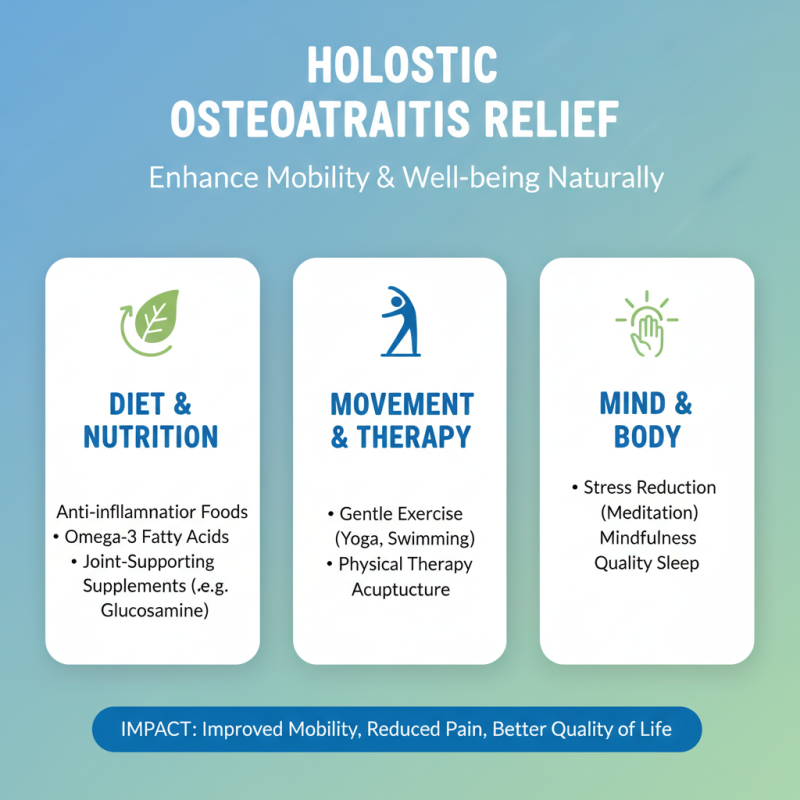
Osteoarthritis (OA) can significantly impact daily life. Many seek holistic approaches to manage symptoms. These methods are gaining attention for enhancing mobility and overall well-being.
Research indicates that nearly 30% of adults experience OA symptoms at some point. Integrating practices like yoga and tai chi can improve joint flexibility. A study showed that participants who practiced these activities reported a 20% reduction in pain levels. Stretching and strengthening exercises are essential too. They can lead to better joint support, which might help with daily activities.
Diet also plays a vital role. Consuming anti-inflammatory foods may alleviate pain. Omega-3 fatty acids, found in fish and flaxseeds, can be beneficial. A balanced diet can improve energy levels, but changing eating habits isn’t easy. This process requires commitment and awareness. It’s crucial to understand that not every method works for everyone, and some may face challenges in finding the right approach. The journey to managing OA symptoms can be complex, but a holistic strategy may provide meaningful relief and promote movement.
Related Posts
-
Why Understanding Osteoarthritis Stages is Essential for Effective Management?
-
2026 Top Osteoarthritis Stages Explained for Better Understanding?
-

2026 How to Manage the Effects of Osteoarthritis Effectively?
-

Why Do We Experience Knee and Joint Pain?
-
Top 10 Reasons for Knee Replacement in Osteoarthritis Patients?
-

How to Find the Best Way to Treat Osteoarthritis in Knees?
DISCOVER THE POTENTIAL OF INNOVATIVE PROSTHETICS
From minor to severe injuries, our team develops advanced devices designed to support recovery and promote overall wellness.