
Top 10 Foot Heel Massager Types Which Is Best?

Foot pain is common, but the best relief tool is rarely universal. The American Podiatric Medical Association’s national survey reported that 77% of Americans had experienced foot pain. That figure still feels surprisingly high. It also explains growing interest in home recovery devices, including the Foot Heel Massager.

This guide examines ten major types, from manual rollers and compression boots to heated shiatsu machines, vibration platforms, and air-pressure designs. Market research from Grand View Research identifies rising consumer demand for massage equipment, supported by wellness spending and convenient home treatment. However, sales growth does not prove that every device works equally well. That distinction matters. A heated unit may relax stiff muscles, while a compression model may feel better after long standing. A rigid roller can also feel too aggressive on a sensitive heel.

Dr. Miguel Cunha, a podiatrist and founder of Gotham Footcare, has described the feet as “the foundation of your body.” That practical observation should guide product selection. Pressure, heat, noise, portability, and cleaning requirements all affect real-world use. The cheapest option may become an unused device in a bedroom corner. Honestly, rankings can oversimplify personal comfort. People with diabetes, reduced sensation, circulation problems, open wounds, or persistent heel pain should seek professional advice before use. The National Center for Complementary and Integrative Health also notes that massage evidence varies by condition and treatment method. Therefore, this comparison focuses on design, user experience, available evidence, and safety rather than exaggerated promises. Which Foot Heel Massager is best? The answer depends on your feet, routine, and tolerance.
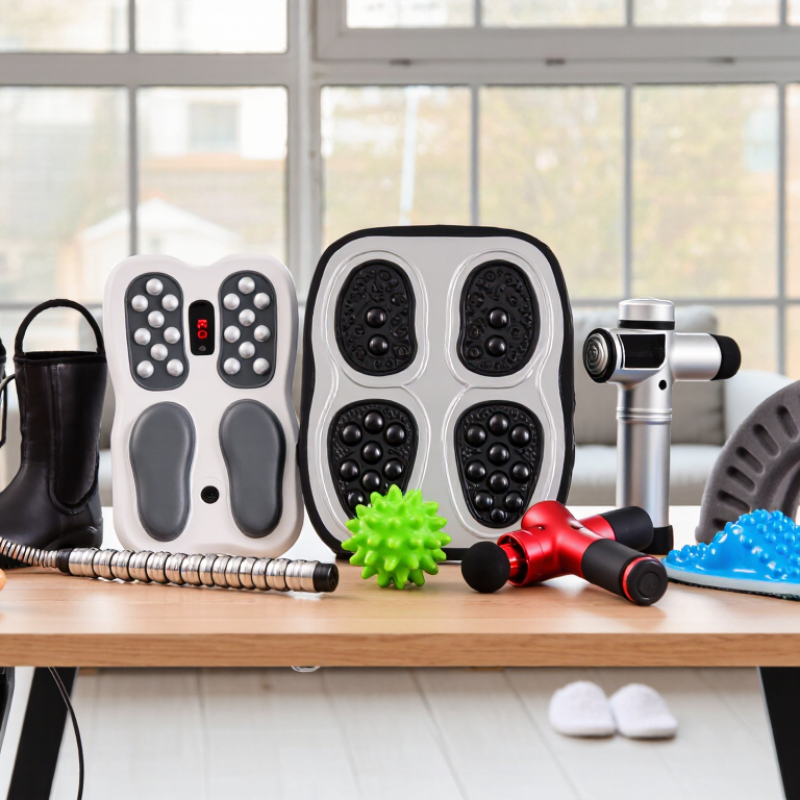
Top 10 Foot Heel Massager Types Which Is Best?

What Is a Foot Heel Massager and How Does It Work?

A foot heel massager is a device designed to stimulate the sole, heel, and sometimes the ankle. It may use rolling nodes, vibration, heat, kneading, or inflatable air chambers. These actions apply controlled pressure to soft tissue. They can temporarily improve comfort and relaxation after standing, walking, or exercising.

The American Podiatric Medical Association’s 2014 Today’s Podiatrist survey reported that 77% of adults had experienced foot pain. That figure explains the interest in home massage devices. A rolling massager targets the plantar fascia area with moving pressure. A compression model gently squeezes the foot and may support a lighter, less tired feeling. Heat can make the session more soothing, but it does not repair damaged tissue.

The best type depends on the cause of discomfort. For general fatigue, vibration or rolling may feel practical. For swelling, adjustable compression deserves caution and professional advice. People with diabetes, reduced sensation, circulation problems, or unexplained heel pain should seek clinical guidance first. Stop if pain becomes sharp, numbness appears, or the skin changes color. More pressure is not always better. Some devices feel impressive, yet their long-term clinical evidence remains limited. That is worth remembering.

Main Types of Foot and Heel Massagers Explained

Top 10 Foot Heel Massager Types Which Is Best?

Main Types of Foot and Heel Massagers Explained

Foot and heel massagers differ in pressure, coverage, and control. Manual rollers use ridges or balls, making them simple and affordable. Electric vibration models create gentle pulses across the sole. Shiatsu devices use rotating nodes and may feel stronger around the arch. Air-compression massagers squeeze the foot and ankle rhythmically. Heated models add warmth, but heat does not suit every user. Calf-and-foot machines cover more muscle, although they require extra space.

The best type depends on your symptoms, tolerance, and daily routine. The American Family Physician reports that plantar fasciitis affects about 10% of people during their lifetime. A 2014 American Podiatric Medical Association survey also found that 77% of Americans had experienced foot pain. These figures show the need for careful selection, not aggressive pressure. For heel stiffness after standing, a manual roller may provide controlled relief. For tired feet, compression can feel more soothing. A vibrating model may help relaxation, but evidence for treating chronic heel pain remains limited. That part deserves reflection.

Tips: Start with five minutes and low intensity. Keep the heel relaxed, not forced. Avoid direct pressure on swollen, numb, or injured areas. People with diabetes, poor circulation, or persistent pain should ask a qualified clinician first. Stop if sharp pain, tingling, or skin changes appear. A massager should support care, not replace diagnosis.

How the Top Ten Massager Types Differ in Features

Top 10 Foot Heel Massager Types Which Is Best?

The best choice depends on pressure, portability, and foot sensitivity. Manual rollers use ridges or wooden balls, giving simple, user-controlled pressure. Acupressure mats add many small contact points. Vibration platforms create rapid movement, while percussion tools target smaller heel areas. Shiatsu kneaders use rotating nodes and usually feel deeper. Air-compression models squeeze the foot and ankle with adjustable chambers. Heated wraps add warmth, but heat is not always helpful. Water-bath massagers combine soaking, bubbles, and mild vibration. Calf-and-foot units cover a larger area. Electrical stimulation devices use gentle pulses, although their comfort and evidence vary.

The American Podiatric Medical Association reports that 77% of Americans have experienced foot pain. This supports the need for careful feature matching, not aggressive pressure. Grand View Research’s foot massager market analysis identifies home-use products as a major growth segment. Still, market growth does not prove therapeutic value. A feature list can mislead. In practical comparisons, air compression feels rhythmic, while kneading feels more mechanical. Manual tools offer the clearest pressure feedback. Heated products may feel pleasant but can hide excessive intensity.

Tips: Start with five minutes and low pressure. Check the heel afterward for redness, numbness, or tenderness. People with diabetes, reduced sensation, circulation problems, or unexplained heel pain should ask a healthcare professional before using heat or strong compression. Avoid treating pain as proof that the device is working.

Top 10 Foot Heel Massager Types: Which Is Best?

Feature comparison of the ten most common foot and heel massager types. A score of 1 means the feature is a defining function of that category; 0 means it is not typically included. Individual products may vary.

How they differ: Manual rollers, massage balls and rocker boards rely on user-controlled pressure. Electric rollers, shiatsu devices and percussion massagers add mechanical movement or vibration. Air-compression devices squeeze the foot, heated wraps provide warmth, foot spas use warm water, and EMS pads use electrical stimulation rather than mechanical massage.

Which Foot Heel Massager Is Best for Each User?

Choosing among the top 10 foot heel massager types depends on each user’s routine, sensitivity, and heel discomfort. A manual roller suits desk workers who want pressure control and quick use. A massage ball reaches one tender heel spot. It is simple, not luxurious. An electric kneader suits tired feet after standing, while vibration may suit users who dislike deep pressure. Begin gently. Ten minutes is often enough.

For feet that feel swollen after a long day, air-compression models provide rhythmic squeezing around the foot and ankle. They should feel supportive, never numb or painfully tight. A heated massager suits users with cold feet or stiff muscles, but heat can hide excessive pressure. People with diabetes, reduced sensation, circulation problems, unexplained swelling, or open skin should ask a qualified clinician before using heat or compression. A foot spa suits someone who enjoys soaking, although it needs careful cleaning and stable placement.

Athletes may prefer a firm roller or textured ball for targeted recovery, while older users may value large controls and easy access. A shiatsu-style unit suits users wanting hands-free kneading, yet fixed pressure will not suit every heel. I once assumed stronger massage meant better relief; that was too simple. The best choice feels controlled, fits the heel, and can be used consistently. Check adjustable intensity, washable surfaces, timer limits, and return policies before buying.

Safety Factors and Buying Criteria to Consider

Top 10 Foot Heel Massager Types Which Is Best?

Safety Factors and Buying Criteria to Consider

The ten common types include manual rollers, massage balls, electric kneaders, shiatsu units, compression sleeves, vibration devices, heated massagers, water spas, stretching boards, and textured mats. Each creates a different sensation. A roller offers simple pressure, while compression may feel gentler around tired ankles. Heat can relax stiff muscles, but it should never feel hot or numb the skin.

Safety comes before intensity. Choose adjustable speed, pressure, and temperature controls. A stable base matters, especially on smooth bathroom floors. Check that removable covers can be cleaned easily. Avoid devices with exposed wiring, sharp edges, or confusing controls. People with diabetes, reduced sensation, circulation problems, open wounds, or unexplained heel pain should seek medical advice before use. The same applies during pregnancy or after foot surgery.

Start with five minutes.

Stop if pain, tingling, swelling, or unusual redness appears. A pleasant sensation is not proof of safe treatment. That is easy to forget. I would test a new device over a towel and inspect my skin afterward. Buying decisions should also consider foot size, noise, warranty terms, return policies, and replacement parts. A powerful motor is not automatically better. Some users prefer firm pressure, yet excessive force may irritate sensitive tissue. Reviews can help, but they may overlook long-term durability. Try to judge comfort after repeated sessions, not only during a dramatic first use.

Top 10 Foot Heel Massager Types: Which Is Best? Safety Factors and Buying Criteria to Consider

Rank Massager Type How It Works Best For Main Benefits Important Limitations Safety Factors Key Buying Criteria Overall Suitability
1 Manual Ball or Roller Uses body weight and rolling pressure to massage the sole and heel. Simple daily relief and targeted plantar-foot massage
  • No electricity or batteries
  • Low cost and easy to store
  • Pressure can be adjusted immediately
Requires active movement and may be uncomfortable if excessive pressure is applied. Use gentle pressure first. Stop if sharp pain, numbness, bruising, or increased swelling occurs. Choose a stable, non-slip base, rounded surfaces, washable materials, and a size suitable for the foot. ★★★★★
2 Heated Foot Massager Combines mechanical massage with controlled warmth around the feet and heel. General relaxation and temporary stiffness relief
  • Warmth may help muscles feel less tense
  • Convenient hands-free operation
  • Often includes selectable intensity levels
Heat may not directly address the underlying cause of heel pain and can feel too intense for some users. Use the lowest heat setting initially. Avoid use with reduced heat sensation, open wounds, acute inflammation, or suspected infection. Look for adjustable heat, automatic shutoff, insulated heating elements, easy-clean liners, and clear temperature controls. ★★★★★
3 Air-Compression Foot Massager Inflatable chambers rhythmically compress the foot and sometimes the ankle. A feeling of tiredness, mild temporary swelling, and relaxation
  • Provides rhythmic rather than constant pressure
  • Can cover the foot more evenly than a small roller
  • Usually offers adjustable compression levels
May not provide precise pressure directly on the heel and may feel restrictive. Do not use without medical advice if there is suspected deep-vein thrombosis, significant circulation disease, unexplained swelling, or recent vascular surgery. Check pressure adjustment, chamber coverage, emergency release, washable liners, correct foot size, and automatic shutoff. ★★★★☆
4 Shiatsu-Style Kneading Massager Rotating nodes knead the sole and may apply pressure to the heel and arch. Users who prefer firm, deep-feeling mechanical massage
  • Strong kneading action with little user effort
  • May cover several areas of the sole
  • Often includes multiple speed settings
Fixed rotating nodes may not match every foot shape and can be too intense for sensitive heels. Begin with short sessions and low intensity. Avoid pressing through sharp pain or using it over wounds, bruises, or irritated skin. Prioritize adjustable intensity, reverse rotation, a removable washable cover, stable construction, and a session timer. ★★★★☆
5 Vibration Foot Massager Transfers rapid, low-amplitude vibrations through a platform or foot pad. Light relaxation and users who dislike deep kneading
  • Usually lightweight and easy to operate
  • Intensity can often be changed quickly
  • Less mechanically aggressive than deep kneading
May provide limited targeted pressure and may not feel effective for firm tissue work. Stop if vibration causes pain, tingling, dizziness, or worsening symptoms. Use caution with implanted medical devices and follow medical advice. Check vibration intensity range, anti-slip feet, low operating noise, stable platform design, and automatic shutoff. ★★★☆☆
6 Water-Based Foot Spa Warm water supports the feet while bubbles, jets, or vibration provide gentle stimulation. Relaxation, warmth, and general foot care
  • Warm water can feel soothing
  • Suitable for gentle, non-invasive relaxation
  • May include soaking and vibration functions
Bulky, requires cleaning and drying, and usually offers limited direct heel pressure. Never use with open sores or active skin infection. Dry feet thoroughly, keep electrical connections away from water, and follow the water-temperature instructions. Choose splash protection, easy drainage, smooth hygienic surfaces, stable feet, water-temperature guidance, and a reliable power cord. ★★★☆☆
7 Stretching Wedge or Foot Rocker Positions the foot to gently stretch the calf and plantar-foot tissues. Stretching routines and mobility support rather than massage
  • Requires no power
  • Can support a consistent calf and foot stretch
  • Simple to clean and maintain
It is a stretching tool, not a kneading massager, and may aggravate symptoms if used forcefully. Use gradual weight and maintain balance. Avoid bouncing, sudden loading, or use when acute injury or severe pain is present. Look for a wide non-slip base, moderate slope, textured surface, sufficient load capacity, and clear positioning instructions. ★★★☆☆
8 Manual Pressure Mat Small raised points apply distributed pressure when the foot rests or moves over the surface. Mild stimulation and brief standing or rolling sessions
  • Portable and does not require electricity
  • Can stimulate a broad area of the sole
  • Easy to use in short sessions
Pressure is not highly precise and may be uncomfortable for sensitive skin or irritated heels. Do not use on broken skin, blisters, ulcers, or areas with reduced protective sensation. Stop if skin becomes painful or damaged. Check point height, material flexibility, non-slip backing, cleaning instructions, and whether the surface is comfortable with socks or bare feet. ★★★☆☆
9 Handheld Percussion Massager with Foot Attachment A motorized attachment delivers rapid tapping or percussion to selected areas. Targeted soft-tissue work around the calf and foot, when used carefully
  • Highly targeted application
  • Often has multiple speed settings
  • Can be used on areas beyond the feet
Easy to apply excessive force; direct treatment of the heel bone or painful tissue may be unsuitable. Avoid direct percussion over bones, joints, nerves, varicose veins, wounds, and acutely painful areas. Do not use with bleeding disorders or blood-thinning medication without medical advice. Select a low-speed mode, soft attachment, manageable weight, secure grip, battery protection, and clear instructions for safe body areas. ★★☆☆☆
10 Manual Heel-Cup or Arch-Pressure Tool A shaped device applies localized pressure under the heel or along the arch. Short, controlled pressure sessions for experienced users
  • Compact and inexpensive
  • Allows precise placement
  • Does not require charging or electrical power
Localized pressure can be excessive and may irritate an already painful heel. Use only tolerable pressure and avoid prolonged loading. Do not use over bruising, numbness, skin lesions, or an undiagnosed acute heel injury. Choose smooth rounded edges, a stable handle, durable non-toxic material, an appropriate contour, and easy cleaning. ★★☆☆☆
General safety note: A foot massager may provide temporary comfort but does not diagnose or treat the cause of heel pain. Stop use and seek professional medical advice for severe or persistent pain, inability to bear weight, marked swelling, redness, warmth, numbness, an open wound, or symptoms following an injury. People with diabetes, reduced sensation, circulation problems, neuropathy, blood-clotting conditions, or recent foot surgery should consult a qualified healthcare professional before using a massager.

DISCOVER THE POTENTIAL OF INNOVATIVE PROSTHETICS

From minor to severe injuries, our team develops advanced devices designed to support recovery and promote overall wellness.

Contact Us