
How to Prevent Osteoarthritis Naturally and Effectively?

Osteoarthritis is a common condition affecting millions globally. Reports estimate that by 2040, over 78 million adults in the U.S. will have doctor-diagnosed arthritis. This makes it essential to address how to prevent osteoarthritis effectively. Experts emphasize the importance of proactive measures. Dr. Emily Lawson, a leading rheumatologist, states, "Preventing osteoarthritis involves lifestyle changes that can significantly impact joint health."

Natural prevention strategies include maintaining a healthy weight, staying physically active, and incorporating anti-inflammatory foods into your diet. Research indicates that physical activity can lower the risk of developing osteoarthritis by up to 50%. However, many individuals struggle with motivation and often overlook the connection between daily habits and joint health. It is crucial to foster an environment that encourages movement and healthy eating.

Moreover, the importance of early intervention cannot be overstated. Many people wait until discomfort arises before considering prevention strategies. This reactive approach can be detrimental. Implementing preventive measures now can lead to long-term benefits. Exploring effective ways to prevent osteoarthritis can enhance quality of life and minimize future health issues.

How to Prevent Osteoarthritis Naturally and Effectively?

Understanding Osteoarthritis: Causes and Risk Factors

Osteoarthritis is a common joint disorder. It occurs when the cartilage that cushions the joints wears down. This can lead to pain and stiffness. Understanding its causes is crucial for prevention. Age plays a significant role. As we get older, our joints undergo natural wear and tear. Obesity increases stress on weight-bearing joints, such as the knees. Genetics also contribute. If family members have osteoarthritis, you may be at risk too.

Injuries can trigger osteoarthritis, particularly those that involve joint damage. Repetitive stress from certain jobs may lead to early onset. Poor posture affects joints over time, leading to misalignment. The lack of physical activity can weaken muscles supporting the joints. We often fail to realize how vital movement is. Even short walks can strengthen these muscles. Nutrition impacts joint health as well; consuming anti-inflammatory foods can help.

It’s not enough to just avoid risk factors. Reflecting on lifestyle choices is essential. Many ignore the signs of discomfort until it’s too late. Small daily habits, like stretching, can make a difference. Regular check-ins with your body can prevent future complications. Being proactive about joint health is a personal responsibility we should all embrace.
Dietary Choices for Joint Health: Foods to Include and Avoid

Diet plays a crucial role in joint health, significantly affecting conditions like osteoarthritis. Recent studies show that certain foods can reduce inflammation. For instance, a report from the Arthritis Foundation reveals that omega-3 fatty acids found in fish help decrease joint pain. Including fatty fish like salmon and mackerel in your diet can be beneficial. These foods are rich in nutrients that support joint function.

On the contrary, some foods can worsen the symptoms of osteoarthritis. Sugary beverages and highly processed snacks often lead to inflammation. Research indicates that refined carbohydrates can exacerbate joint issues. This is problematic since many people enjoy such snacks. It's essential to be mindful of dietary choices and make small, intentional adjustments.

Moreover, consider incorporating fruits and vegetables. Leafy greens, berries, and nuts have anti-inflammatory properties. They provide essential vitamins and minerals, which are crucial for maintaining healthy joints. However, it's understandable if integrating more of these foods feels challenging. Striking a balance between enjoyment and health is an ongoing journey.

Preventing Osteoarthritis Naturally: Dietary Choices for Joint Health

Exercise and Physical Activity: Effective Regimens for Osteoarthritis

Osteoarthritis can be challenging. One effective way to manage it is through regular exercise and physical activity. Low-impact activities, like walking or swimming, provide numerous benefits. They help strengthen muscles around the joints. This, in turn, can alleviate pain and improve mobility. However, consistency is key. Many people start strong but falter over time.

Incorporating flexibility exercises is also crucial. Simple stretches can enhance joint function. They reduce stiffness and help maintain range of motion. Additionally, consider strength training. Light weights or resistance bands can be very effective, but they require proper technique to avoid injury. It’s important to listen to your body and adjust routines accordingly. Sometimes, rest days are just as vital.

Finding an enjoyable activity can make a huge difference. Whether it's dancing, cycling, or yoga, engaging in something you love will keep you motivated. However, it's easy to get bored or overwhelmed. Setting realistic goals can help keep progress on track. A supportive community can also enhance your experience. Yet, remember to check in with a healthcare professional. They can guide you in developing a routine that works for you.

How to Prevent Osteoarthritis Naturally and Effectively? - Exercise and Physical Activity: Effective Regimens for Osteoarthritis

Activity Type Frequency Duration (minutes) Benefits
Walking Daily 30 Improves joint mobility
Swimming 3 times a week 45 Low-impact, strengthens muscles
Yoga Weekly 60 Enhances flexibility, reduces stress
Strength Training 2 times a week 30 Improves muscle support for joints
Cycling 3 times a week 30 Improves cardiovascular health

Natural Supplements and Remedies: What Works for Joint Pain Relief

How to Prevent Osteoarthritis Naturally and Effectively?

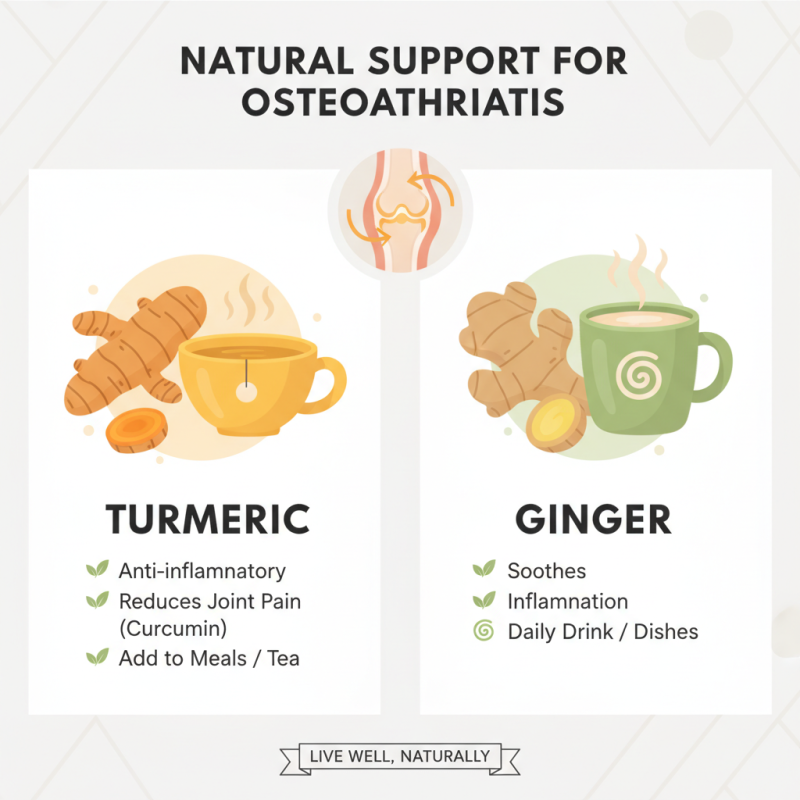
Osteoarthritis can be quite limiting, but there are natural supplements that can help. Turmeric is a popular choice due to its anti-inflammatory properties. Its active ingredient, curcumin, may reduce joint pain. You can add turmeric to your meals or enjoy it as a tea. Ginger also soothes inflammation. Many find it helpful as a daily drink or in dishes.

Omega-3 fatty acids are another effective remedy. They are found in fish oil and flaxseeds. These help reduce stiffness and improve mobility. Regular consumption of these can lead to noticeable relief. However, dietary changes can be challenging. Not everyone enjoys seafood, and plant-based options might not be appealing.

Lastly, vitamin D is crucial for joint health. A deficiency could worsen arthritis symptoms. Spending time in sunlight may boost your levels. Supplements can also fill the gap, but not everyone likes pills. Instead, consider foods rich in vitamin D, such as mushrooms and fortified products. Finding the right mix can take time; it's important to listen to your body and adapt as needed.

Lifestyle Modifications: Daily Habits to Reduce Osteoarthritis Symptoms

Osteoarthritis can be challenging, but lifestyle modifications can help reduce its symptoms. Small daily habits may lead to significant improvements. Regular physical activity, like walking or swimming, helps strengthen muscles and maintain joint flexibility. Find an activity you enjoy, and make it a routine.

Tips: Stay hydrated. Water helps keep your joints lubricated. Aim for at least eight glasses a day. Balance rest and activity. Too much of either can aggravate symptoms.

Diet plays a vital role. Incorporate more anti-inflammatory foods, like berries and leafy greens. Omega-3 fatty acids found in fish also help. Reducing sugar and saturated fats could relieve inflammation too. Be mindful of portion sizes. Overeating can lead to weight gain, which burdens joints.

Tips: Practice mindfulness. Stress can elevate pain perception. Simple breathing exercises or meditation can provide relief daily. Don't hesitate to reach out for support. Sharing experiences can lighten the load.

DISCOVER THE POTENTIAL OF INNOVATIVE PROSTHETICS

From minor to severe injuries, our team develops advanced devices designed to support recovery and promote overall wellness.

Contact Us