2026 How to Prepare for Osteoarthritis Knee Surgery Recovery?

Undergoing osteoarthritis knee surgery can be a significant turning point in one's life. It offers hope for pain relief and improved mobility. However, the recovery process is essential to ensure successful outcomes. Preparation is key to navigating the challenges ahead.

Setting realistic expectations is vital. Recovery won't happen overnight. Some days will feel difficult and progress may be slow. Understanding this can lessen frustration. Focus on small victories, like bending the knee a bit more each day.

It’s crucial to gather support before surgery. Family and friends can provide essential help. This can be in the form of assistance with daily tasks or emotional support. Creating a comfortable recovery space at home also aids in healing. Being proactive in these areas can set the stage for a smoother recovery post-osteoarthritis knee surgery.

2026 How to Prepare for Osteoarthritis Knee Surgery Recovery?

Understanding Osteoarthritis and Its Impact on Knee Function

Osteoarthritis significantly affects knee function. It causes pain and stiffness, limiting mobility and daily activities. Many people struggle to perform simple tasks like climbing stairs or walking long distances. This deterioration can lead to frustration and a feeling of helplessness.

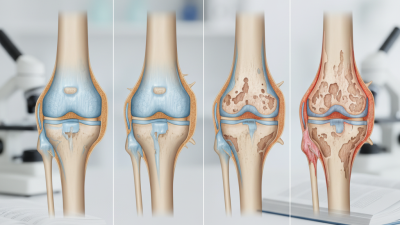
Understanding osteoarthritis is crucial for those facing knee surgery. It's vital to know how the condition develops. As cartilage wears away, bones rub together. This process contributes to inflammation and further pain. Recognizing these symptoms early can help individuals seek treatment sooner.

Preparation for recovery involves both physical and mental aspects. Engaging in prehabilitation exercises can improve outcomes. Additionally, being mentally ready for the changes that follow surgery is essential. Facing adjustments in lifestyle and navigating rehab can be daunting. Embrace the journey, but also acknowledge the challenges along the way.
Impact of Osteoarthritis on Knee Function

This bar chart illustrates the impact of osteoarthritis on various aspects of knee function, including pain level, mobility, stiffness, swelling, and overall function as rated on a scale from 1 to 10. It highlights how significantly osteoarthritis can affect daily activities and quality of life for individuals suffering from this condition.

Preoperative Preparations for Osteoarthritis Knee Surgery

Preparing for osteoarthritis knee surgery requires careful planning. Preoperative preparations play a crucial role in recovery. Studies show that effective preparation can reduce recovery time by 25%. This means taking steps early can lead to a smoother healing process.

Before surgery, patients should focus on physical therapy. Engaging in targeted exercises enhances muscle strength. Increased strength helps support the knee during post-operative recovery. Research indicates that patients who participate in pre-surgery rehabilitation often experience less pain afterward. A study highlights that these patients report improved mobility and function.

Nutrition is another vital aspect. Eating a balanced diet rich in proteins and vitamins supports healing. Omega-3 fatty acids may boost the body’s anti-inflammatory response, which is beneficial post-surgery. However, not everyone pays attention to their diet. Reflecting on your habits before surgery is essential. Lack of preparation may hinder your recovery journey. Taking charge now can create a lasting impact on your healing process.

Postoperative Care: Immediate Steps to Aid Recovery

2026 How to Prepare for Osteoarthritis Knee Surgery Recovery?

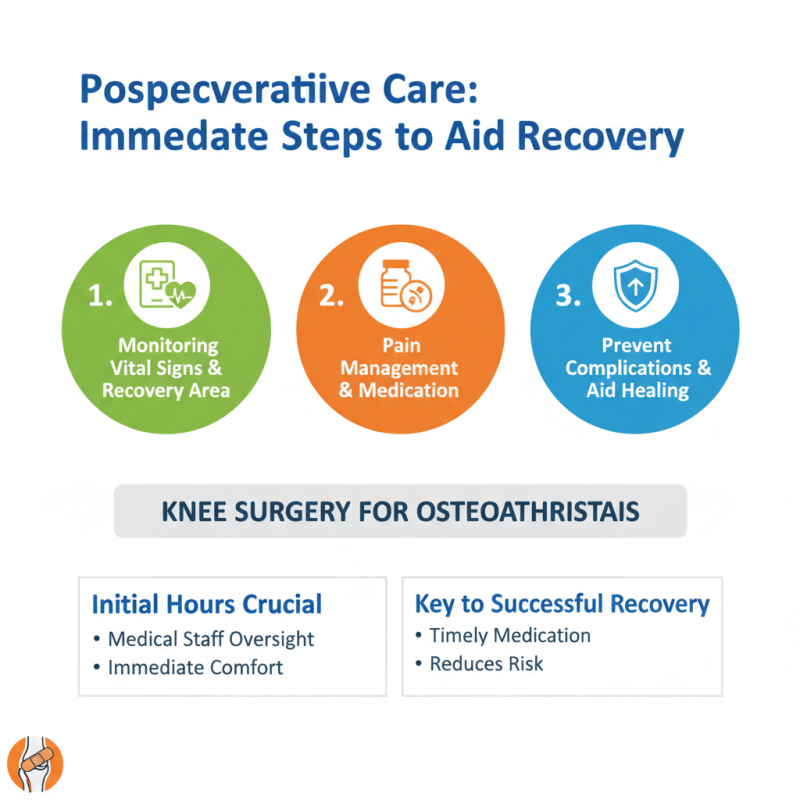
Postoperative care is critical for a successful recovery after knee surgery for osteoarthritis. The initial hours post-surgery are crucial. Staying in the recovery area allows medical staff to monitor vital signs. Pain management is often a priority. Patients typically receive medication to control pain. Inadequate pain relief can lead to complications.

When you return home, follow these basic tips. Keep your leg elevated to reduce swelling. Ice the knee regularly, but avoid direct ice contact. Gradually increase mobility, starting with small movements. Many studies emphasize that early mobility can enhance recovery outcomes. Research shows patients who engage in gentle movement during the first few days heal faster.

Nutrition plays a significant role too. Focus on protein-rich foods to aid tissue repair. Hydration is essential as well, yet often overlooked. Some people neglect drinking enough water, leading to delayed healing. Monitoring dietary choices can make a substantial difference. Remember, recovery might not be linear. Some days will feel better than others. Embrace small victories in your healing journey.

Long-Term Rehabilitation Strategies for Knee Surgery Patients

Preparing for recovery after knee surgery for osteoarthritis can feel overwhelming. Focus on creating a structured rehabilitation plan. Collaborate with healthcare professionals to design a program tailored to your needs. Physical therapy is crucial. Regular exercises can help restore strength and flexibility. Start with simple movements to avoid strain. Even short sessions can lead to progress.

Diet plays a significant role in recovery. Focus on nutrient-rich foods that promote healing. Incorporate plenty of fruits, vegetables, and lean proteins into your meals. Hydration is equally important. Drinking enough water can reduce fatigue and support overall health. Avoid processed foods; they can hinder recovery.

Mental well-being is often overlooked. Pain and restrictions can lead to frustration. Practicing mindfulness techniques may help you cope. Journaling your feelings or connecting with support groups could provide relief. Accept that recovery isn’t linear. Celebrate small victories, but acknowledge setbacks without discouragement. Reflect on your journey, and remain committed to your healing process.

2026 How to Prepare for Osteoarthritis Knee Surgery Recovery? - Long-Term Rehabilitation Strategies for Knee Surgery Patients

Strategy Description Duration (Weeks) Frequency Expected Outcome
Physical Therapy Focus on strengthening muscles around the knee 6-12 3 times per week Improved mobility and strength
Nutritional Support Balanced diet rich in anti-inflammatory foods Ongoing Daily Enhanced recovery and less pain
Pain Management Use of medications and heat/cold therapy 4-8 As needed Manage pain levels effectively
Gradual Activity Return Slowly reintroducing daily activities and exercise 8-16 Daily Restoration of functional independence
Mental Health Support Access to counseling and stress relief techniques Ongoing Weekly Improved mental wellbeing and resilience

Lifestyle Adjustments for Managing Osteoarthritis After Surgery

2026 How to Prepare for Osteoarthritis Knee Surgery Recovery?

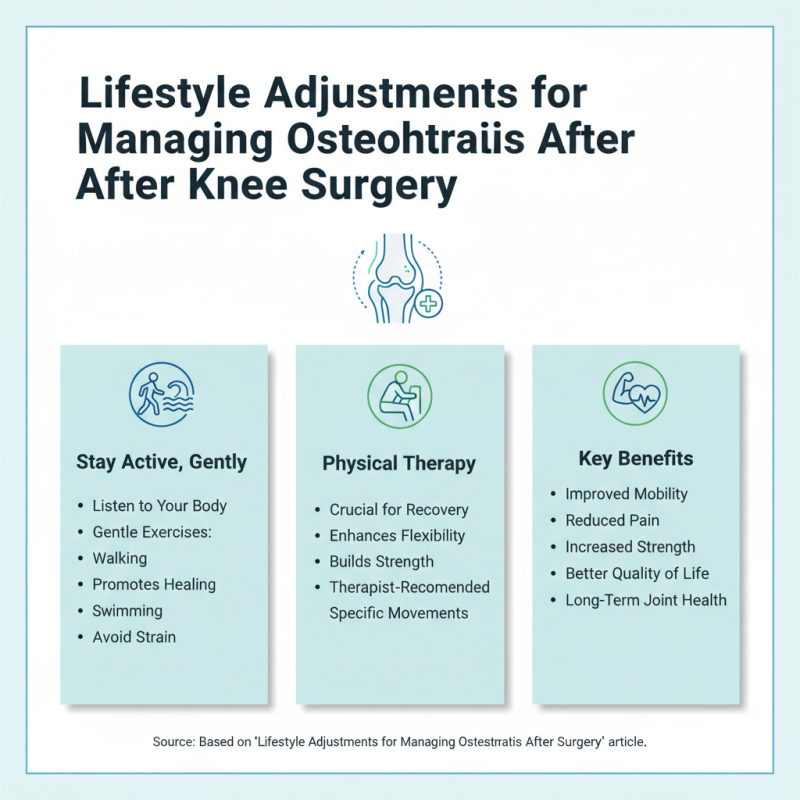
After knee surgery for osteoarthritis, some lifestyle adjustments can make a significant difference. Staying active is crucial, but you must listen to your body. Gentle exercises like walking or swimming promote healing without straining your knee. Engaging in physical therapy can enhance your recovery. Therapists often recommend specific movements that improve flexibility and strength.

Nutrition also plays a vital role in your post-surgery life. A balanced diet rich in anti-inflammatory foods might help. Leafy greens, fish, and nuts can support healing. However, it's easy to slip into unhealthy eating habits when feeling low. Sometimes, it’s tempting to reach for comfort food. Recognizing these moments can be essential for staying on track.

Mental well-being matters just as much as physical health. Emotions can fluctuate after surgery. Some days will feel overwhelming; on others, you may feel empowered. Finding supportive communities or talking to others can help. Reflection on your progress is important, even if it feels slow. Embrace each small victory; it adds up in the end.

DISCOVER THE POTENTIAL OF INNOVATIVE PROSTHETICS

From minor to severe injuries, our team develops advanced devices designed to support recovery and promote overall wellness.

Contact Us