What is Petroleum Jelly Uses Benefits and Applications?
Petroleum Jelly, a versatile product known for its numerous applications, has been a staple in households for generations. Dr. Emily Hartman, a renowned dermatologist, emphasizes its benefits: “Petroleum Jelly is a powerful moisturizer and barrier, essential for skin care.” This simple yet effective substance acts as a protective layer against moisture loss and environmental irritants, making it a key ingredient in many skincare routines.
The uses of Petroleum Jelly extend beyond moisturizing. It can aid in healing minor cuts and burns, improving skin resilience. Many professionals recommend it for dry skin, chapped lips, and even as a makeup remover. Its applications are vast, yet it often goes unrecognized for its efficacy in everyday life. While highly beneficial, it is essential to use it appropriately and be mindful of individual skin responses. Reflection on its proper application can enhance user experience and outcomes.
In a world of complex ingredients, Petroleum Jelly stands out for its simplicity and effectiveness. However, one must consider potential allergies or skin sensitivities. Embracing its benefits while being aware of personal skin health can lead to the best results.
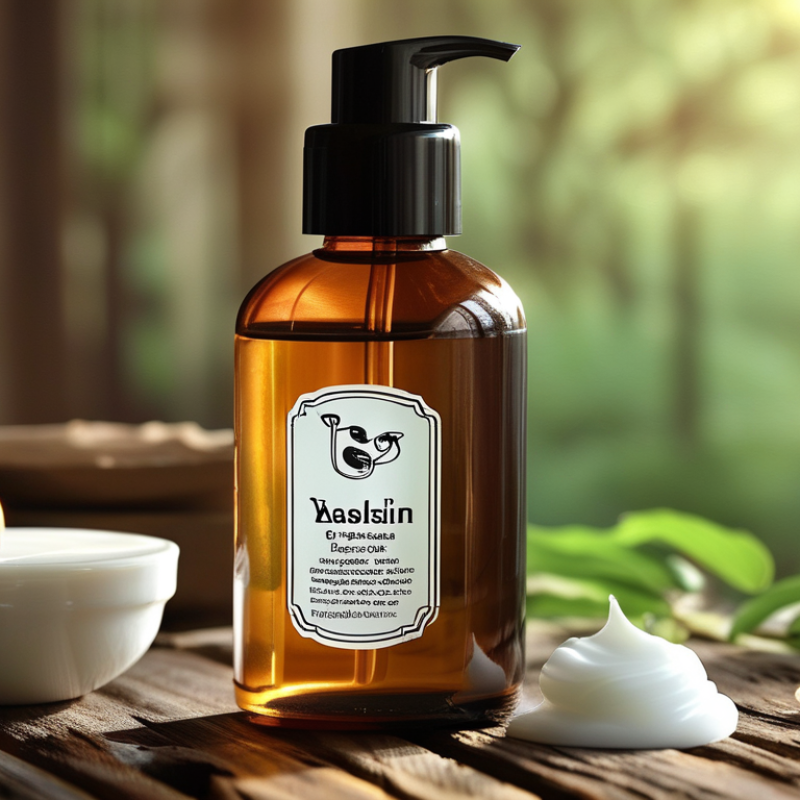
What is Petroleum Jelly: Definition and Composition
Petroleum jelly, also known as petrolatum, is a semi-solid mixture of hydrocarbons. It is created from bottom-of-the-barrel oil refining processes. Through distillation, lighter fractions separate, leaving behind a dense, viscous liquid. According to the American Petroleum Institute, around 1.26 million metric tons of petroleum jelly were produced worldwide in 2020. Its unique composition makes it ideal for many applications.
This substance is widely recognized for its moisturizing properties. It forms a protective barrier which helps to lock in moisture. This characteristic is particularly beneficial for dry skin. A clinical study published in the Journal of the American Academy of Dermatology found that using petroleum jelly significantly improved skin hydration in patients with eczema. However, it's crucial to note that while it works well for many, some individuals may experience irritation or breakouts. Testing is important to ensure suitability for different skin types.
Petroleum jelly is also utilized in various industries. It serves as a lubricant and corrosion inhibitor in mechanical applications. For example, in automotive maintenance, it helps protect components from rust and wear. Despite its versatile uses, continuous reliance on petroleum products raises environmental concerns. The industry faces critical scrutiny regarding sustainable alternatives. Balancing efficacy with ecological impact remains a pressing challenge.
Petroleum Jelly Uses and Benefits
Historical Background and Development of Petroleum Jelly in the Industry
Petroleum jelly, known for its versatility, has a fascinating history. Its origins trace back to the 19th century. During this period, workers discovered a byproduct from oil drilling that had unique protective qualities. This material eventually became known as petroleum jelly. Over the years, it gained acceptance in medicine for its soothing properties.
In the early 1900s, petroleum jelly became a staple in many households. It was used for treating minor cuts, scrapes, and burns. Its ability to create a barrier against moisture was a game-changer. While many people rely on it today, some still question its safety. The refinement process is crucial. Ensuring the product is pure is essential for safety.
Tips: When using petroleum jelly, apply it on clean, dry skin. This helps maximize its benefits. Test it on a small area first if you have sensitive skin.
Despite its positive attributes, some users report clogged pores. It's important to use it mindfully. Those with oily skin may want to avoid excessive application. Always listen to your skin's needs; adjust your use accordingly.
Medical and Dermatological Uses: Efficacy and Safety Data
Petroleum jelly, a semi-solid mixture of hydrocarbons, has various medical and dermatological applications. Its primary function in skin care involves forming a protective barrier. This barrier can effectively seal in moisture and promote healing in minor cuts and burns. According to a report by the American Academy of Dermatology, approximately 30% of dermatologists recommend petroleum jelly for dry skin management. Its occlusive properties help prevent transepidermal water loss. Most patients tolerate it well, citing minimal adverse reactions, though some individuals may experience sensitivity.
Efficacy studies reveal that petroleum jelly is safe for long-term use. A clinical trial published in the Journal of Dermatological Treatment showed a significant improvement in skin hydration levels in patients who applied it regularly. About 80% reported better skin texture and comfort. However, some dermatologists express concern about the potential for clogged pores, especially in acne-prone individuals. Moreover, a minority of users may find it too greasy or difficult to apply. These nuances underscore the importance of individualized care, as the best approach to skin health may vary from person to person.
What is Petroleum Jelly Uses Benefits and Applications?
| Use Case | Benefits | Applications | Efficacy | Safety |
| Moisturizer | Hydrates skin, prevents moisture loss | Daily skin care, dry skin treatment | Effective for reducing dryness | Generally safe for all skin types |
| Wound Care | Promotes healing, protects wounds | Minor cuts and scrapes, chafing | Reduces infection risk | Non-irritating, safe on skin |
| Lip Balm | Prevents chapping, adds moisture | Lip care, cosmetics | Highly effective in moisturizing lips | Safety is well-documented |
| Preventing Diaper Rash | Forms protective barrier on skin | Baby care, diaper changing | Reduces incidence of diaper rash | Considered safe for infants |
| Makeup Remover | Easily removes makeup without harsh chemicals | Cosmetic routine | Gentle on skin | Safe for sensitive skin |
Cosmetic and Personal Care Applications of Petroleum Jelly
Petroleum jelly, a widely recognized cosmetic product, has numerous applications in personal care. This versatile substance acts as an effective moisturizer, sealing in skin’s natural moisture. Many people apply it on dry patches, achieving instantly smoother skin. It is particularly beneficial during winter when skin tends to get drier. However, its greasy texture can feel heavy for some users.
In addition to hydration, petroleum jelly serves as a protective barrier. Many individuals use it on minor cuts and scrapes to keep the area moist and prevent scabbing. This action can promote healing, but it’s essential to assess individual skin reactions. Not everyone may feel comfortable using it on sensitive areas. For lip care, petroleum jelly offers relief from chapped lips. While it creates a shiny layer, some might prefer lighter balms.
Petroleum jelly is also often found in beauty routines. It can enhance the appearance of lashes and brows, giving them a fuller look. Still, overuse might lead to clogged pores for certain skin types, requiring evaluation of its frequency in skincare. With its many uses, petroleum jelly remains a staple in many households, but knowing how to use it correctly is crucial for optimal results.
Environmental Impact and Sustainability Considerations of Petroleum Jelly Usage
Petroleum jelly is widely used in various applications, from skincare to industrial purposes. However, its environmental impact raises some concerns. It is derived from petroleum, a non-renewable resource. The extraction and refining processes can contribute to habitat destruction and pollution. This has led to an ongoing debate about its sustainability.
While petroleum jelly does offer many benefits, its usage should be carefully considered. Alternatives are more sustainable, like plant-based oils. These options often come with less environmental impact. Moreover, the production of petroleum jelly can lead to significant carbon emissions. That’s a pressing issue for our planet.
Many people overlook these factors, focusing solely on the immediate benefits. Educating consumers about the lifecycle of petroleum products is essential. Responsible usage and exploration of greener alternatives are crucial. Choices we make today affect future generations. We need to reflect on these issues and strive for more sustainable practices.