Osteoarthritis Knee Surgery What You Need to Know

When considering osteoarthritis knee surgery, many questions arise. Dr. Emily Carter, an orthopedic surgeon, emphasizes, "Understanding the procedure is essential for every patient." Osteoarthritis can severely impact mobility and quality of life. Patients often face pain and stiffness, which can limit daily activities.

Choosing surgery is a significant decision. It requires careful thought about the benefits and risks involved. Some individuals may feel anxious about undergoing such a procedure. Others might wonder if surgery is truly necessary. The path to recovery can be long and challenging. Each person's experience with osteoarthritis knee surgery is unique.

Most patients seek relief from chronic pain. Surgery may provide a new lease on life. However, it's crucial to understand what to expect. Engaging in discussions with healthcare providers can clarify doubts. Ultimately, knowledge empowers patients to make informed choices about their treatment options.

Osteoarthritis Knee Surgery What You Need to Know

Understanding Osteoarthritis and Its Impact on the Knee
Osteoarthritis Knee Surgery What You Need to Know

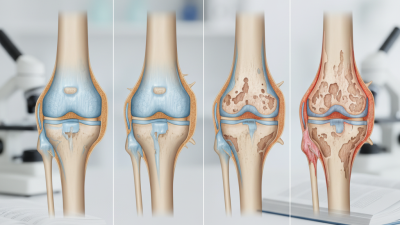
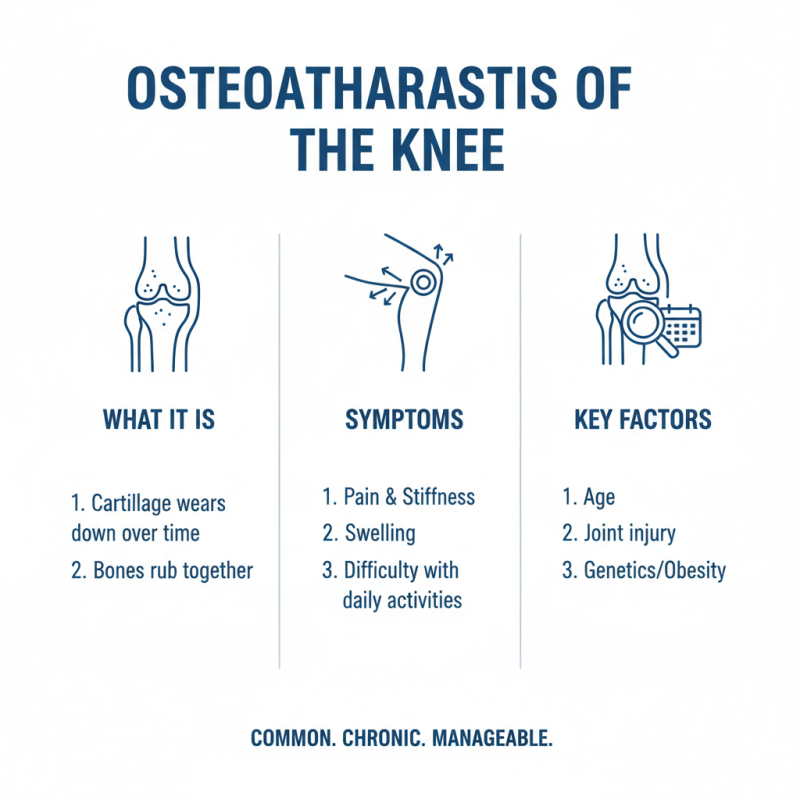
Osteoarthritis is a common condition that affects the knee. It occurs when the cartilage that cushions the joint wears down over time. This can lead to pain, stiffness, and swelling in the knee. Many people experience difficulty in performing daily activities.

Tip: Maintain a healthy weight. Extra weight puts more stress on the knees. Even small changes can ease a lot of pressure. Try to incorporate light exercises into your routine. They can help strengthen the muscles around your knees.

Understanding the impact of osteoarthritis is critical. It affects quality of life. Some may find it hard to walk or climb stairs. Others may feel a sense of frustration. This struggle often leads to emotional challenges, like anxiety or depression.

Tip: Engage in physical therapy. It can help you learn movement strategies. A physical therapist may provide tailored exercises to enhance your knee function. Stay positive and consider joining a support group. Sharing experiences can be very beneficial for coping.
Types of Surgical Options for Osteoarthritis of the Knee

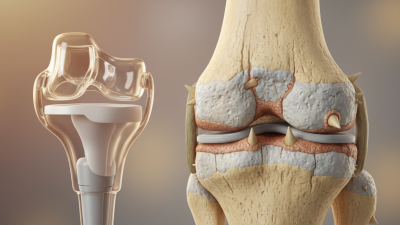
Osteoarthritis of the knee can severely impact mobility. When conservative treatments fail, surgery may be necessary. There are several surgical options available to patients with knee osteoarthritis, each with unique benefits and drawbacks.

Arthroscopic surgery is a minimally invasive approach. Surgeons use small incisions to remove damaged tissue. This option often leads to quicker recovery times. However, it may not provide long-term relief for all patients. It’s essential to discuss your specific condition with your doctor.

Partial knee replacement is another surgical option. This procedure replaces only the damaged portion of the knee. It can be beneficial for younger patients or those with limited damage. Recovery is typically faster than total knee replacement. But if the other parts of the knee deteriorate, further surgery may be required.

Tips: Prior to surgery, consider physical therapy. Strengthening the muscles around your knee can aid in recovery. Also, communicate openly with your surgeon about your expectations. It's crucial to establish a clear understanding of the possible outcomes. Reflect on your lifestyle habits too; they may influence your recovery.

Osteoarthritis Knee Surgery: Types of Surgical Options

Preoperative Assessments and Preparations for Knee Surgery

Osteoarthritis Knee Surgery What You Need to Know

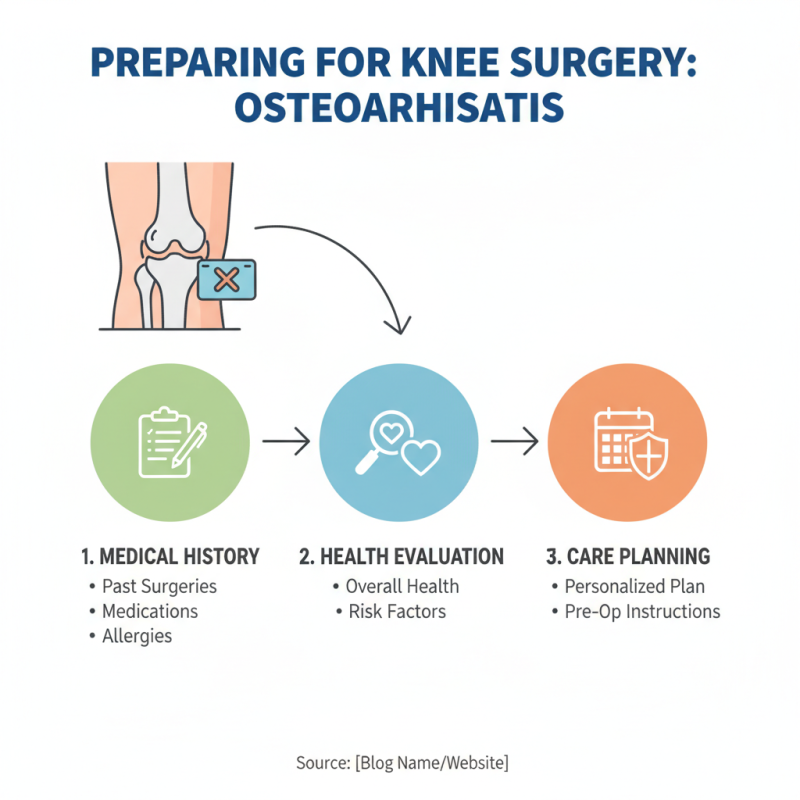
Preparing for knee surgery due to osteoarthritis involves several important preoperative assessments. A thorough evaluation begins with a detailed medical history. Understanding your health background is crucial. Your doctor will ask about previous surgeries, current medications, and any allergies. This helps in planning your care effectively.

Lab tests often follow. You may undergo blood tests to check your overall health. These tests assess your blood’s ability to clot and identify any underlying issues. An imaging test, like an X-ray or MRI, can also help visualize the joint. These assessments provide a clearer picture of what's happening in your knee.

Mental preparation is equally vital. Reflect on your concerns and fears surrounding the procedure. Communication with your healthcare team is beneficial. Often, anxiety can be disruptive. Preparing questions in advance can alleviate uncertainty. Consider discussing your expectations and desired outcomes. Engaging in prehab exercises could help increase strength and mobility. Familiarize yourself with post-operative care as well. This preparation allows a smoother transition after surgery.

Postoperative Care and Recovery Expectations

Postoperative care is crucial after knee surgery for osteoarthritis. Initially, you may experience swelling and discomfort. It's important to follow your doctor's instructions carefully. Ice packs can help reduce swelling. Rest is necessary, but gentle movement is also encouraged. You might need assistance for daily activities. Family and friends can provide invaluable support.

As you progress, physical therapy plays a vital role. A qualified therapist can guide you through exercises tailored to your recovery. These movements help strengthen the knee while improving flexibility. However, it’s normal to feel frustrated at times. Recovery can be slow, and setbacks may occur. Celebrating small victories is essential for staying motivated.

Pay attention to your body’s signals. Pain should not be ignored, and any unusual symptoms need to be reported. Keeping a journal can help track your recovery journey. Documenting your progress and emotions may reveal patterns. This reflection can help you adapt your recovery strategy. With patience and persistence, a more active lifestyle is within reach.

Long-term Outcomes and Management of Knee Osteoarthritis After Surgery

Knee osteoarthritis surgery can significantly affect long-term outcomes. Studies show that about 70% of patients report pain relief after the procedure. However, results can vary widely. Some individuals may experience only minor improvements. Others might even face complications. A meta-analysis revealed a 15% revision rate within ten years. This highlights the importance of continued management after surgery.

Post-surgical care is critical in managing knee osteoarthritis. Physical therapy is often recommended to strengthen muscles around the knee. Regular exercise can help maintain mobility. Research indicates that a consistent exercise regime may improve knee function by up to 20%. Yet, many patients struggle to adhere to these plans.

Patients should also focus on lifestyle changes. Weight management plays a significant role. Research shows that every pound lost can reduce pressure on the knee by four pounds. This can lead to improved outcomes. Ultimately, surgery is just a part of the journey. Ongoing reflection on lifestyle and exercise is essential for better long-term health.

DISCOVER THE POTENTIAL OF INNOVATIVE PROSTHETICS

From minor to severe injuries, our team develops advanced devices designed to support recovery and promote overall wellness.

Contact Us