How to Manage a Bad Knee for Better Mobility and Comfort?
Managing a bad knee can be challenging, yet essential for maintaining mobility. Many people experience discomfort due to knee issues. Understanding how to navigate these challenges can improve daily life.
When dealing with a bad knee, it’s crucial to recognize the impact on movement. Simple tasks like walking or climbing stairs may become daunting. Incorporating low-impact exercises can enhance strength. Balance exercises can also provide stability and prevent falls.
In addition, maintaining a healthy weight is vital. Excess weight places additional strain on the knee joint. Alongside physical adjustments, it's essential to listen to your body. Pain signals can guide your activities. Small changes, when made consistently, can lead to significant improvements.
Understanding Knee Pain and Its Impact on Mobility
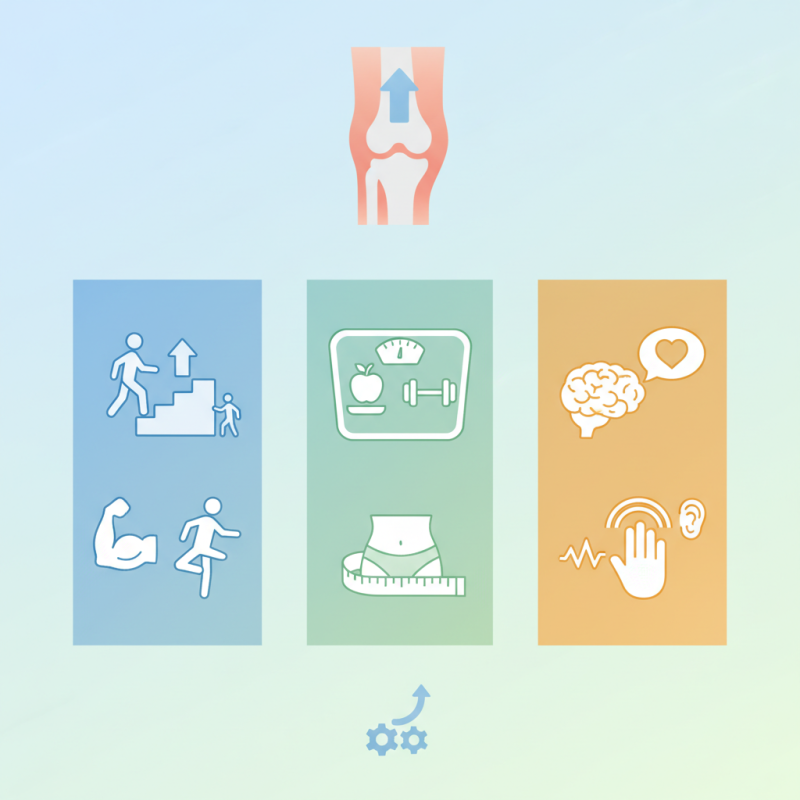
Knee pain significantly impacts mobility. Many individuals struggle with daily activities due to discomfort. Understanding the factors contributing to knee pain can aid in management strategies. Common causes include arthritis, injuries, and aging. Each has unique symptoms and challenges.
Limited range of motion can lead to frustration. Simple tasks, like walking or climbing stairs, become hurdles. Daily life demands movement. When that movement is painful, it affects mental well-being too. Adapting to these changes requires patience and creativity. For instance, modifying routines or exploring gentle exercises can help.
Listening to your body is crucial. It can signal when to push through discomfort or take a break. Acknowledging emotional responses to pain is important as well. Acceptance doesn't mean giving up. It means finding a new way to engage with your mobility challenges. Finding support from professionals or community groups can provide valuable insights and encouragement.
Understanding the Impact of Knee Pain on Mobility
Common Causes of Knee Problems and Related Symptoms
Knee problems can greatly affect mobility and comfort. Common causes include arthritis, injuries, and overuse. Arthritis leads to inflammation and pain, often making simple tasks difficult. Injuries from sports or falls can result in ligament tears or cartilage damage. These issues can present with swelling, stiffness, and a limited range of motion.
Other factors contributing to knee pain include age and obesity. As we age, joint wear and tear increases. Extra weight puts stress on the knees, worsening pain. Lack of regular movement can also lead to muscle weakness around the knee, further reducing support. Exercising with care may help, but sometimes it leads to frustration. Finding the right balance between activity and rest is crucial.
Listening to your body is vital. If an activity causes pain, it’s a sign to adapt or stop. Consulting with a healthcare professional can provide tailored advice based on individual conditions. Remember, managing a bad knee is a journey, often requiring patience and adjustments along the way.
How to Manage a Bad Knee for Better Mobility and Comfort?
| Common Causes | Related Symptoms | Management Techniques | Recommended Exercises |
|---|---|---|---|
| Osteoarthritis | Joint pain, stiffness, swelling | Weight management, physical therapy | Walking, stationary cycling |
| Rheumatoid Arthritis | Pain, fatigue, joint deformity | Medications, lifestyle changes | Swimming, stretching |
| Meniscus Tear | Locking sensation, swelling | Rest, ice, elevate | Quadriceps strengthening |
| Patellar Tendinitis | Pain below the kneecap | Physical therapy, braces | Leg raises, jump squats |
| Bursitis | Swelling, tenderness | Corticosteroid injections, rest | Gentle range of motion |
Effective Rehabilitation Exercises for Knee Strength and Flexibility
Rehabilitation exercises are vital for improving knee strength and flexibility. Consistent practice can lead to better mobility and enhanced comfort. A simple routine can make a significant difference. Start with gentle stretches. These help in maintaining flexibility. Try seated hamstring stretches or standing quadriceps stretches. Hold each stretch for 20-30 seconds. Repeat them a few times a day.
Strengthening exercises matter, too. Wall sits and calf raises are great choices. These exercises should be done with care. Start slowly to avoid strain. Aim for 10-15 repetitions and build gradually. Listen to your body. If something hurts, pause and reassess. It’s essential to find a balance between pushing for strength and respecting your limits.
Incorporating low-impact activities like swimming or cycling can enhance your routine. They build endurance without stressing the knee. Mix these with strength exercises for a comprehensive approach. Monitor your progress and adjust activities based on how your knee feels. Don't hesitate to seek advice from professionals if needed. Remember, the journey to better mobility is a marathon, not a sprint.
Tips for Choosing Supportive Footwear and Assistive Devices
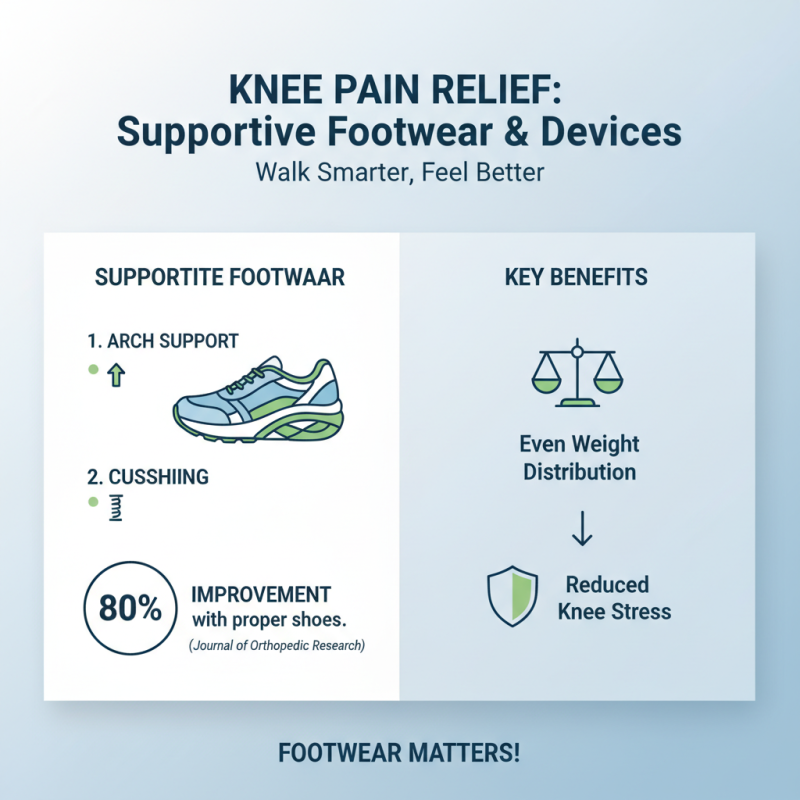
Choosing the right supportive footwear is crucial for managing knee pain effectively. Research indicates that improper shoes can exacerbate joint issues. A study published in the "Journal of Orthopedic Research" found that 80% of individuals with knee pain reported improvements after switching to supportive shoes. Look for shoes that offer proper arch support and cushioning. These features can help distribute body weight more evenly and reduce stress on your knees.
Assistive devices can also play a vital role in maintaining mobility. A cane or knee brace may provide additional stability. According to data from the Centers for Disease Control and Prevention (CDC), using such devices can enhance balance and reduce the risk of falls by up to 25%. Selecting the right device requires understanding your specific needs. Consult with a healthcare professional to assess what might work best for you. Unfortunately, many people neglect these tools, fearing they indicate weakness. This mindset can hinder mobility.
It’s important to reflect on your habits and choices. Some individuals may favor style over comfort when selecting footwear, which can worsen knee issues. Recognizing this can motivate you to prioritize your joint health over aesthetics. Adjusting to supportive footwear or assistive devices may feel uncomfortable initially. However, the long-term benefits for mobility and comfort are often worth the temporary discomfort.
Lifestyle Modifications for Managing Knee Pain and Enhancing Comfort
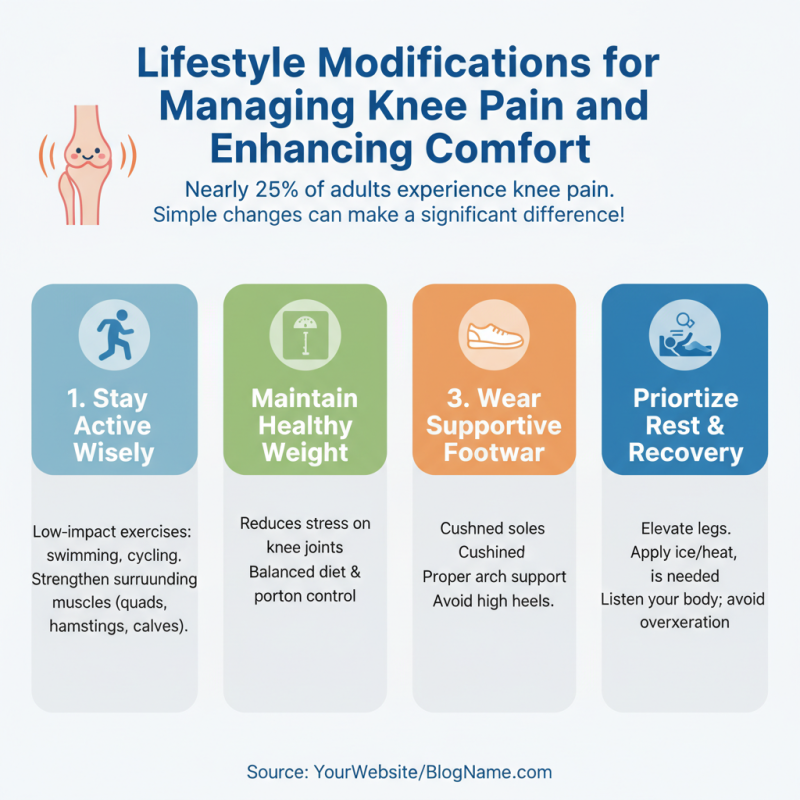
Managing knee pain requires thoughtful lifestyle modifications to improve mobility and comfort. According to the American Academy of Orthopaedic Surgeons, nearly 25% of adults experience knee pain at some point. Simple changes can make a significant difference.
Proper weight management is crucial. This often requires ongoing effort. Research shows that losing just 5-10% of body weight can reduce knee pain by 50%. Regular low-impact exercises such as swimming or cycling can also enhance joint function. Strengthening the muscles around the knee can provide additional support, which is vital.
Tips for managing knee pain:
- Incorporate flexibility exercises, like yoga, three times a week.
- Use supportive footwear that cushions the knees while walking.
- Apply heat or ice therapy to relieve discomfort after activities.
Nutrition plays a vital role, too. Foods rich in Omega-3 fatty acids and antioxidants can reduce inflammation. Consider adding more fresh fruits, vegetables, and fish to your diet. Proper hydration is also essential for joint health, yet many forget to drink enough water daily.
It’s important to listen to your body. Sometimes, pushing through pain only leads to more discomfort. Consult a healthcare professional for personalized advice tailored to your needs. Remember, small adjustments can lead to significant improvements.
Related Posts
-
10 Essential Tips for Managing Bad Knee Pain and Staying Active
-
China Best Methods for Treating Osteoarthritis in Knees?
-

2026 Top Insights on Mild Osteoarthritis Management Trends?
-

What Are the Stages of Osteoarthritis for Global Buyers at Canton Fair?
-
Best Relief from Osteoarthritis Products in China?
-

2026 Best Solutions for Osteoarthritis and Knee Replacement Options?
DISCOVER THE POTENTIAL OF INNOVATIVE PROSTHETICS
From minor to severe injuries, our team develops advanced devices designed to support recovery and promote overall wellness.