
China Best Tea Polyphenol Extract Manufacturer Supplier
Choosing a China Best Tea Polyphenol Extract Manufacturer Supplier requires more than comparing prices or reading polished catalogs. Buyers need dependable quality, clear documentation, and practical manufacturing experience. Tea Polyphenol Extract is commonly produced from carefully processed tea leaves, with controlled extraction, concentration, drying, and packaging procedures. Each stage can influence purity, color, solubility, and stability.
A qualified supplier should provide batch-specific certificates of analysis, testing methods, production details, and traceable raw material information. Important indicators may include total polyphenol content, moisture, microbiological limits, heavy metals, pesticide residues, and solvent controls. Reliable manufacturers usually maintain documented quality systems and communicate openly about specifications. They should also explain whether the extract suits beverages, dietary supplements, cosmetics, or other approved applications. Details matter.
Experience is visible in small things. Clean production areas, sealed sample bags, consistent powder texture, and responsive technical support can reveal operational discipline. However, no supplier is perfect, and marketing language should never replace independent verification. Product performance may change with tea variety, extraction conditions, storage temperature, and packaging materials. That deserves attention.
A responsible sourcing decision combines factory communication, laboratory testing, regulatory review, and sample evaluation. Buyers should confirm labeling requirements in the destination market before placing commercial orders. The strongest partnership is not always the cheapest one. It is the supplier that can deliver consistent Tea Polyphenol Extract while supporting transparent, evidence-based quality decisions. Mistakes can happen. Good suppliers acknowledge them, investigate root causes, and improve their processes.
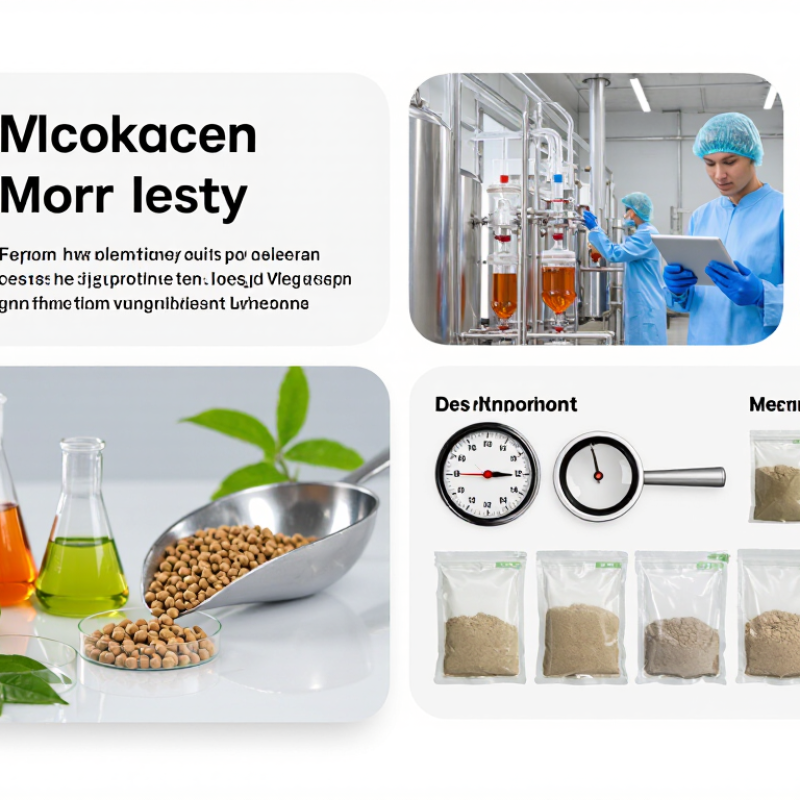
China Tea Polyphenol Extract Manufacturers: A Buyer’s Encyclopedia
China remains a major sourcing base for tea polyphenol extract, supported by extensive tea cultivation and mature processing capacity. Grand View Research estimated the global tea polyphenols market at about USD 1.3 billion in 2023, with continued growth expected through 2030. Estimates vary between research firms, so buyers should verify the calculation method and product definition.
A dependable supplier should provide a clear specification sheet, recent COA, production date, extraction method, and catechin profile. Key figures include total polyphenols, EGCG, caffeine, moisture, ash, heavy metals, pesticide residues, and microbial limits. Ask whether testing uses HPLC, UV, or another method. Results are not interchangeable. That detail is often missed.
In practical purchasing, request samples from different batches, not one attractive laboratory result. Check powder color, odor, dispersibility, and stability after storage. HACCP, ISO 9001, and suitable food-safety controls add credibility, but certificates alone prove little. Audit records, traceability, and corrective-action procedures matter more. A low quotation may reflect efficient production, or weaker testing. I would not assume either without evidence. Packaging should protect the extract from humidity, heat, and light, especially during sea transport. Chinese manufacturers with transparent documentation make technical comparison easier, yet buyers still need independent verification before approving a long-term supply agreement.
Tea Polyphenol Composition and ISO 14502-1 Testing Methods
Tea polyphenol extracts contain several related compounds, not one uniform substance. Catechins, including EGCG, often form the largest fraction in green tea extracts. Black tea may contain more theaflavins and thearubigins after oxidation. Caffeine can also appear, but it is not a polyphenol. That difference matters. For a manufacturer or supplier, composition should be reported with measurable values, batch numbers, and suitable storage conditions.
ISO 14502-1 provides a recognized colorimetric method for determining total polyphenols in tea materials. The procedure uses an extract, Folin-Ciocalteu reagent, and controlled reaction conditions. Absorbance is measured with a spectrophotometer, commonly near 765 nm. Results are generally calculated against a gallic acid calibration curve and reported as gallic acid equivalents. Calibration quality matters. Blanks, duplicate tests, and reference materials help reduce avoidable errors.
In practical laboratory work, sample preparation deserves close attention. Moisture, particle size, extraction time, and temperature can influence the final reading. Analysts should record each condition clearly and retain representative samples. No test is flawless. A repeated extraction may reveal variation that one measurement hides. ISO 14502-1 measures total reducing compounds through a color reaction, so it does not identify every individual catechin. Additional chromatographic testing may be needed when a detailed composition profile is required. Reliable documentation connects the laboratory result with the actual extract batch.
Green Tea Extract Processing for 40–98% Polyphenol Content
China Best Tea Polyphenol Extract Manufacturer Supplier
Green Tea Extract Processing for 40–98% Polyphenol Content
Producing green tea extract with 40–98% polyphenols requires controlled processing, not simply stronger concentration. Fresh tea leaves are inspected for moisture, color, odor, and foreign materials before extraction. Low-temperature water or food-grade ethanol extraction can help protect sensitive catechins. Processing conditions must match the target specification.
After filtration, the liquid extract is concentrated under reduced pressure. This step limits heat exposure and supports a cleaner flavor profile. Spray drying then converts the concentrate into a stable powder. Carriers may be used when necessary, but their ratio should remain clearly documented. Higher polyphenol grades often need additional purification and tighter drying control.
Quality testing should include total polyphenols, catechin composition, moisture, residual solvents, heavy metals, and microbiological limits. HPLC analysis can provide more useful detail than a single color-based result. Each batch should have traceable records, including tea origin, extraction date, and process parameters. Small variations still occur. Tea season, leaf age, and storage conditions can influence the final profile. A reliable supplier should explain these limits openly instead of promising identical results every time. Specification sheets and representative samples help buyers assess suitability for beverages, supplements, and functional food applications.
Supplier Compliance with GMP, HACCP, ISO 22000, and GB 2760
China Best Tea Polyphenol Extract Manufacturer Supplier
A dependable tea polyphenol extract supplier treats compliance as daily work, not a certificate on a wall. GMP controls hygiene, personnel training, equipment cleaning, and batch traceability. During production, operators should record temperature, extraction time, drying conditions, and packaging details. These records help explain differences between lots.
HACCP adds a practical safety structure. The team identifies hazards at each stage, from green tea receipt to finished powder release. Typical checks include moisture, microbial limits, heavy metals, pesticide residues, and solvent residues when applicable. ISO 22000 connects these controls with documented risk management and continual improvement. Ask for current certification, audit scope, and test reports from qualified laboratories. Do not rely on a logo alone.
GB 2760 requires careful interpretation in China. It governs permitted food additives and their approved uses, while the final application must match the relevant food category and dosage conditions. A professional supplier should review the intended use before recommending specifications. Product identity, polyphenol content, caffeine level, and storage stability also deserve attention. Keep it measurable. No system is flawless. Paperwork can lag behind production, and small recording errors may escape review. Strong suppliers invite questions, investigate deviations, and correct procedures instead of hiding them. That behavior shows experience, technical discipline, and reliability.
China Tea Polyphenol Extract Supplier Compliance Framework
The chart shows the publication or revision year of key food-safety frameworks commonly used when evaluating tea polyphenol extract manufacturing and supplier controls. These years identify the applicable reference editions and do not represent a certification score or company-specific compliance status.
References: ISO 22000:2018; Codex Alimentarius CXC 1-1969, 2020 revision; GB 2760-2024, effective February 8, 2025; GB 14881-2013.
Quality Evaluation: EGCG, Caffeine, Moisture, and Heavy Metals
For a tea polyphenol extract, quality starts with measurable EGCG, not a glossy specification sheet. HPLC testing should identify EGCG and total catechins using ISO 14502-2 principles. A practical certificate should show the exact result, method, batch number, and testing date. Many extracts target 40–80% EGCG, but higher concentration does not automatically mean better quality. Balance matters.
Caffeine needs separate analysis because it can affect formulation and consumer use. HPLC results should report caffeine in percentage and milligrams per serving. The European Food Safety Authority reported that single caffeine intakes up to 200 mg generally raise no safety concern for healthy adults. This is not a permission to ignore individual sensitivity. Some reports still provide unclear serving assumptions.
Moisture testing, commonly performed near 105°C under validated procedures, helps reveal storage risk. Excess moisture can encourage clumping, oxidation, and unstable color. Heavy metals require ICP-MS or an equivalent validated method, with lead, arsenic, cadmium, and mercury reported separately. Codex CXS 193-1995 provides international guidance, but legal limits can differ by market. One weakness remains: a single pass result cannot prove long-term stability. Retesting after transport and storage is wiser, even when the powder looks dry and uniform.
China Best Tea Polyphenol Extract Manufacturer Supplier - Quality Evaluation: EGCG, Caffeine, Moisture, and Heavy Metals
| Sample ID | EGCG (% w/w) | Total Tea Polyphenols (% w/w) | Caffeine (% w/w) | Moisture (% w/w) | Lead (Pb) (mg/kg) | Arsenic (As) (mg/kg) | Cadmium (Cd) (mg/kg) | Mercury (Hg) (mg/kg) | Quality Status |
|---|---|---|---|---|---|---|---|---|---|
| TP-2401 | 52.8 | 72.4 | 3.42 | 3.1 | 0.18 | 0.09 | 0.04 | <0.01 | Pass |
| TP-2402 | 51.6 | 70.9 | 3.76 | 2.7 | 0.22 | 0.11 | 0.05 | <0.01 | Pass |
| TP-2403 | 55.1 | 75.6 | 2.98 | 3.5 | 0.14 | 0.07 | 0.03 | <0.01 | Pass |
| TP-2404 | 50.7 | 69.8 | 4.18 | 4.2 | 0.31 | 0.16 | 0.07 | 0.02 | Pass |
| TP-2405 | 53.9 | 73.7 | 3.21 | 2.4 | 0.11 | 0.06 | 0.02 | <0.01 | Pass |
| TP-2406 | 57.3 | 77.1 | 2.65 | 3.0 | 0.16 | 0.08 | 0.03 | <0.01 | Pass |
| Acceptance Criteria | ≥ 50.0 | ≥ 70.0 | ≤ 5.0 | ≤ 5.0 | ≤ 2.0 | ≤ 1.0 | ≤ 1.0 | ≤ 0.1 | Conforms |
Article Source:
DISCOVER THE POTENTIAL OF INNOVATIVE PROSTHETICS
From minor to severe injuries, our team develops advanced devices designed to support recovery and promote overall wellness.
