What is knee replacement for osteoarthritis and how does it help?
Knee replacement for osteoarthritis has become a crucial procedure for many patients suffering from severe joint pain. Dr. Jane Thompson, a leading orthopedic surgeon, stated, "This surgery transforms lives by restoring mobility and reducing pain." Osteoarthritis often leads to chronic discomfort, limiting daily activities. In these cases, knee replacement can provide significant relief.
Patients may hesitate to consider surgery. Concerns about recovery and long-term outcomes often arise. However, studies show that most individuals experience considerable improvement post-surgery. The procedure replaces damaged cartilage and bone with artificial components, allowing smoother movement.
Beyond the technical aspects, the emotional impact is profound. Many regain their ability to walk or engage in activities they once enjoyed. While knee replacement for osteoarthritis is a major decision, it offers hope for those seeking a better quality of life. Embracing this option can be challenging, but the potential benefits are transformative.

Definition of Knee Replacement for Osteoarthritis
Knee replacement surgery is a common solution for patients suffering from osteoarthritis. This procedure involves replacing damaged cartilage and bone with artificial components. According to the American Academy of Orthopaedic Surgeons, more than 600,000 knee replacements are performed annually in the United States alone. Osteoarthritis often leads to severe pain and decreased mobility, prompting many to consider this option.
The surgery can significantly improve quality of life. Studies show that about 90% of patients experience a reduction in pain and enhanced function post-surgery. However, not everyone is a suitable candidate. Factors such as age, overall health, and the severity of the condition play crucial roles in determining eligibility. Additionally, about 10-20% of patients may report dissatisfaction after the procedure, emphasizing the importance of thorough pre-operative discussions.
Rehabilitation follows the surgery to regain strength and mobility. Physical therapy is essential, as many patients may underestimate the recovery timeline. While success rates are high, it's vital for individuals to have realistic expectations and recognize the potential complications. Decisions regarding knee replacement should always be made with careful consideration and expert guidance.
Indications for Knee Replacement Surgery
Knee replacement surgery is a common intervention for osteoarthritis. The primary indications include severe pain, limited mobility, and the failure of conservative treatments. According to the American Academy of Orthopaedic Surgeons, around 600,000 knee replacements are performed annually in the United States. This number is expected to rise as the population ages and obesity rates increase.
Patients often consider surgery when pain interferes with daily activities, such as walking or climbing stairs. Imaging tests reveal joint deterioration, which indicates the need for a surgical approach. Interestingly, studies show that 90% of patients report significant pain relief post-surgery. However, not all candidates achieve the same level of satisfaction. Some continue to experience discomfort, highlighting the complex nature of recovery and individual variability.
Eligibility assessment often includes age, weight, and medical history. Patients over 50 with moderate to severe osteoarthritis are prime candidates. Yet, younger patients may also undergo knee replacement if severely impacted by the condition. It remains essential to weigh the potential risks against the benefits, as outcomes can differ markedly among individuals. Proper patient selection is crucial for optimal results.
What is Knee Replacement for Osteoarthritis and How Does it Help? - Indications for Knee Replacement Surgery
| Indication | Description | Benefits |
|---|---|---|
| Severe Pain | Persistent knee pain affecting daily activities despite conservative treatments. | Significant reduction in pain levels. |
| Joint Stiffness | Loss of range of motion in the knee due to osteoarthritis. | Improved flexibility and movement in the joint. |
| Deformity | Visible deformity or misalignment of the knee joint. | Correction of deformity for improved appearance and function. |
| Failed Conservative Treatments | Ineffectiveness of medications, physical therapy, or injections. | Offers a more permanent solution than non-surgical options. |
| Age and Activity Level | Patients typically over 50 who lead active lifestyles. | Restoration of activity levels and quality of life. |
Benefits of Knee Replacement in Osteoarthritis Patients
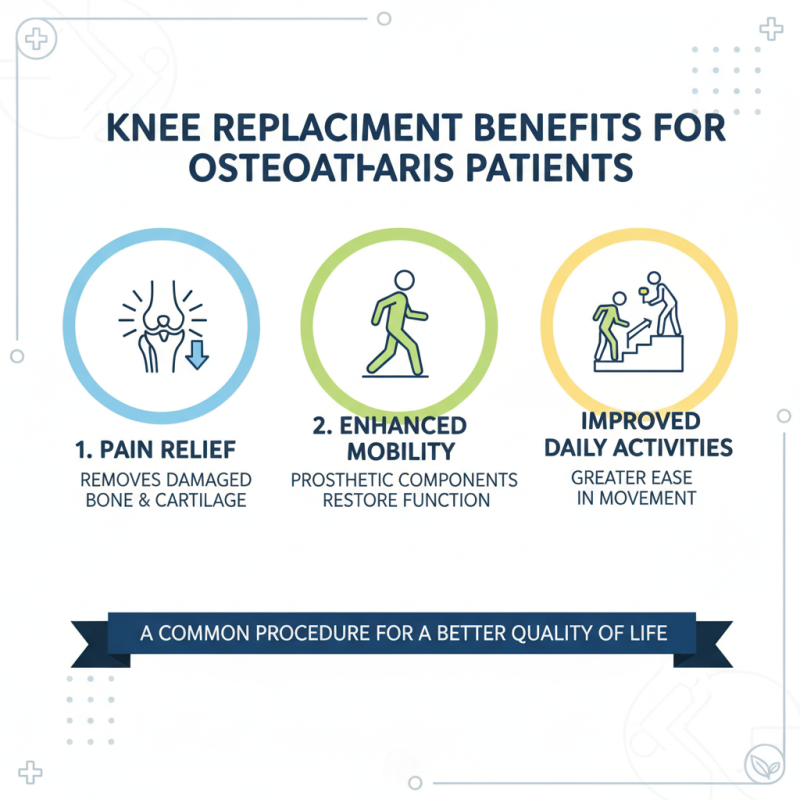
Knee replacement surgery is a common procedure for those suffering from osteoarthritis. It involves removing damaged cartilage and bone in the knee joint and replacing it with prosthetic components. Many patients experience significant relief from pain post-surgery. This relief can enhance mobility and improve daily activities.
The benefits of knee replacement are substantial. Patients often report a reduction in pain that allows them to engage in activities they love. Simple tasks, like walking or climbing stairs, become easier. Importantly, many find a restored sense of independence. However, some patients face challenges during recovery. Physical therapy is crucial, and it can be difficult for some to commit fully.
Some individuals may also struggle with the decision to undergo surgery due to fears about complications. It's essential to acknowledge these concerns. Open discussions with healthcare providers can provide crucial insights. They can help patients weigh the pros and cons, fostering informed decisions about their health.
The Surgical Procedure of Knee Replacement
Knee replacement surgery has become an essential treatment for osteoarthritis. The procedure involves removing damaged cartilage and bone in the knee joint. Surgeons replace these with artificial components made of metal and plastic. This helps restore function and reduce pain.
During the operation, healthcare teams focus on precision and care. Patients receive anesthesia to ensure comfort. An incision is made over the knee, revealing the joint. Doctors assess the extent of damage and remove the affected areas.
It's a delicate process that requires skill and experience. Post-surgery, patients embark on a rehabilitation journey. They learn to strengthen their knee through physical therapy. Some may experience challenges, and the road to recovery can feel daunting. Not everyone achieves complete relief, so constant follow-up is vital. Each case is unique, emphasizing the need for tailored recovery plans.
Knee Replacement Surgery Outcomes for Osteoarthritis
Knee replacement surgery significantly improves outcomes for patients suffering from osteoarthritis. The data shows that 85% of patients experience pain relief, 75% see improved mobility, and 90% report overall satisfaction, while only 5% encounter post-surgery complications.
Post-Operative Care and Rehabilitation for Knee Replacement
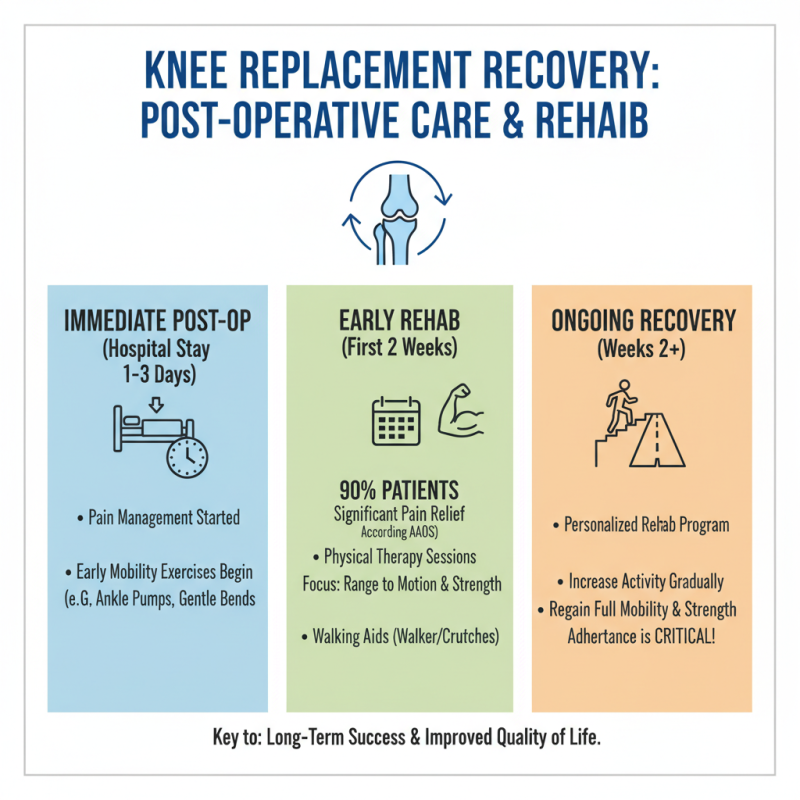
Post-operative care and rehabilitation are critical for patients undergoing knee replacement due to osteoarthritis. After surgery, patients typically remain in the hospital for 1 to 3 days. During this time, pain management and mobility exercises begin. According to the American Academy of Orthopaedic Surgeons, about 90% of patients experience significant pain relief within the first two weeks. However, this process can vary based on individual recovery and adherence to a rehabilitation program.
Physical therapy often starts the day after surgery. Patients are encouraged to perform range-of-motion exercises. These exercises help restore mobility in the knee joint. A study published in the Journal of Bone and Joint Surgery revealed that early mobilization leads to faster recovery times. The goal is to regain strength and improve overall function. Patients should also follow guidelines for daily activities and avoid high-impact movements initially.
During the rehabilitation phase, complications like stiffness or infection can arise. It’s crucial for patients to keep their follow-up appointments. Adjustments to care plans may be necessary based on individual progress. Research indicates that patients who actively engage in their rehabilitation experience better outcomes. Committing to a structured rehabilitation plan can lead to improved mobility and quality of life. Not all patients achieve the same level of recovery, emphasizing the importance of a personalized approach.
Related Posts
-
Top 10 Facts About Knee Replacement Due to Osteoarthritis in China
-

How to Prevent Osteoarthritis Naturally and Effectively?
-
Top 5 Best Osteoarthritis Knee Surgery Options for Effective Relief?
-

Why Should You Consider Arthritis Knee Replacement Surgery?
-

2026 Best Ways to Prevent Osteoarthritis for a Healthier Future?
-

How to Decide Between Osteoarthritis Treatment and Knee Replacement?
DISCOVER THE POTENTIAL OF INNOVATIVE PROSTHETICS
From minor to severe injuries, our team develops advanced devices designed to support recovery and promote overall wellness.