Top 10 Facts About Knee Replacement Due to Osteoarthritis in China
Knee replacement due to osteoarthritis is a growing concern in China. As the population ages, the incidence of osteoarthritis increases, affecting millions. According to recent reports, around 60% of knee replacement surgeries are linked to this debilitating condition. Osteoarthritis leads to severe joint pain and reduced mobility, impacting daily life and productivity.
China's healthcare system faces the challenge of managing these surgeries effectively. In 2022, approximately 1.5 million knee replacement procedures were performed, highlighting the need for specialized care and resources. Despite advancements in surgical techniques, complications still arise, leading to debates about the best practices in care.
Furthermore, while surgery can offer relief, it isn't a guaranteed solution. Patients may experience varying outcomes. Understanding the complexities behind knee replacement due to osteoarthritis is crucial for both patients and healthcare providers. A comprehensive approach is required to tackle this growing health issue in China.

The Prevalence of Osteoarthritis Leading to Knee Replacement in China
Osteoarthritis is a leading cause of knee replacement surgeries in China. As the population ages, the incidence of this joint disease rises. Studies show that nearly 10% of adults over 60 in China suffer from knee osteoarthritis. This condition results in severe pain and disability, driving many to consider surgical intervention. The increasing prevalence highlights the importance of understanding and addressing this health issue.
Tips for managing osteoarthritis include maintaining a healthy weight. Extra body weight can place additional stress on the knees, worsening symptoms. Regular low-impact exercises, like swimming or cycling, can improve joint function. Consultation with healthcare professionals is crucial for tailored treatment plans. Dietary changes, such as incorporating anti-inflammatory foods, may also provide relief.
Awareness about the need for knee replacement is increasing among patients. Yet, many hesitate due to misconceptions about surgery. Not all patients need surgery at the onset of osteoarthritis. It's essential to explore non-surgical options first. Education on symptoms and available treatments can empower patients, guiding them to make informed decisions regarding their health outcomes.
Demographics: Age and Gender Trends in Knee Replacement Surgery
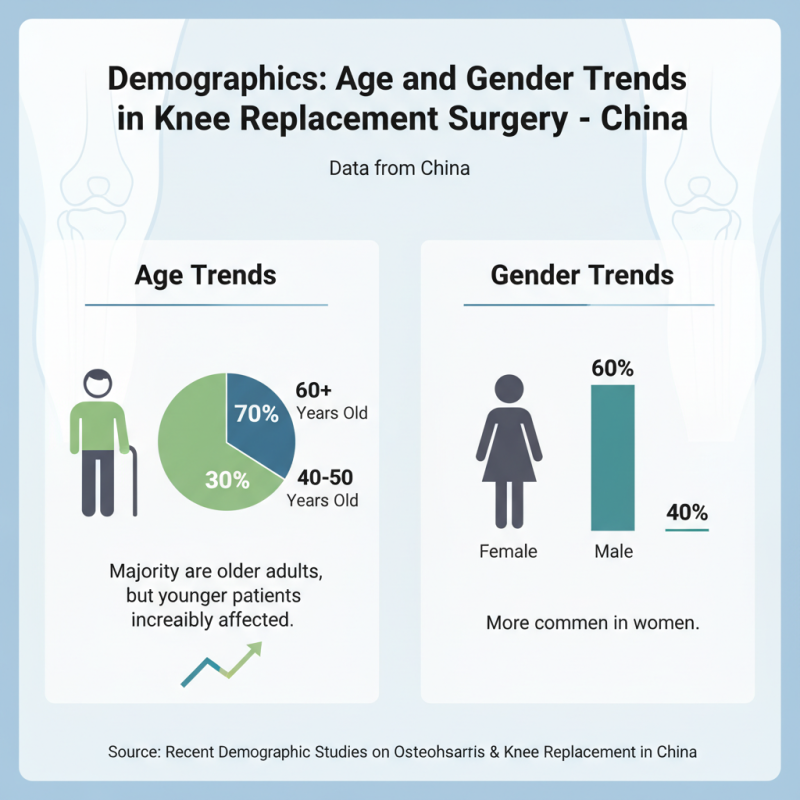
Knee replacement surgery due to osteoarthritis is increasingly common in China. Recent demographic studies reveal significant trends in age and gender among patients. A majority of those undergoing this procedure are older adults, typically aged 60 and above. However, younger patients, often in their 40s and 50s, are also being affected by this condition.
Gender differences are notable as well. Studies show that women account for a larger percentage of knee replacements compared to men. This disparity may stem from hormonal factors, as women experience a greater rate of joint deterioration post-menopause. Yet, societal factors could also contribute to this trend. Women often take on more caregiving roles, leading to increased physical strain.
These insights highlight the need for tailored approaches in managing osteoarthritis. Addressing this condition early might prevent severe cases that require surgery. Factors such as lifestyle, obesity, and genetics must be considered in treatment plans. Understanding demographic patterns can help healthcare providers improve preoperative care and outcomes for all patients.
Economic Impact of Knee Replacement Procedures on Healthcare in China
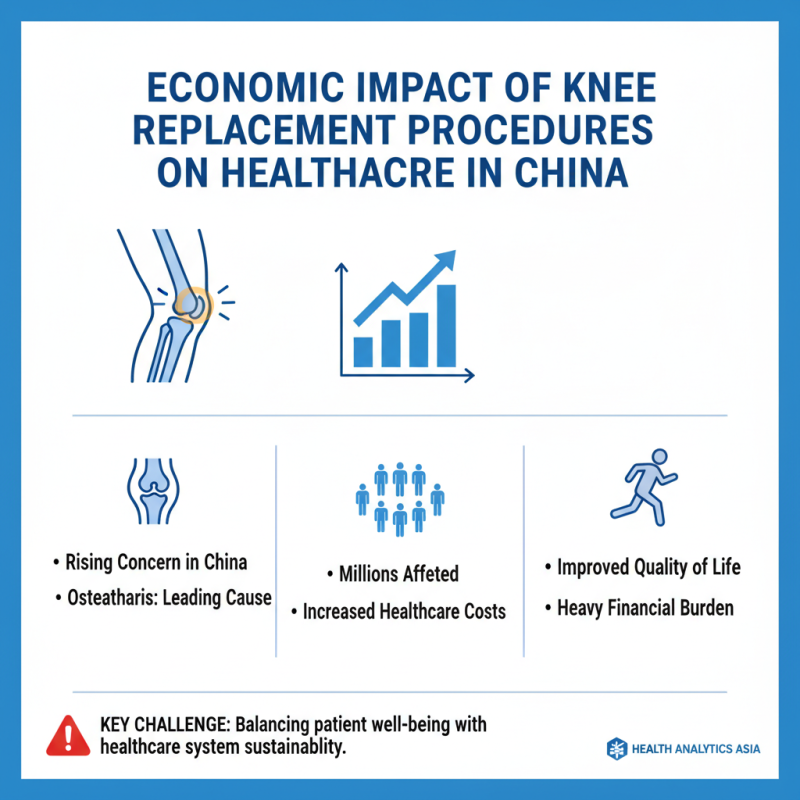
Knee replacement surgery is a rising concern in China. Osteoarthritis is one of the leading causes prompting these procedures. This condition affects millions, leading to increased healthcare costs. Knee replacements can drastically improve the quality of life, yet they also place a heavy financial burden on the healthcare system.
The economic impact of knee replacements is multifaceted. These surgeries are costly, often requiring extensive post-operative care. Hospitals must allocate significant resources to manage these procedures efficiently. Moreover, the cost to patients can be overwhelming, especially in less affluent areas. This creates a disparity in access to care, highlighting the need for a more balanced approach.
While knee replacement can relieve pain, we must consider the long-term costs. Are we addressing the underlying causes of osteoarthritis? Prevention and early intervention could reduce the need for surgeries. The focus should not solely be on surgery but also on education and alternative treatments. A comprehensive understanding of this issue is crucial for improving healthcare in China.
Post-Operative Recovery Statistics and Rehabilitation Outcomes
Knee replacement surgery due to osteoarthritis is becoming more common in China. Post-operative recovery and rehabilitation are crucial for successful outcomes. Studies indicate that patients often face challenges during recovery, which include managing pain and regaining mobility.
After surgery, most patients can expect initial discomfort. Medications can help alleviate this pain. However, some may experience swelling and reduced range of motion. A study shows that about 20% of patients report persistent discomfort after six months. This highlights the importance of setting realistic expectations during recovery.
Rehabilitation plays a significant role in enhancing mobility. Engaging in physical therapy is essential. Therapists often create personalized plans. These plans focus on strengthening and flexibility. Consistency is key. Aim for short sessions daily to avoid fatigue.
Tips: Start with gentle exercises. Walking can gradually improve mobility. Listen to your body and adjust as needed. Avoid pushing too hard too soon, as this can lead to setbacks. Remember, every recovery journey is unique. It’s okay to seek support from healthcare professionals.
Patient Satisfaction and Quality of Life After Knee Replacement Surgery
Knee replacement surgery is a common remedy for osteoarthritis in China. Many patients experience significant improvements in their quality of life post-surgery. Studies show that over 80% of patients report high satisfaction levels after the procedure. These results are promising but not universal. Some patients still face challenges that need to be addressed.
One important aspect is pain management. While many patients report reduced pain, some continue to experience discomfort or limited mobility. This highlights the importance of realistic expectations prior to surgery. It’s crucial for patients to communicate openly with their healthcare providers. They must openly discuss potential outcomes and recovery plans.
Another concern is rehabilitation. After surgery, a structured physical therapy program can enhance recovery. Yet, some patients struggle to stick with their rehabilitation routines. This can impact their overall satisfaction. Continuous support and motivation from healthcare professionals and family can make a significant difference in this journey. Understanding these nuances is essential for improving patient satisfaction and quality of life after knee replacement surgery.
Top 10 Facts About Knee Replacement Due to Osteoarthritis in China - Patient Satisfaction and Quality of Life After Knee Replacement Surgery
| Fact |
Statistic |
Implication |
| Prevalence of Osteoarthritis |
Over 40% |
High need for knee replacements |
| Surgery Success Rate |
90% |
Most patients experience significant improvement |
| Post-Operative Satisfaction Rate |
85% |
High levels of satisfaction reported by patients |
| Average Age of Patients |
65 years |
Common in older demographic |
| Reduction in Pain Post-Surgery |
70% reduction |
Significant pain relief experienced |
| Return to Daily Activities |
6 months average |
Quick recovery and resumption of normal life |
| Quality of Life Improvement |
50% increase |
Patients report improved life quality |
| Follow-Up Studies |
5 years |
Long-term positive outcomes noted |
| Complication Rate |
< 5% |
Low risk of complications noted |
| Longevity of Implants |
15-20 years |
Durable options available |